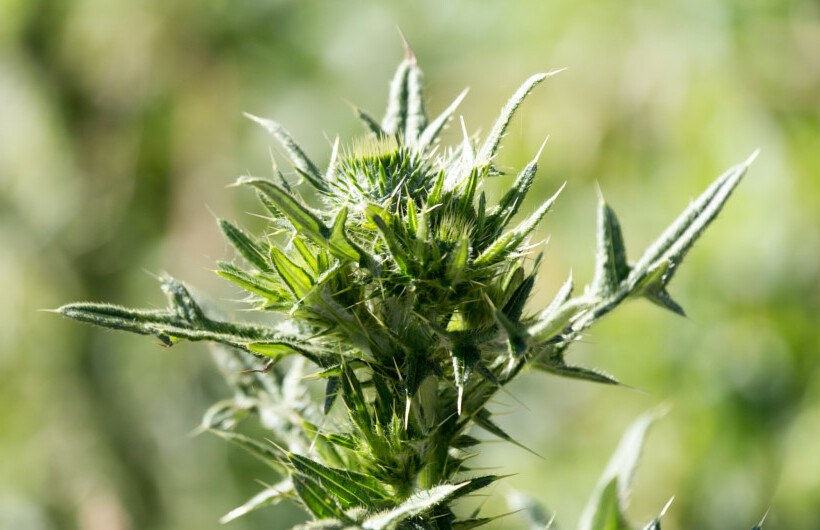

Hemp, CBD and THC: the basics
Before talking about legislation, it is important to master several pieces of information related to the subject :
What is the difference between hemp and cannabis ?
Let's not beat around the bush, there is no difference between cannabis and hemp :
- Hemp is cannabis
- Cannabis is hemp
It is neither more nor less than the same plant, however the name hemp, or industrial hemp, is preferentially used for cannabis used in industry, for example for the production of fiber, edible hemp oil, CBD oil, and hundreds of other existing uses. In France, the law authorizes the cultivation of selected varieties of Cannabis Sativa whose delta-9-THC content does not exceed 0.3% (order of 30 December 2021 amending the order of 22 August 1990). Cannabis, or should we say the cannabis plants, is a family grouping several sub-genera:
- Cannabis Sativa or industrial hemp which has a very high concentration of CBD (cannabidiol), and a negligible amount of THC (no more than 0.3% in the EU)
- Cannabis Indica, rich in THC, and low in CBD
- Cannabis Ruderalis, low in both CBD and THC
The two most widely used plant varieties are industrial hemp and Cannabis Indica. Only listed hemp varieties may be grown: in the European Union, hemp eligible for CAP aid must not exceed 0.3% THC (Regulation (EU) 2021/2115), and France applies the same 0.3% limit to plants and to the extracts made from them (order of 30 December 2021). Products such as CBD extracts must therefore come from these varieties and respect this THC limit in order to be sold. Foods containing CBD (oils to swallow, capsules, gummies, drinks) are not authorised in the EU as novel foods (Regulation (EU) 2015/2283) and may not be sold in France (Ministry of Agriculture, 20 May 2026).
The CBD
Cannabidiol, or CBD, is a cannabinoid in which the interest of scientists and the general public continues to grow. CBD is the cannabinoid with the highest concentration in industrial hemp and the second highest in recreational hemp. Since its discovery, CBD has been the subject of a large number of studies, a sign of the growing interest of the scientific world in this molecule. This research, often preclinical (on cells or animals) or carried out on small groups of people, is exploring possible effects of CBD, for example on anxiety or pain; to date, apart from one prescription medicine for certain rare forms of epilepsy (Epidyolex), the results do not allow any conclusion to be drawn. CBD is not a medicine: if you have a health problem or take medication, ask your doctor for advice before using any CBD product.
THC
THC, Δ9-tetrahydrocannabinol, is, like cannabidiol, a cannabinoid, found in large quantities in the flowers of the cannabis plant. This molecule has highly psychoactive effects, which alter many physiological and biochemical processes in the brain. These effects can alter perception and mood, but also change the state of consciousness of the consumer. Tetrahydrocannabinol binds to CB1 receptors in the human body. Some medicines contain THC, such as Sativex (nabiximols, a cannabis extract combining THC and CBD), and synthetic forms of THC also exist (dronabinol).
The legislation
Now that we know a little more about the subject, let's look at each case :
- The CBD
- Cannabis Indica
- Legal drug ?