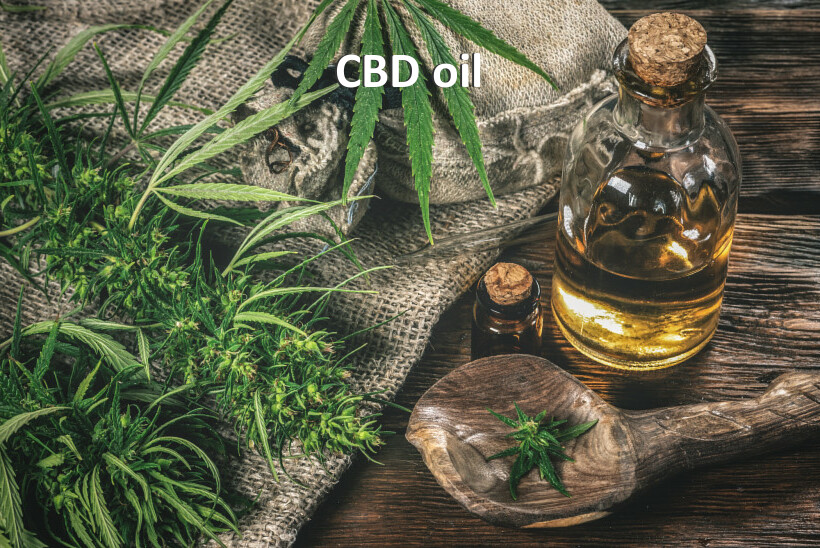
CBD is a bicyclic phytocannabinoid, extremely lipophilic, which is why it is usually conditioned with oil, in order to stabilize and better preserve it. Chemists have studied cannabis since the 19th century; cannabidiol was isolated for the first time in 1940, and its structure was established in 1963 by Raphael Mechoulam's team. Its chemical formula is C21H30O2.
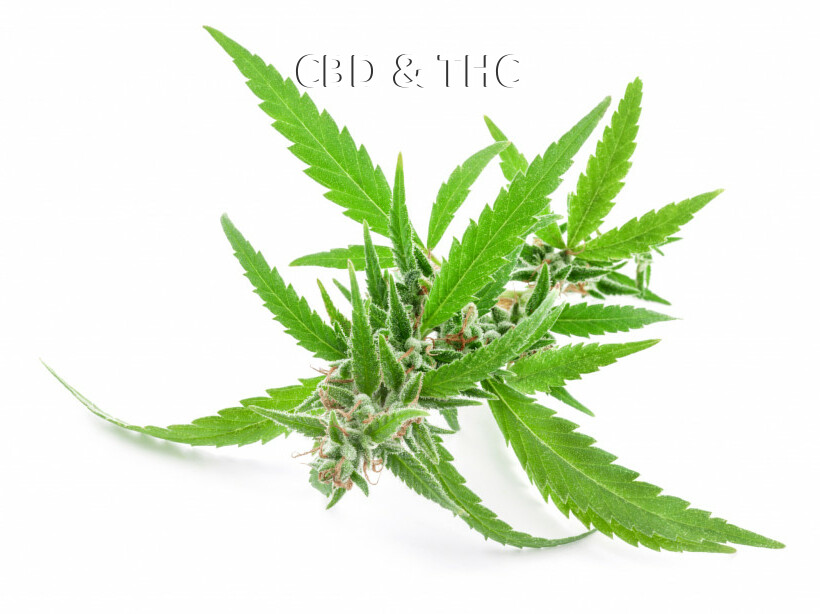
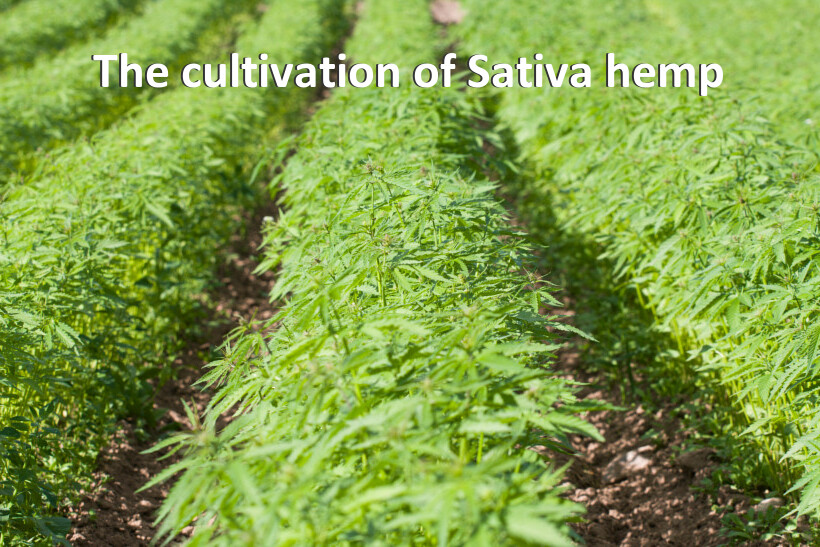
Cannabidiol is the cannabinoid, among more than a hundred, whose concentration is the highest in industrial hemp, and the second highest in so-called recreational hemp (containing a lot of THC producing psychotropic effects, banned in France). CBD, contrary to THC which has a molecular structure close to its own, does not produce intoxicating effects.
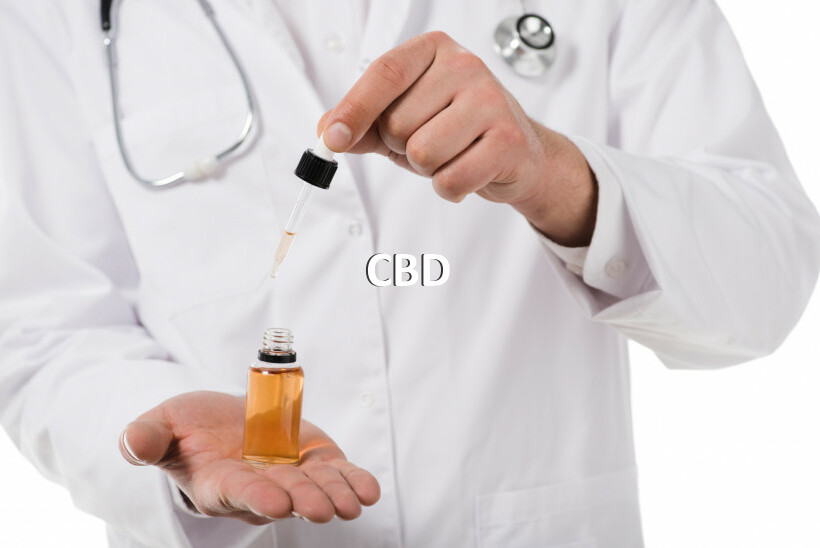
It has been the subject of special scientific attention in recent years, and research explores its possible effects in areas such as epilepsy, anxiety disorders, stress, psychoses, depression, sleep, inflammation or pain; most of these studies are preclinical or on small groups and do not allow any conclusion. CBD has been the subject of more than 9,000 publications indexed in PubMed (as of October 2026), over three quarters of which have been published since 2016. Cannabidiol is an active ingredient of prescription medicines such as Epidyolex (cannabidiol alone, for certain rare epilepsies) and Sativex (a combination of THC and CBD). CBD sold to the public, on the other hand, is not a medicine: for any health question, ask your doctor. In France, hemp flowers and leaves with less than 0.3% THC may be sold (Conseil d'Etat, 29 December 2022), and cosmetics such as balms are allowed; on the other hand, CBD is not authorised as a food in the European Union (Novel Food Regulation (EU) 2015/2283), and the advertising of vaping products is prohibited in France.