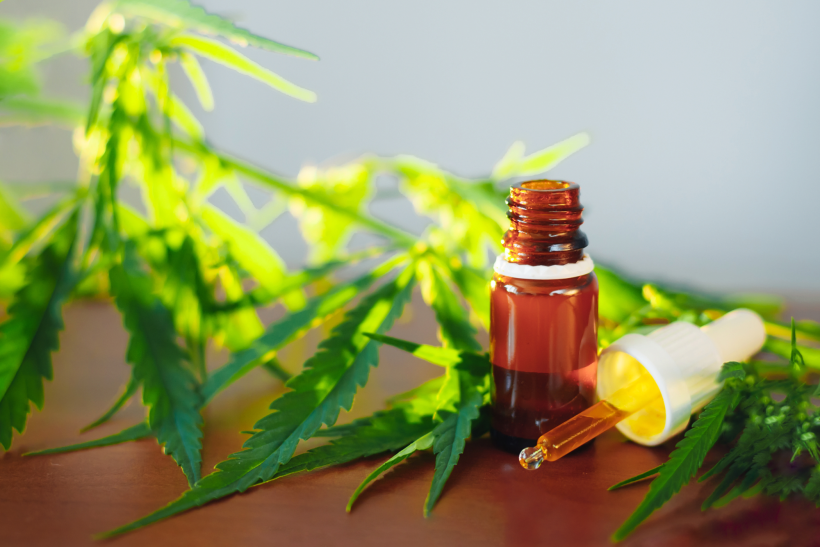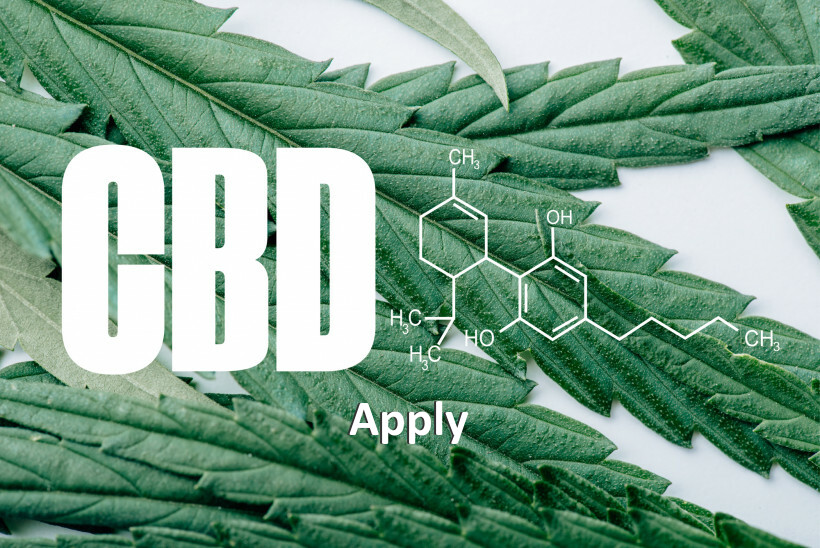
Since hemp-derived CBD became legal in the United States (2018 Farm Bill) and low-THC hemp products spread in Europe, cannabidiol has been the subject of much debate. Unlike THC, CBD does not have an intoxicating effect, and the World Health Organization (WHO) noted in 2018 that it shows no potential for abuse or dependence. This is why CBD is not classified as a narcotic in France. It is important to note that CBD is not a medicine and no medical claims can be made. The law specifies that no therapeutic virtue can be claimed by manufacturers or sellers of CBD products. Therefore, in our articles, we only share general information and the state of scientific research on the subject, without any promise of effect. CBD is not a medicine: for any health question, ask your doctor for advice.
Health
Cannabidiol is the subject of active research, and many scientists call for more studies before any conclusion. Studies, often preclinical (on cells or animals) or with small numbers of participants, explore its possible role in addiction, anxiety, inflammation, pain or nausea, and even in cancer research; their results do not allow any conclusion. Only one cannabidiol-based medicine (Epidyolex) is authorised, on prescription, for certain rare forms of epilepsy. CBD sold to the public is not a medicine and does not replace any treatment: ask your doctor for advice.
Food
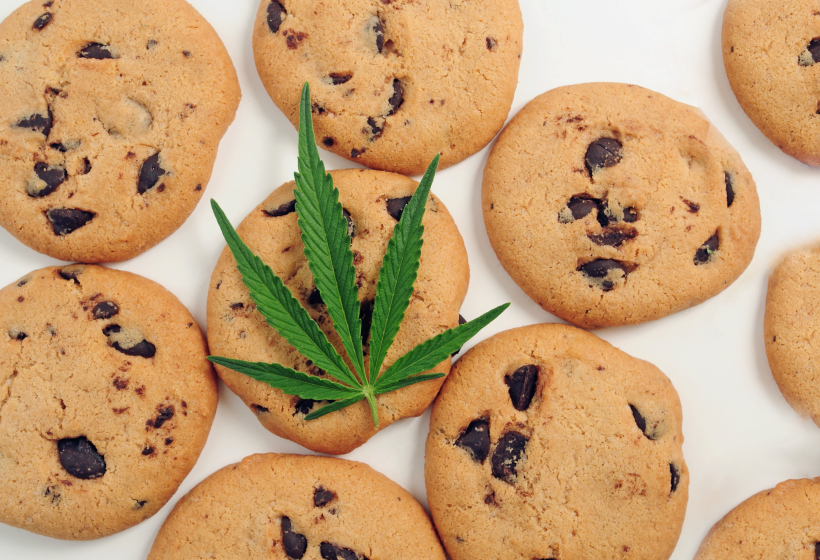
Hemp seed is a nutritious food, it has been used in the human diet for thousands of years. Its balanced and nutrient-rich composition has made it little by little a star of the healthy diet. Hemp seeds and hemp seed oil are permitted foods; CBD, on the other hand, is not authorised as a food in the European Union. The legal status of edible products is detailed in our page on CBD and food.
Mental
Some studies, often small, explore the links between CBD, stress and anxiety; their results are still preliminary and do not allow any conclusion. CBD is not a treatment for anxiety disorders: in case of persistent distress, talk to a doctor.
Well-being
CBD is often described by users as relaxing and does not have the intoxicating effect of THC. Research on mood, emotions, memory or concentration is still at an early stage and does not allow any conclusion; CBD is not used as a medicine for depression or anxiety.
Addictions
Studies on humans are still scarce: researchers explore the possible role of cannabidiol in dependence on nicotine, cocaine, opiates and alcohol, mostly in preclinical or small studies whose results do not allow any conclusion. Addiction care relies on doctors and specialised services.
Body care
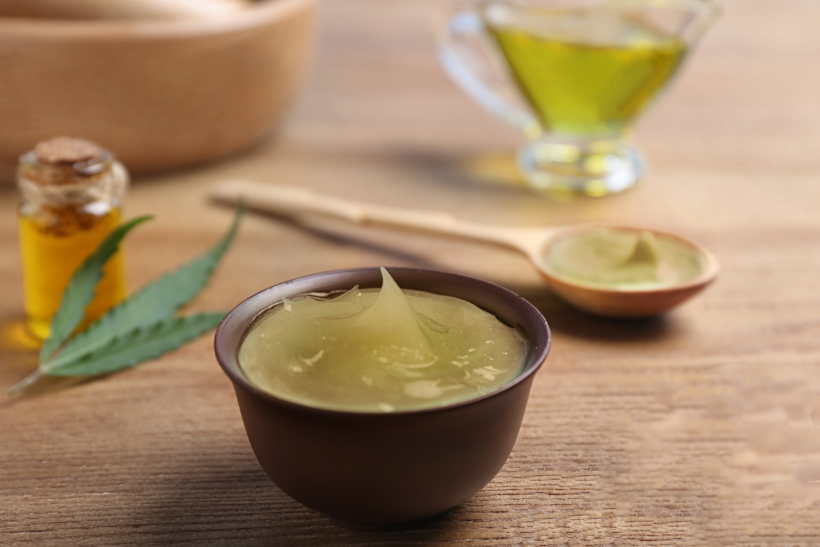
Hemp is increasingly popular with the cosmetics industry, and not by chance: its seed oil is rich in omega 3 and omega 6 essential fatty acids, vitamins (A, B1, B3, B6, E...) and minerals, which makes it a common ingredient in skin and hair care products.
Sport
CBD and sport: since the World Anti-Doping Agency (WADA) removed cannabidiol from its list of prohibited substances in 2018 (THC remains prohibited in competition), many athletes have taken an interest in it. Research on recovery and inflammation is still preliminary and does not allow any conclusion; CBD does not replace any medicine, and an athlete should talk to a sports doctor before any use.