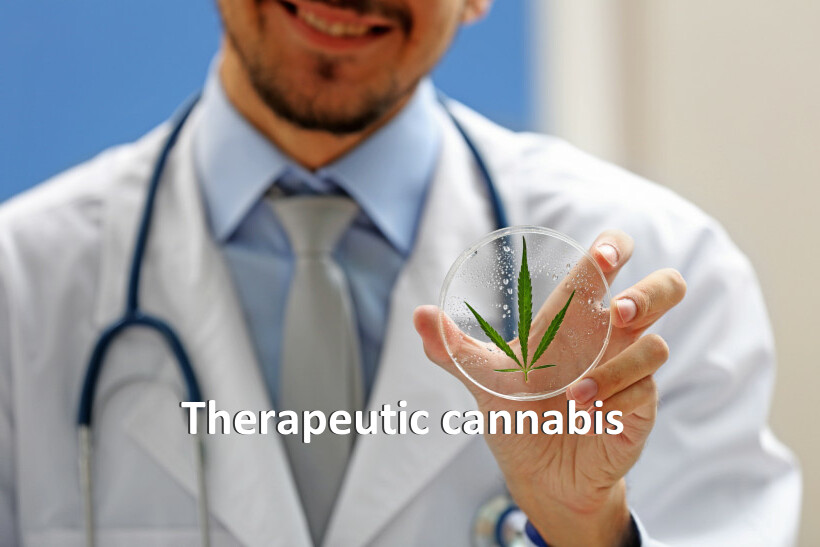
For several years, various research and scientific experiments have changed the popular view of the use of therapeutic cannabis, or medical cannabis. Intended for a strictly medical use, only some countries in Europe authorize it on medical prescription. In France, an experiment with medical cannabis began in March 2021 in more than 200 healthcare facilities, authorised by the Minister of Health of the time, Olivier Véran. In 2026, its generalisation is still awaiting its implementing decrees (see below).
A very brief history of therapeutic cannabis
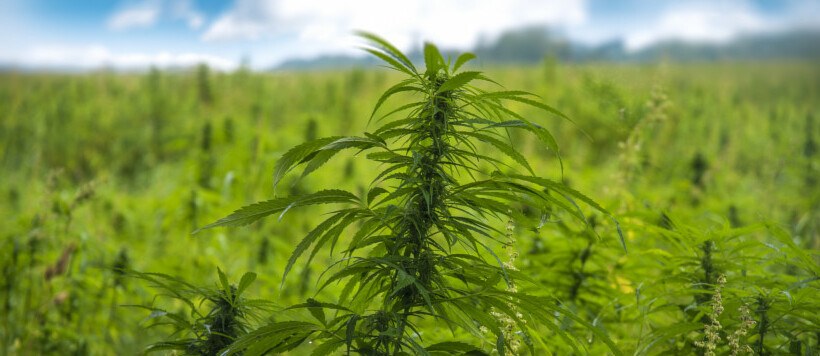
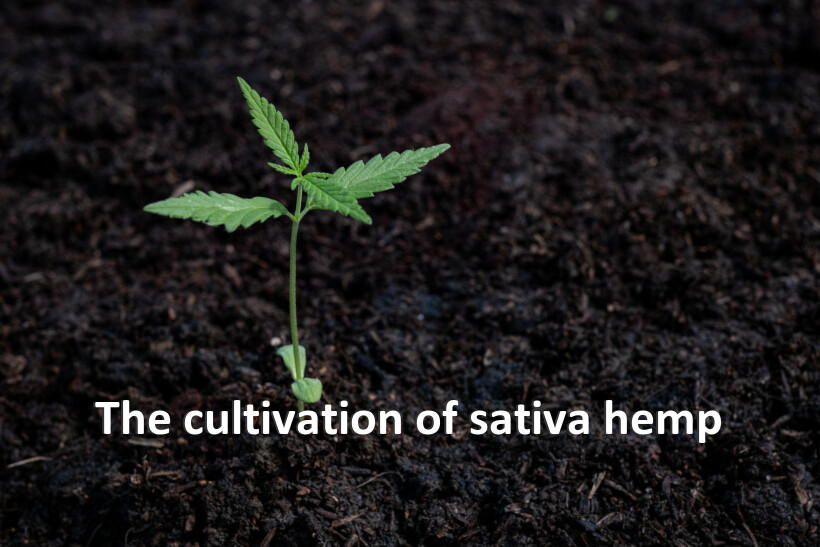
Cannabis, also called hemp, is considered to be one of the first plants domesticated by man, in the Neolithic period in Asia. The cultivation of cannabis then spread all over the world, accompanying migrations, wars and trade. The history of therapeutic cannabis itself goes back several thousand years, and medical texts from ancient Egypt may already mention it, an identification still debated by historians (Russo, Chemistry & Biodiversity, 2007). Cannabis appeared in the remedies of the time, and the Chinese and the Indians also used it in a medical context, incorporating it into traditional preparations. In the middle of the 20th century, the history of hemp underwent an unprecedented reversal, with the criminalisation of cannabis in the United States and then in the rest of the world. In the United States, the federal Controlled Substances Act of 1970 is still in force: it is the States that opened the way, California authorising medical cannabis in 1996, then Colorado and Washington legalising adult use in 2012, followed by many other States. Today, medical use is organised in many countries in a supervised way, on prescription.
Therapeutic cannabis in France
France began experimenting with medical cannabis in March 2021, initially for two years, for patients with serious conditions insufficiently relieved by available treatments (certain severe epilepsies, neuropathic pain, multiple sclerosis, cancer-related symptoms, palliative care). The medicines were dried flowers to be vaporised and oils, under the supervision of the French National Agency for the Safety of Medicines and Health Products (ANSM) and a temporary scientific committee. The experiment was extended, and no new patients have been included since 27 March 2024. The 2024 social security financing act (article 78) created a legal framework for cannabis-based medicines, but its implementing decrees had still not been published in September 2026: around 650 patients from the experiment continue to receive their treatment, covered until 31 December 2026 (written question no. 18176 to the National Assembly, Official Journal of 15 September 2026). Medical cannabis is only available on medical prescription.
Therapeutic cannabis in the world
Several European countries already allow medical cannabis on prescription, under conditions that vary from one country to another, such as Portugal, the United Kingdom, Denmark, Luxembourg, the Netherlands, Germany, Greece, Lithuania, Cyprus and, since October 2025, Spain. In Spain, Royal Decree 903/2025 of October 7, 2025 (Boletín Oficial del Estado of October 9, 2025, in force the following day) regulates compounded preparations made from standardized cannabis extracts registered with the Spanish Agency of Medicines and Medical Devices (AEMPS): they are prescribed by specialist physicians in hospitals, only when authorized medicines are not suitable, and dispensed by hospital pharmacies. In the rest of the world, the pioneering countries include Israel and Canada, followed by many others such as most States of the United States, Mexico, several South American countries and Australia. In Asia, Thailand authorised medical cannabis at the end of 2018, then, after a period of liberalisation, restricted it again in June 2025 to medical use on prescription only (Thai government, June 2025).
What is therapeutic (medical) cannabis ?
Medical cannabis is not supplied in the form of joints. In the French experiment, it took the form of oils and dried flowers to be vaporised, prescribed by trained doctors. The future framework provides for cannabis-based medicines authorised by the ANSM; whether they will be available, and in which forms, depends on texts that had not yet been published in September 2026.
What is THC ?
THC, Δ9-tetrahydrocannabinol, is a cannabinoid substance found in large quantities in cannabis flowers. THC has highly psychoactive effects, which alter certain biochemical and physiological processes in the brain. These effects can cause changes in perception, mood, and feelings, as well as alter the consumer's state of consciousness. Tetrahydrocannabinol binds to CB1 receptors in the body. In France, THC is classified as a narcotic: apart from authorised hemp products (no more than 0.3% THC) and authorised medicines, its production, sale and use are prohibited.
What is CBD ?
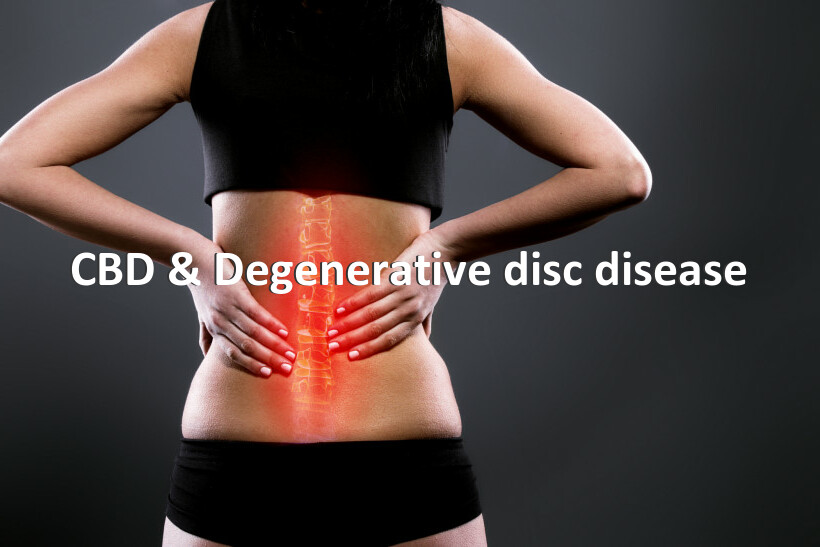
Cannabidiol, more commonly known as CBD, is a cannabinoid, like its cousin THC. It arouses a lot of interest among researchers. It is not psychoactive and is not considered a narcotic; its sale is permitted in France within the limits set by the regulations (no more than 0.3% THC, no CBD foods). CBD is the cannabinoid with the highest concentration in industrial hemp and the second highest in recreational hemp. Since its discovery in the early 1940s, CBD has been the subject of numerous studies, a sign of the growing interest of scientists in this substance. This work, often preclinical or carried out on small groups, is exploring possible effects on anxiety, pain or sleep; apart from one prescription medicine for certain rare forms of epilepsy (Epidyolex), the results do not allow any conclusion to be drawn. CBD is not a medicine: if you have a health problem or take medication, ask your doctor for advice before using any CBD product.