CBD in the European Union: the common rules
For cultivation, agricultural hemp must come from varieties whose THC content does not exceed 0.3%: this is the threshold set by the Common Agricultural Policy since January 1, 2023 (Regulation (EU) 2021/2115), up from 0.2% previously. Finished products remain subject to the rules of each country.
For food, CBD extracts are novel foods within the meaning of the Novel Food Regulation (EU) 2015/2283: they can only be sold as food after receiving EU authorization. As of October 2026, no CBD appears on the list of authorized novel foods, and the European Food Safety Authority (EFSA) is still assessing the applications. No health claim is authorized for CBD either (Regulation (EC) No 1924/2006): it is not a medicine.
Finally, the Court of Justice of the European Union ruled on November 19, 2020 (Kanavape ruling, case C-663/18) that CBD extracted from the whole hemp plant is not a narcotic within the meaning of the 1961 United Nations Single Convention. A member state therefore cannot ban the sale of CBD lawfully produced in another member state, unless the ban is necessary and proportionate to the protection of public health.
Very different national rules
Countries keep wide latitude: some allow the sale of hemp flowers, others subject them to tobacco rules or ban them; in Italy, the trade in hemp flowers has been banned since April 2025 (Decree-Law No. 48/2025, Article 18), a measure challenged before the Constitutional Court. For online purchases, our page buying CBD online details the precautions to take.
France
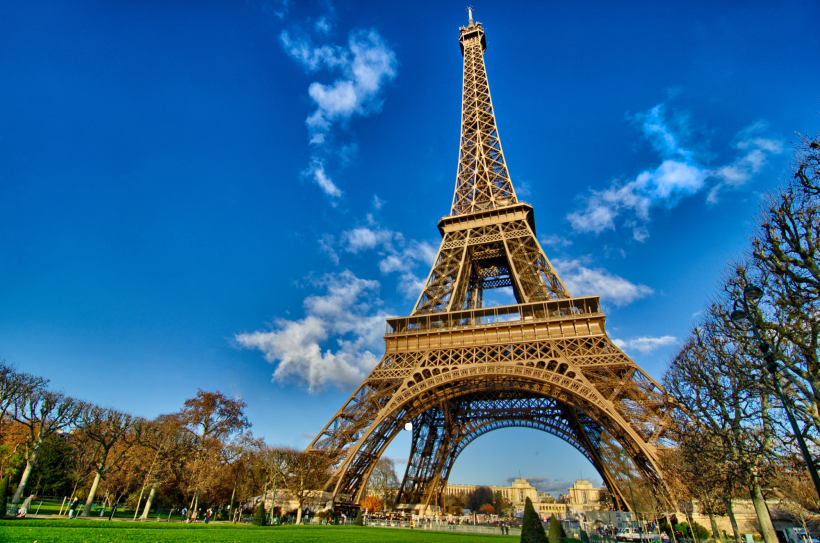
In France, hemp flowers and leaves with a THC content not exceeding 0.3% have been allowed for sale since decision No. 444887 of the Council of State (Conseil d'État) of December 29, 2022. Foodstuffs containing CBD remain illegal, as the Ministry of Agriculture reiterated on May 20, 2026, and semi-synthetic cannabinoids (HHC, H4-CBD, THCP) have been classified as narcotics since June 3, 2024. Details: CBD in France.
Belgium
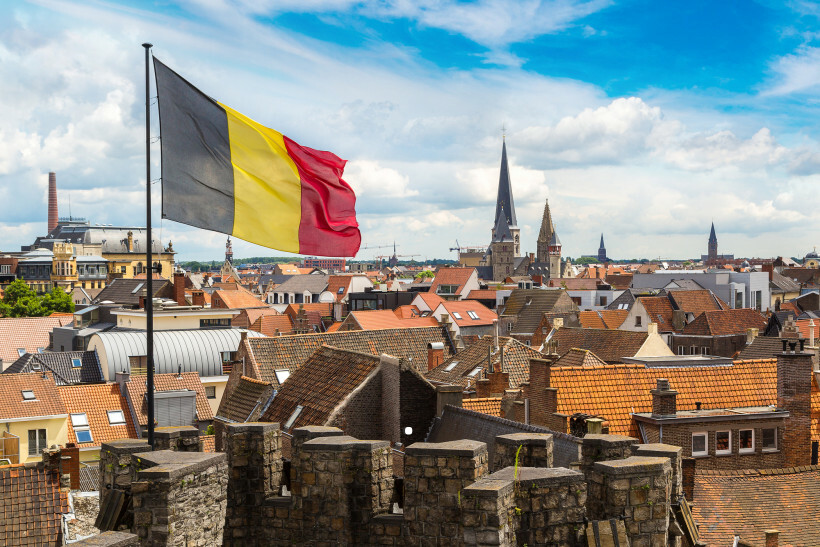
In Belgium, hemp-based smoking products fall under the rules for tobacco products: prior notification to the Federal Public Service (FPS) Public Health and excise duties. Since June 1, 2024, the THC limit applicable to hemp, flowering tops included, has been aligned with the European threshold of 0.3% (THC and THCA combined), up from 0.2% previously (Royal Decree of April 24, 2024). Details: which CBD to buy in Belgium.
Luxembourg
In Luxembourg, the Health Directorate (Direction de la santé) uses the 0.3% THC threshold to distinguish hemp from cannabis classified as a narcotic, and CBD products sold in stores must come from this hemp. Foodstuffs containing CBD are not authorized there. Since July 21, 2023 (law of July 10, 2023), adults may grow up to four cannabis plants per household for personal use, but there is no legal sale of high-THC cannabis. Details: which CBD to buy in Luxembourg.
Switzerland
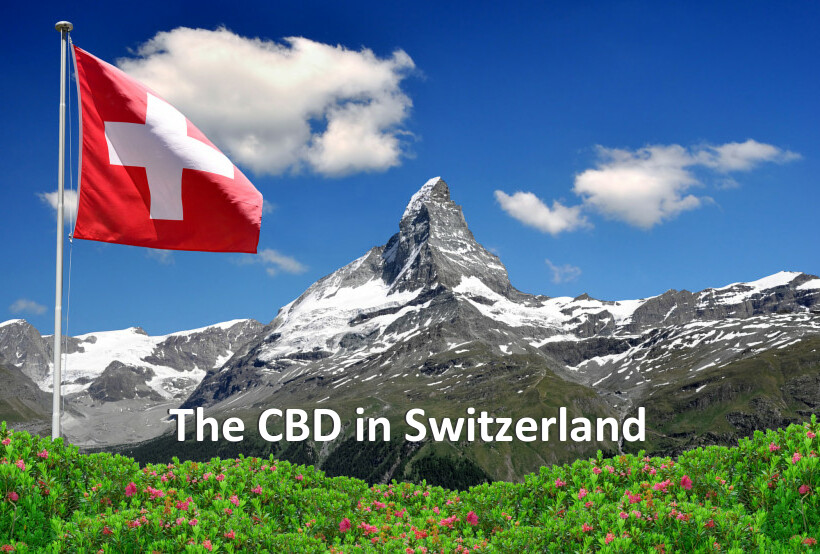
Switzerland, which is not a member of the European Union, applies its own limit: products containing less than 1% total THC do not fall under the Federal Narcotics Act. CBD flowers and cigarettes are taxed there as tobacco substitutes, CBD extracts intended for food must be authorized by the Federal Food Safety and Veterinary Office (FSVO), and no product may claim a therapeutic effect without authorization from Swissmedic. A preliminary draft law on cannabis products (LPCan) has not yet been adopted by Parliament. A product that is legal in Switzerland may not be legal in the European Union: be careful when crossing the border. Details: CBD in Switzerland.
When traveling with CBD by plane, the law of the destination country is what counts: its THC limit and its checks may differ from those of the country you leave.
These rules change often: if in doubt, check with the authorities of the country concerned before any purchase.