CBD and health
"And above all, good health!" This is THE little phrase that we hear at the beginning of each year. We've heard it so much that it doesn't even make sense anymore. But by the way, what is good health?
Are you in good health?
The World Health Organization (WHO) tells us that good health is "a state of complete physical, mental and social well-being and not merely the absence of disease or infirmity". Reading this definition, one quickly understands that it is more of a goal than a permanent state. There is genetics, of course, but there is also what our body goes through: our choices in terms of food, sleep, physical activity or sedentary lifestyle, the environment in which we live, calm or stressful, polluted or not, and of course the passing of time. All these factors put together sometimes make it difficult to "fit" the WHO definition. The number of people suffering from inflammatory diseases, overweight, obesity, depression, anxiety, fatigue, chronic pain, cancer or diabetes is constantly increasing. Often, people start to worry about their health when they feel tired, or when a little pain appears here and there. The first thing to do is to make an appointment with your doctor and follow their advice and treatment if they suggest one. Everyday habits (diet, sleep, physical activity, stress management) also play their part.
Cannabidiol (CBD) and the endocannabinoid system (ECS)
The endocannabinoid system (ECS) is described by many researchers as a regulatory system involved in many other systems of our body (nervous, immune, hormonal, etc.). It is thought to contribute to the proper functioning of these processes and to the body's balance (homeostasis). Some researchers put forward the hypothesis that a lack of endocannabinoids could play a role in certain diseases; this hypothesis is still debated. Cannabinoids from hemp, especially cannabidiol (CBD), interact with this system in ways that are still being studied.
CBD, a molecule under study
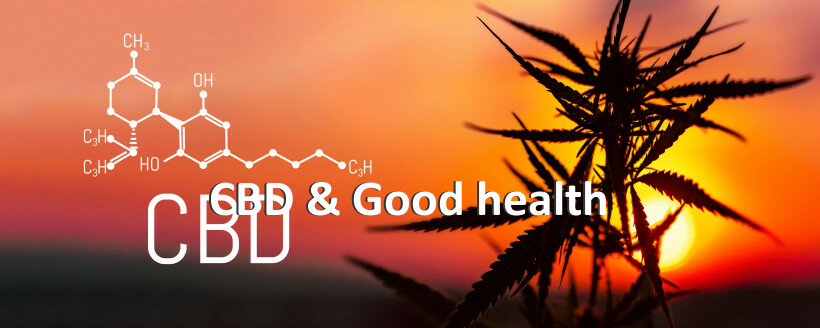
Hemp (Cannabis Sativa) is a remarkable plant, from which a much-studied molecule is extracted: cannabidiol (CBD). Cannabidiol belongs to the family of cannabinoids, and it is the cannabinoid with the highest concentration in industrial hemp (Cannabis Sativa). It is found in the upper third of the plant. Contrary to its cousin THC (recreational cannabis), it has no intoxicating effect, and it is not a narcotic in France. CBD is the subject of much research today, mostly preclinical (on cells or animals) or with small numbers of participants. These studies explore its possible role in areas such as:
- The regulation of appetite, and weight loss
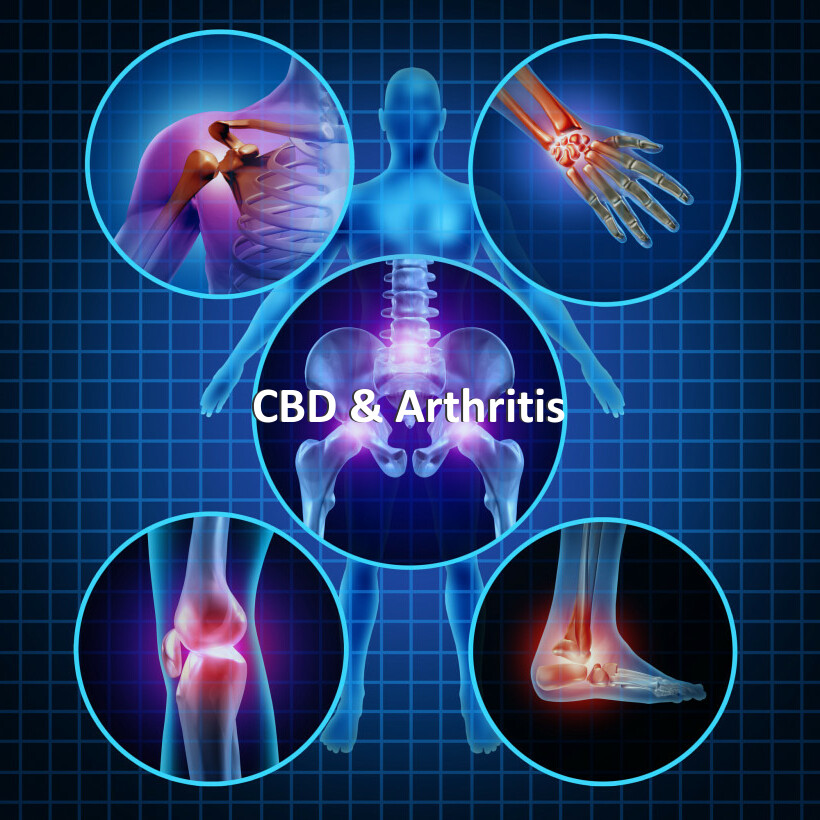
- Inflammatory diseases
- Diabetes
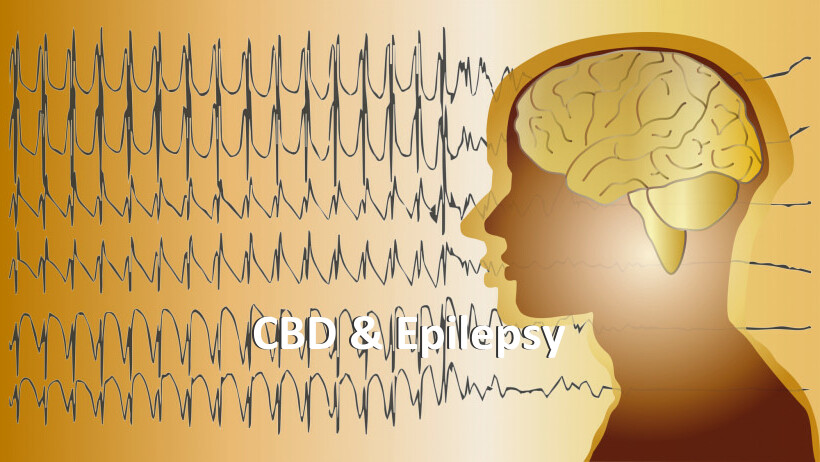
- Epilepsy
- Depression and anxiety
- Nausea and vomiting
- Neuronal degeneration
- Cancer
- Addictions
- etc.
For most of these topics, the results do not allow any conclusion, and only one cannabidiol-based medicine (Epidyolex) is authorised, on prescription, for certain rare epilepsies. CBD sold to the public is not a medicine and does not replace any treatment: ask your doctor for advice. Our articles present the state of research on each of these topics.