
Cannabis and hemp, what is the difference?
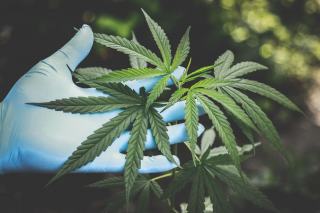
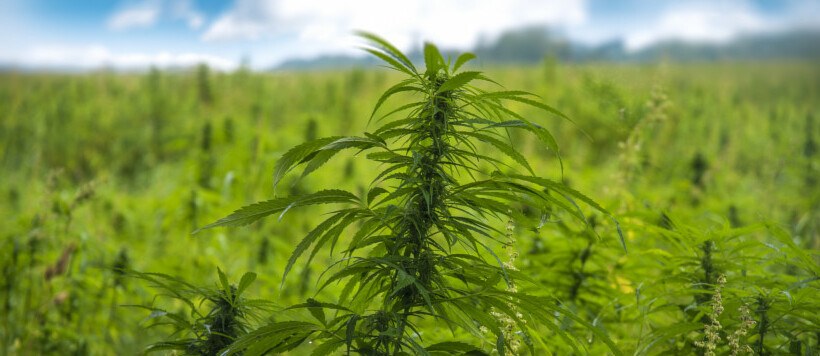
None, there is no difference between cannabis and hemp, it is exactly the same plant. Cannabis is a botanical genus with 3 subspecies:
- Cannabis Sativa also called industrial hemp rich in CBD, very low in THC (less than 0.3% according to the law)
- Cannabis Indica, low in CBD, and very high in THC
- Cannabis Ruderalis, low in CBD and THC
It is thus from Cannabis Sativa or industrial hemp that CBD (cannabidiol) is extracted. This beautiful plant, which measures up to 6 meters in height, contains a large number of molecules, called cannabinoids, and among them is the cannabinoid that interests us, the famous cannabidiol or CBD. But before talking about it, let's linger for a moment on another cannabinoid no less famous, the famous THC. The tetrahydrocannabinol, or THC is a cannabinoid well known to the general public, as well as to the legislator, because its consumption causes many side effects on the nervous system, called psychotropic effects, which is why its consumption and marketing are prohibited in many countries. CBD (cannabidiol), on the other hand, does not cause intoxicating effects and is not a narcotic in France: hemp flowers and leaves with less than 0.3% THC may be sold (Conseil d'Etat, 29 December 2022), but CBD is not authorised as a food in the European Union.
What research on CBD explores
Many studies explore the possible effects of CBD, but most are preclinical (on cells or animals) or on small groups, and their results do not allow any conclusion. Only one cannabidiol-based medicine (Epidyolex) is authorised, on prescription, for certain rare epilepsies.
- Anxiety and stress: some small studies explore a possible anxiolytic effect of CBD; results are preliminary, and side effects such as drowsiness are reported.
- Pain: researchers are studying the possible effects of cannabidiol (CBD) on pain, mostly in animals; current data do not allow any conclusion. Never reduce or stop a medication on your own.
- Sleep: animal studies have observed changes in sleep with CBD; this has not been shown in humans.
- Epilepsy: a prescription medicine based on cannabidiol is authorised for certain rare epilepsies (Dravet syndrome, Lennox-Gastaut syndrome, tuberous sclerosis complex), under medical supervision; CBD sold to the public is not an anti-epileptic treatment.
- Parkinson's disease: small studies have explored the quality of life of patients receiving CBD in a research setting; they do not allow any conclusion.
- Mood: studies on mice have reported antidepressant-like effects of CBD; animal results cannot be transposed to humans.
- Schizophrenia: a few clinical trials have explored cannabidiol (CBD) in addition to usual treatment, with mixed results.
- Nausea and vomiting: research on cannabinoids during chemotherapy concerns mainly prescription medicines, often containing THC, and not CBD sold to the public.
As we have seen, research on CBD covers many topics, but it does not allow any health promise. CBD is not a medicine and does not replace any treatment: ask your doctor for advice. You will find in the Applications section the state of research on many other topics.
Precautions to know
In the European Union, CBD oils to be swallowed or put under the tongue are novel foods that have not been authorised, so they cannot be sold as food in France, and we do not give any dosage. CBD may cause side effects (drowsiness, digestive troubles, changes in liver enzymes at high doses) and interact with medicines; it is not recommended for pregnant or breastfeeding women, and residual THC may lead to a positive roadside drug test. For any question, ask your doctor or pharmacist.