What this article covers
What is cannabis?
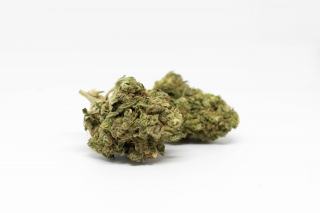
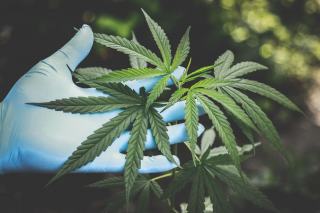
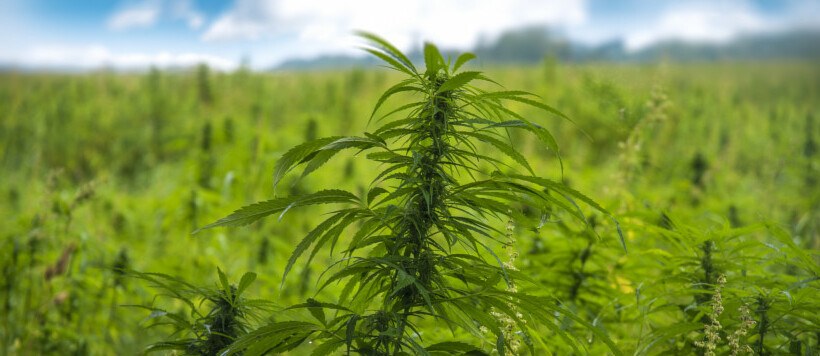
Even if it is abusively associated with cannabis resin rich in THC, consumed for its euphoric effects, cannabis, also called hemp, is above all a botanical genus that groups together 3 varieties:
- Cannabis Sativa or industrial hemp which has a very high concentration of CBD (cannabidiol), and a negligible amount of THC (no more than 0.3%)
- Cannabis Indica, rich in THC, and low in CBD
- Cannabis Ruderalis, low in both CBD and THC
The two most widely used plant varieties are industrial hemp, and Cannabis Indica. Only the culture of industrial hemp varieties listed in the EU common catalogue is authorized, the THC content having not to exceed 0.3% according to the regulation in force in the EU (since 1 January 2023) and in France.
Short history of the discovery of cannabinoids
CBD and THC are both substances from Cannabis plants, they are called cannabinoids. These substances can act on receptors found in various parts of the body, such as the nervous system and the immune system. CBD (cannabidiol) was isolated in 1940; it would be almost 25 years before the THC molecule was identified, in 1964. It is notably to Dr Raphael Mechoulam, a pioneer of cannabis research, that we owe many of the great discoveries in this field. His team also discovered anandamide, the first known endocannabinoid, which helped reveal the endocannabinoid system (ECS), involved in the regulation of the body of humans and other mammals. Since the discovery of CBD and THC, more than a hundred cannabinoids have been discovered in the different varieties of cannabis.
CBD
CBD or cannabidiol is a cannabinoid that is attracting a lot of interest because of its possible effects. It also has the advantage of not being psychoactive. CBD is the cannabinoid with the highest concentration in industrial hemp and the second highest in recreational cannabis. Since the year of its discovery, cannabidiol has been the subject of numerous studies, more than 9,000 publications indexed in PubMed (as of October 2026), over three quarters of them since 2016. This shows the growing interest of the scientific world for this substance. These researches, often preclinical or on small groups, explore possible anxiolytic, analgesic or antioxidant effects; their results do not allow any conclusion. CBD is not a medicine: for any health problem, ask a doctor for advice. We all have an endocannabinoid system (ECS), which explains the interest of researchers.
THC
THC, Δ-9-tetrahydrocannabinol, is like CBD a cannabinoid, found in large quantities in the flowers of the plant. This molecule has strong psychoactive effects, which modify certain biochemical and physiological processes in the brain. These effects will cause a modification of the perception, the mood, the feelings, but also modify the state of conscience of the consumer. Tetrahydrocannabinol binds to the CB1 receptors in the human body and medicines have been developed from THC, such as Sativex, a cannabis extract, or dronabinol, a synthetic form of THC.
CBD and THC, the differences
It is important not to confuse these 2 molecules, the CBD and the THC having a very different effect. In France, THC is classified as a narcotic because of its psychotropic effect: its sale is prohibited and its use is punished. CBD is not a narcotic: hemp flowers and leaves containing no more than 0.3% THC can be sold (Conseil d'Etat, 29 December 2022, n° 444887), but CBD foods are not authorised in the EU. Another frequent confusion is explained in our page on hemp oil and CBD oil.
CBD is not psychotropic and, unlike THC, does not make you "high":
- CBD is studied for a possible anxiolytic effect, while THC can have the opposite effect depending on the dose consumed
- CBD is studied for possible antipsychotic properties, while THC can promote the occurrence of delusional states.
- Anti-inflammatory properties have been observed for both in preclinical studies, but only CBD is not psychoactive.
As we have seen the differences between CBD and THC are numerous, and if there was only one to remember, it is that THC is a narcotic in France, while CBD is not.
Can CBD oil be taken under the tongue?
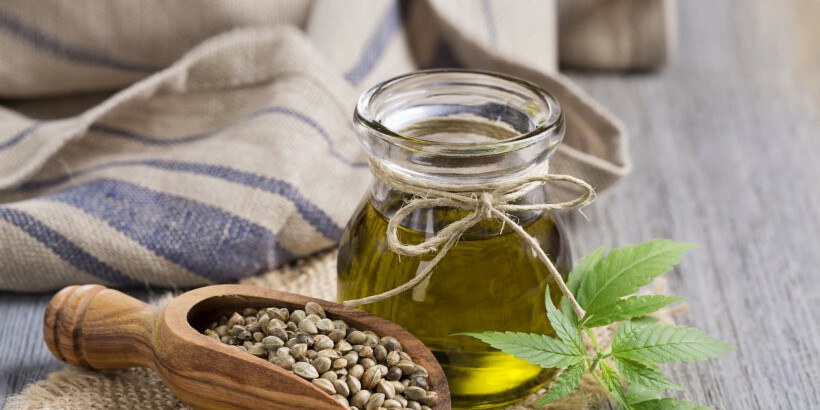
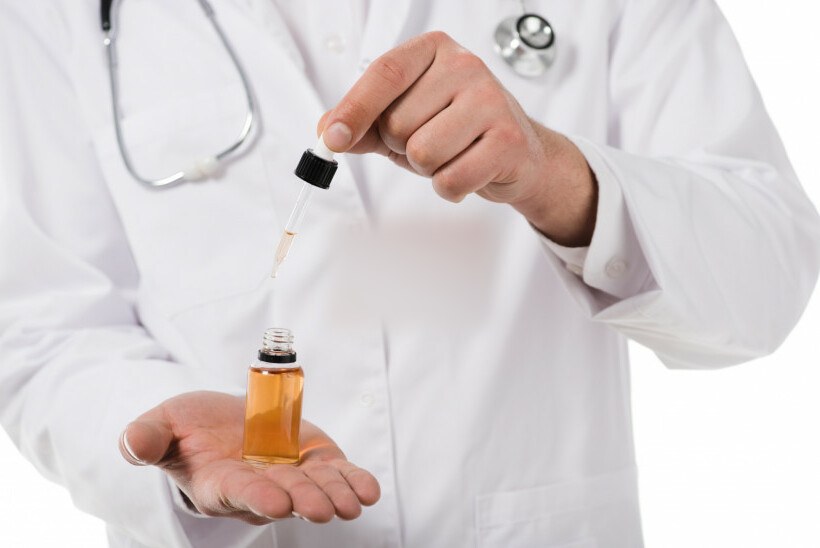
No: in France and the EU, CBD oils to be swallowed or placed under the tongue are considered as foods, which are not authorised under the Novel Food Regulation (EU) 2015/2283; on 20 May 2026, the French Ministry of Agriculture recalled that they must be withdrawn from the market. CBD oils can only be sold for other uses, such as cosmetics for external application. Also note that CBD products may contain traces of THC, which can be detected by a roadside drug test.