
What this article covers
Osteoarthritis in horses and CBD
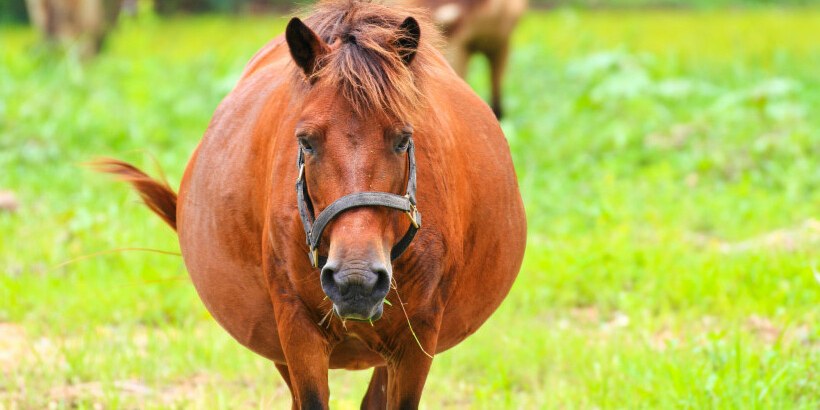
Like humans, horses can also suffer from osteoarthritis. Contrary to what one might think, even young horses or horses in the prime of their lives can suffer from this disease. Osteoarthritis makes the horse's joint movements painful and can cause it to limp. Let's see together how to recognize the symptoms of osteoarthritis in horses, and what research says about CBD.
What is osteoarthritis?
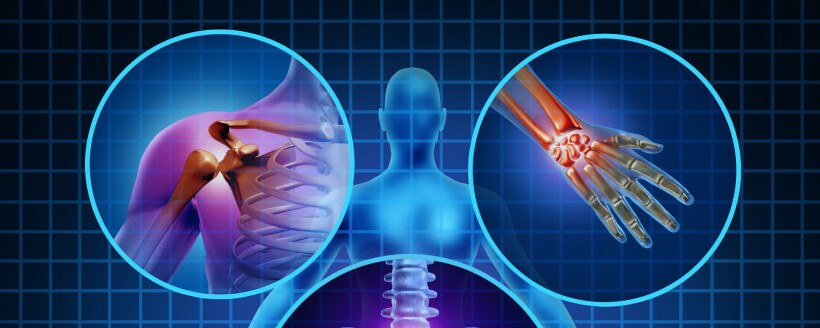
Osteoarthritis is a disease of the cartilage that makes joint movements painful. It can affect one or several joints. The cartilage has 2 functions, it is a flexible and smooth tissue which will allow to reduce the friction between two bones of a joint, but also to absorb the pressures which it can undergo. In horses, as in humans, osteoarthritis is characterized by wear and tear of this cartilage. Generally, the wear is slow and very gradual, and the thickness of the cartilage is gradually reduced. This reduction means that it can no longer play its role as a shock absorber correctly, which will increase its wear even further. Osteoarthritis is classified into two categories:
- Primary osteoarthritis, which is a natural wear and tear resulting from aging
- Secondary osteoarthritis will appear when the cartilage of the joint has suffered an injury or a disease.
Symptoms
To know if your horse is suffering from the beginning of osteoarthritis, it is important to watch for changes in his behavior. When a joint is painful, even a little, the horse may limp, and sometimes refuse to run or jump. It will also be possible to observe that at rest, he will avoid resting on the painful joint. As the disease progresses, the joint may become partially or completely blocked.
Diagnosis
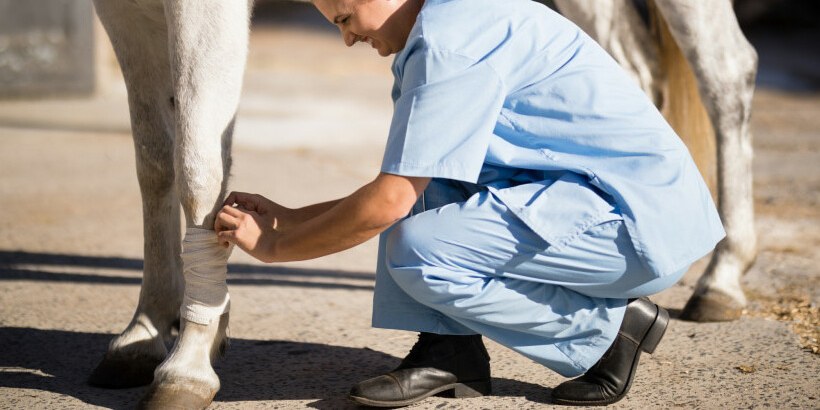
If you have a suspicion, an appointment with the veterinarian is always the best thing to do. The veterinarian will thoroughly examine all the joints of the horse. His diagnosis will also be based on X-rays which will confirm or not the diagnosis.
Treatment
Osteoarthritis is a disease that cannot be cured, but its symptoms can be reduced. The veterinarian will be able to prescribe painkillers and anti-inflammatories. Long rides should be avoided for the sick horse, but it will be necessary to maintain a sufficient physical activity so that the animal does not lose muscle mass. In the most severe cases, surgery may be considered depending on the health of the horse and the affected joint.
CBD and osteoarthritis in horses
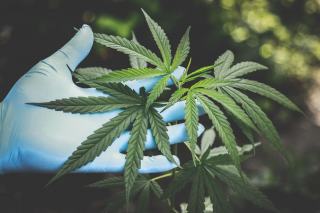
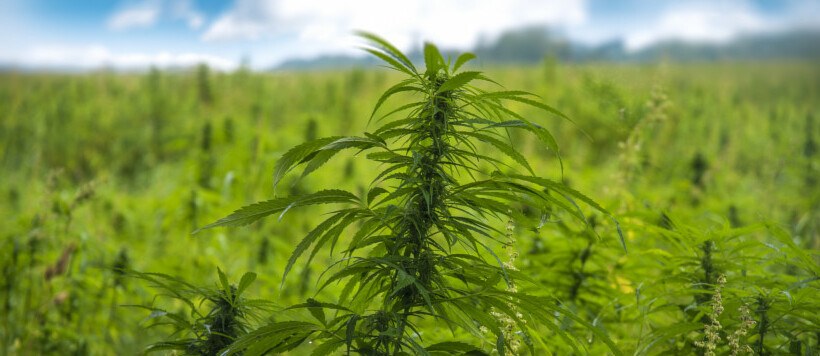
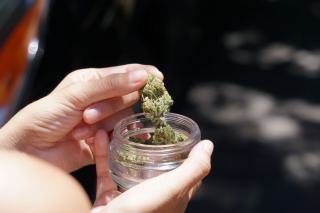
Horses, like us, have an endocannabinoid system, which explains the interest of researchers in cannabidiol (CBD). CBD is a molecule obtained from industrial hemp (Cannabis Sativa) whose possible effects are being studied in humans and animals, without any conclusion to date. Cannabidiol (CBD) is a member of the cannabinoid family, just like THC. THC is the psychotropic substance that is most commonly found in Cannabis Indica. When we speak about cannabis, it is necessary to understand that cannabis is in fact a family of several plants:
- Cannabis Sativa (industrial hemp) rich in CBD, very low in THC (less than 0.3% according to the law)
- Cannabis Indica, low in CBD, and very high in THC
- Cannabis Ruderalis, low in CBD and THC
CBD, unlike THC, is not psychotropic and is not classified as a narcotic in France. Several preclinical studies have observed anti-inflammatory effects of CBD. (MECHA et al. 2013, KOZELA et al. 2013, Li et al. 2013) A possible effect on pain is also being studied. (Lu et al. 2015, GENNARO et al. 2017) These results do not allow any conclusion for horses. CBD is not a veterinary medicine: never give it to your horse without the advice of your veterinarian, who will choose the treatment of his osteoarthritis.