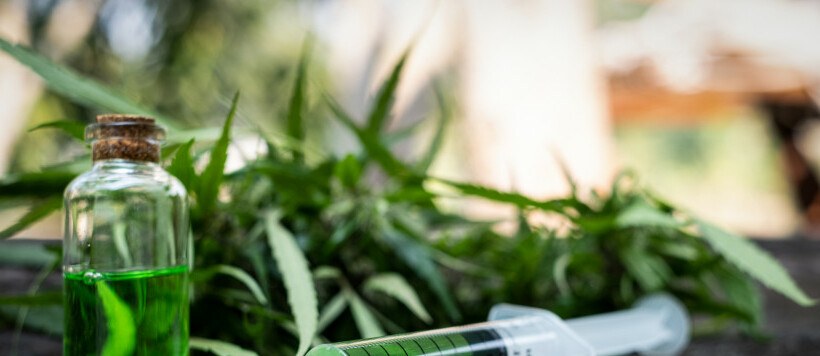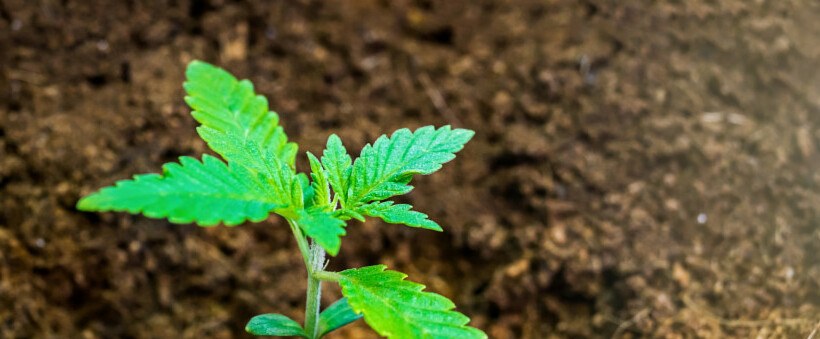

Smoke without fire?
As the CBD market developed, cannabidiol appeared in many forms (oils, gums, balms, e-liquids), not all of which are allowed in France. The vaping sector followed this trend, and many CBD e-liquids appeared.
What is CBD?
CBD (cannabidiol) is a molecule from hemp (Cannabis Sativa). It is part of the (numerous) family of cannabinoids, just like the famous THC (tetrahydrocannabinol). Unlike THC, CBD has no intoxicating effect and is not a narcotic in France. Although it was discovered in the forties, it is only from the 90s, then more intensely from the 2000s that the scientific community became interested in its possible properties. This new interest is partly due to the discovery in humans, and mammals in general, of the endocannabinoid system.
What is a vape, or electronic cigarette?
The electronic cigarette, or e-cigarette (or vape, vapoteuse, pen, etc..), is an electronic device producing steam from a liquid heated gently. The steam produced by the device is inhaled by the user, in the same way as the smoke of a conventional tobacco cigarette. Since its arrival in France in the early 2010s, the vape has experienced a great evolution both from a technological point of view, as the variety of liquid product available to the consumer.
How does an electronic cigarette work?
There are many models of electronic cigarette, but the operation remains essentially the same for each of them. The electronic cigarette does not work by combustion, like a traditional tobacco cigarette, but it produces vapor. So you don't smoke an e-cigarette: you vape it. The vapor is produced by heating a liquid. A wick of silica fiber or cotton is in contact with the liquid that contains propylene glycol, flavors, glycerin, and sometimes nicotine. When the device is on, the resistance will heat the wick and the liquid, and steam will be released. At the same time, the vaper inhales this vapour through the mouth.

What is in the liquids?
Commercially available liquids contain several ingredients necessary to produce vapor and build flavor:
- Propylene glycol is a chemical used to promote the production of steam in varying proportions. Propylene glycol has been used for many years in various industries, including the food industry, where it serves as an emulsifier. It is also found in the pharmaceutical industry, aeronautics, or the breeding of ruminants. Its function in the liquid is to cause a sensation of vapor density when inhaled, similar to that of tobacco smoke.
- Vegetable glycerin is very present in everyday products, such as soap, creams, or toothpaste. Like propylene glycol, glycerin is also used as an emulsifier in the food industry. Its role in the liquid is to facilitate the vaporization. It also gives the mixture more consistency.
- Flavors can be of natural or artificial origin, which can have a strong influence on the final taste of the product. Natural flavors tend to be more subtle than artificial flavors, which will be more intense in the mouth. Artificial flavors have the advantage of being more stable over time.
- Nicotine is not always present in liquids. When it is, its content is shown on the label and limited to 20 mg/ml in the European Union (Directive 2014/40/EU). Nicotine is addictive.
These are the basic ingredients of an e-liquid; other additives may be present, so the composition shown on the label should be read carefully. Inhaling heated substances is not without risk, and the long-term effects of vaping are still being studied.
E-liquid and CBD
As CBD (cannabidiol) became more popular, e-liquid manufacturers developed liquids containing it, in variable amounts. In France, CBD e-liquids are vaping products: their advertising and propaganda are prohibited (article L3513-4 of the Public Health Code), and this page is for information only. The amount of CBD actually inhaled is difficult to quantify, and side effects such as drowsiness are reported.
CBD and cannabis: a reminder
As we saw earlier in this article, CBD is a substance found in industrial hemp (Cannabis Sativa). CBD is therefore a product of cannabis. The mention of the word cannabis, immediately brings us back to the psychotropic effects of THC, it is then important to understand that cannabis is in fact a family of plants:
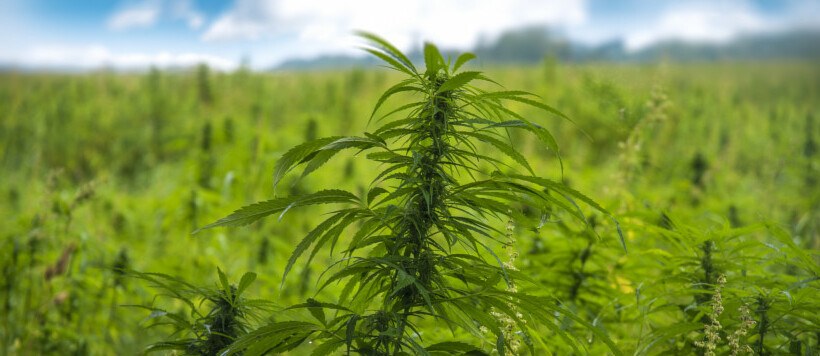
- Cannabis Sativa, or industrial hemp : It is from this variety of cannabis very rich in CBD that cannabidiol products are made, but also products using other parts of the plant (insulation, edible oil, cosmetics, etc.). Cannabis Sativa is very low in THC, containing less than 0.3%, which is the legal limit.
- Cannabis Indica : It is from this plant that the recreational cannabis (marijuana), illegal in France is produced. It is very rich in THC, contains a variable quantity of CBD.
- Cannabis Ruderalis : This variety is poor in THC and CBD. It does not know a particular use to date.
Each of these groups includes many varieties. Some hemp flowers are sold under the names of well-known cannabis strains, which says nothing about their THC content: only a laboratory analysis does.
What is the difference between THC and CBD?
THC is one of the most famous cannabinoids. It produces psychotropic effects on several organs and body functions. It can cause euphoria, anxiety, loss of memory, or circulatory disorders. The effects of THC generally appear a few minutes after its consumption, and can last from 2 to 3 hours. The effects of THC can vary in intensity from one person to another, depending on the amount used. The WHO (World Health Organization) warns about the risks of "bad trips" and psychosis that can be caused by THC.
CBD (cannabidiol), on the other hand, has no intoxicating effects. Studies on CBD, mostly preclinical or on small groups, explore possible properties such as:
- Anxiolytic and calming
- Neuro-protective
- Analgesic
- Anti-inflammatory
- etc.
These results do not allow any conclusion, and CBD is not a medicine: for any health question, ask your doctor.
What are the other forms of CBD?
There are other products with CBD, but not all of them are allowed in France:
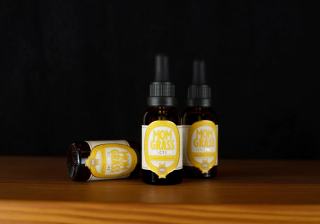
- CBD oil: CBD is not authorised as a food in the European Union (Novel Food Regulation (EU) 2015/2283), so CBD oils to be swallowed cannot be sold as food in France.
- CBD gummies: like other foods containing CBD, gummies cannot be sold in France, as the Ministry of Agriculture recalled in May 2026.
- The flowers of CBD: hemp flowers and leaves with less than 0.3% THC may be sold in France (Conseil d'Etat, 29 December 2022). The authorized THC level varies from one country to another. Smoking any plant exposes you to the harmful products of combustion, and residual THC may lead to a positive roadside drug test.
Whatever the form, CBD is not a medicine and is not a smoking cessation aid. This page is for information only: for any health question, ask your doctor or pharmacist.