
Crack!
Ouch! Whether it's a road accident, illness, fall, fight, or games, the opportunities to break a bone are numerous for our cat friends. We will discover together the main causes of fractures in felines, how they are treated, and what research says about CBD (cannabidiol).
What is a fracture in cats?
A fracture is a partial or total breakage of a bone. It can even happen that a bone is broken in several places. This breakage can be due to multiple reasons, such as a fall, a shock, fatigue fracture, osteoporosis, etc. The injury may be closed, or open (with tearing of the cat's skin), the bone may even have shifted, with fragments, or not. There is a fracture specific to kittens and young cats: the greenstick fracture. In these small patients, the skeleton is not yet as strong as in an adult cat. It is therefore rather soft, and breaks like a branch of green wood. Thus, the bone of the kitten or young cat will not break, but it will bend more with bone tears.
Diagnosis
If you think your cat has broken a bone, go to your veterinarian as a matter of urgency. He will ask you all the necessary questions (circumstances, time of injury, location of pain, etc.), and will proceed with a clinical examination of your animal. After the examination, an X-ray will confirm the diagnosis, pinpoint the exact location of the bone injury, and possibly gather other important information (is the bone broken in several places, are other bones affected?).
Treatment
Once the nature of the injury is well established, the veterinarian will return the fractured bone to its normal anatomical position, manually or surgically. Then the injured part will be immobilized so that the cat's bone can heal and regain its strength. Analgesics may be given to reduce pain. Once the bone is well consolidated, a period of rehabilitation (physical therapy for cats) will allow the cat to regain proper mobility.
CBD and bone healing
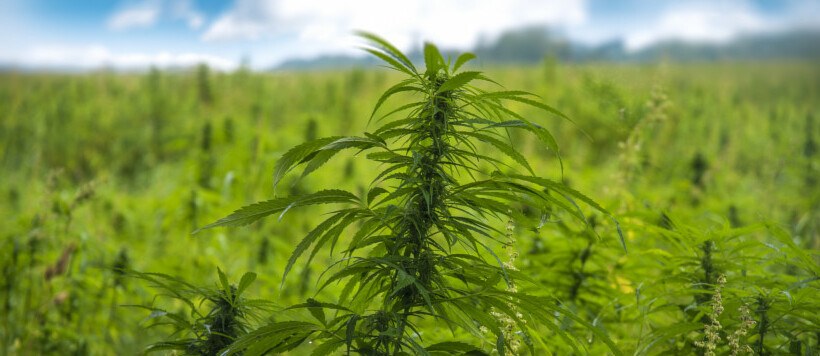
CBD (cannabidiol) is a substance belonging to the famous cannabinoids. It is obtained from industrial hemp (Cannabis Sativa). Unlike its cousin, the THC-rich recreational cannabis (Cannabis Indica, illegal), Cannabis Sativa contains almost no THC, less than 0.3%, which is why CBD is not classified as a narcotic in France. Its possible anti-inflammatory and pain-relieving properties are being studied. Here are the results of research, carried out on rats, on the effects of CBD on fracture healing.
- Scientists from the Hebrew University of Jerusalem reported in a study published in 2015 that cannabidiol improved the biomechanical properties of fracture healing in rats.
- Another study also suggests that cannabidiol (CBD) could stimulate the enzymes responsible for the cross-linking of collagen, a protein that is very important in the construction of connective tissue.
These 2 studies, carried out on rodents, open a lead for research on the biomechanical properties of calluses in bone fractures; they do not show any effect in cats. CBD is not a veterinary medicine: a fracture must be treated by your veterinarian, and no product should be given without his advice.