
What is diabetes?
Cat diabetes is a chronic disease that prevents the cat's body from producing or using a hormone called insulin. Produced by the pancreas, insulin allows glucose to enter the cells for energy. Without insulin, glucose builds up in the blood. The blood sugar level explodes, and gradually causes damage to the feline's body.
Diabetes is a disease that prevents the cat from using sugar as an energy source. During digestion, the digestive system of animals will separate food into simple elements such as glucose, protein, fat. After being digested, the glucose passes into the bloodstream to be used as an energy source by the different organs of the body. But in order to pass from the blood to the organs, glucose needs insulin. In case of abnormality, as it is the case in the diabetic cat, the glucose does not reach the different organs and remains in the blood. The blood sugar level then rises sharply. Deprived of glucose, the organs will then draw it from the fats and proteins of the muscles to find energy, which can lead to an important loss of weight and muscles.
Diabetes is therefore a pathology to be taken seriously into consideration, because without treatment it can cause serious complications, such as neuropathy, blindness, kidney failure, etc.
There are 2 types of diabetes:
- Type 1 diabetes
The pancreas does not produce, or very little insulin, it is an insulin-dependent diabetes. It generally affects young cats.
- Type 2 diabetes
It is characterized by a chronic hyperglycemia. The insulin level is normal or increased. Insulin does not play its role properly anymore.

Symptoms
In the diabetic cat, certain symptoms can usually be observed such as:
- Increased thirst
- An increase in appetite
- More abundant and sticky urine
- Possible weight loss
Diagnosis and treatment
Only a veterinarian can diagnose diabetes, thanks to blood and urine tests. If the suspicions are confirmed and according to the type of diabetes incriminated, the treatment will be different:
- Type 1 diabetes: this is the more problematic of the two. The cat will receive one to two insulin injections per day, usually in the skin of the neck, according to the instructions given by the veterinarian.
- Type 2 diabetes: the most common form in cats, often linked to overweight. Most diabetic cats still need insulin injections, at least at first, together with a low-carbohydrate diet prescribed by the veterinarian; some cats can then go into remission.
CBD and diabetes in cats
You've probably already heard about cannabidiol, more commonly known as CBD. But what is known about it in animals? Research is still very limited, and no CBD product sold to the public is a veterinary medicine.
A little reminder about CBD
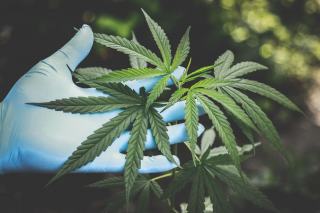
CBD, or cannabidiol, is a compound derived from hemp (Cannabis Sativa). It is found in the flowers and upper parts of the plant. CBD is therefore a substance that comes from cannabis, but it should not be confused with another substance produced by the same plant, the emblematic THC that produces psychoactive effects. To better understand, you need to know that cannabis is a group of plants, with 3 main varieties:
- Cannabis Sativa or hemp : It is very rich in CBD, and that is why it is used for the production of CBD (cannabidiol), THC is present in its flowers in insignificant concentration, less than 0.3% according to the law. Hemp is used in multiple industries (food, textile, construction, etc.).
- Cannabis Indica: It is very rich in THC. Cannabis Indica is grown illegally to make recreational products such as marijuana or cannabis resin.
- Cannabis Ruderalis: It is low in both THC and CBD, this variety is sometimes used in Asia for its fiber.
CBD does not have the intoxicating effect of THC, but this does not make it harmless for an animal: cats metabolise many substances differently from humans, and some products may contain traces of THC. Never give your cat a CBD product without the advice of your veterinarian.
CBD and THC are cannabinoids, natural molecules that interact with the cannabinoid receptors found in humans and mammals like cats. Our bodies naturally produce cannabinoids. Some researchers put forward the hypothesis of an endocannabinoid deficiency in certain diseases; this hypothesis is still debated.
We all have several systems, such as the nervous system, respiratory system, cardiac system, etc. But there is a much less known one, the endocannabinoid system. Some researchers describe it as a regulatory system involved in many of the others. Some studies suggest that a deficiency in the functioning of the endocannabinoid system could play a role in some diseases, and researchers are studying how CBD interacts with this system. These hypotheses do not make CBD a treatment for animals.

CBD and diabetes: what animal research says
Some laboratory and rodent studies have explored the possible effects of CBD on diabetes and blood vessels; none has been carried out on cats.
- In a 2016 study, researchers from Dalhousie University in Canada, working on mice with type 1 diabetes reported a decrease in some markers of the disease after CBD administration.
- In 2014 in Nottingham, another laboratory study on isolated arteries reported vasodilator effects of CBD (WHEAL et al. 2014)
- The same group of researchers reported 1 year later, again in the laboratory, a relaxation of mesenteric arteries involving CB1 and vanilloid receptors.
- Other research on a few mice predisposed to diabetes, observed for 6 months, found that 3 out of 5 mice treated with CBD (cannabidiol) did not develop the disease, while the 5 untreated mice all did. Such a small animal study does not allow any conclusion.
CBD is not a veterinary medicine and does not treat diabetes. A diabetic cat needs the follow-up of a veterinarian: never stop or change its insulin or diet, and ask your veterinarian before giving it any product.