What is legal cannabis or CBD?
Let's be clear from the start: hemp is not marijuana (or recreational cannabis). Consuming it does not cause a psychotropic effect; that does not mean it is without risk (drowsiness, possible interactions with medicines). This plant is not classified as a psychoactive substance. So why is there still so much confusion about it?
This confusion comes from the fact that hemp and marijuana are both forms of the same plant, called cannabis. But they are two very different forms of this plant, which leads to taxonomic (classification) confusion among laypeople and scientists alike.
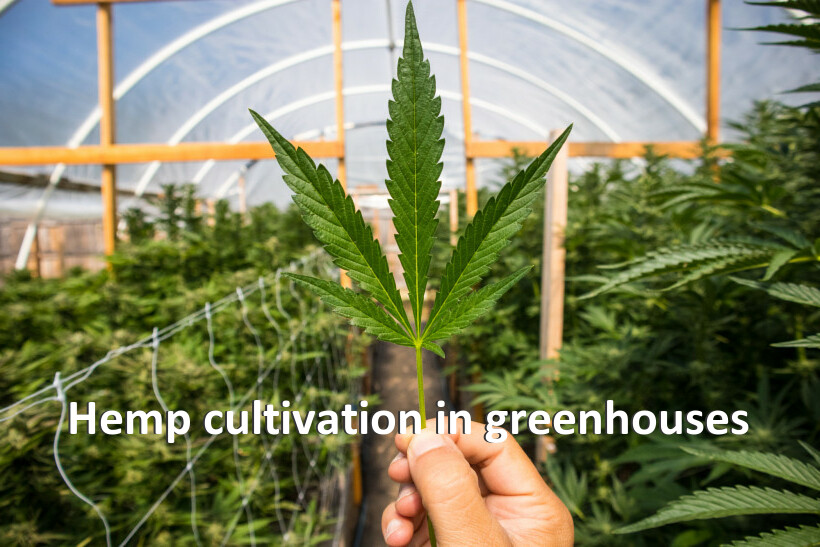
- Cannabis Sativa is a variety of cannabis very rich in CBD (cannabidiol). In France, its cultivation is only authorized if its THC content does not exceed 0.3%. This THC level varies according to the law in force in the country where the plant is grown.
- Cannabis Indica is the plant used for recreational consumption. Its flowers have a high THC content and are generally smoked or incorporated into a compound called cannabis resin. The use, possession and cultivation of Cannabis Indica are not legal because of its narcotic effects.
A short history of hemp
For millennia, humans have used hemp as a source of food, clothing, paper, medicine, building materials, beauty products and more. Used in Asia and Eastern Europe for thousands of years, hemp is one of the most important plants in human history.
Use of cannabis for medical purposes
Although cannabis was used for medicinal purposes for thousands of years in China and India, it only reached the Western world in 1842, thanks to the Irish doctor William Brooke O'Shaughnessy. It was during a trip to India that he discovered the plant and its use as a medicine. He then brought it back to England, where its use spread very quickly, before it crossed the Atlantic to reach the United States.
The use of cannabis as an ingredient in many medicines became so common that the period between 1840 and 1937 has been called the first golden age of cannabis.
Large companies such as Eli Lilly, Upjohn and Parke-Davis used cannabis as an ingredient in medicines for a wide range of conditions. For about a hundred years, in the United States as in Europe, it was common to see cannabis-based medicines sold without a prescription at the corner drugstore.
Cannabis in the United States
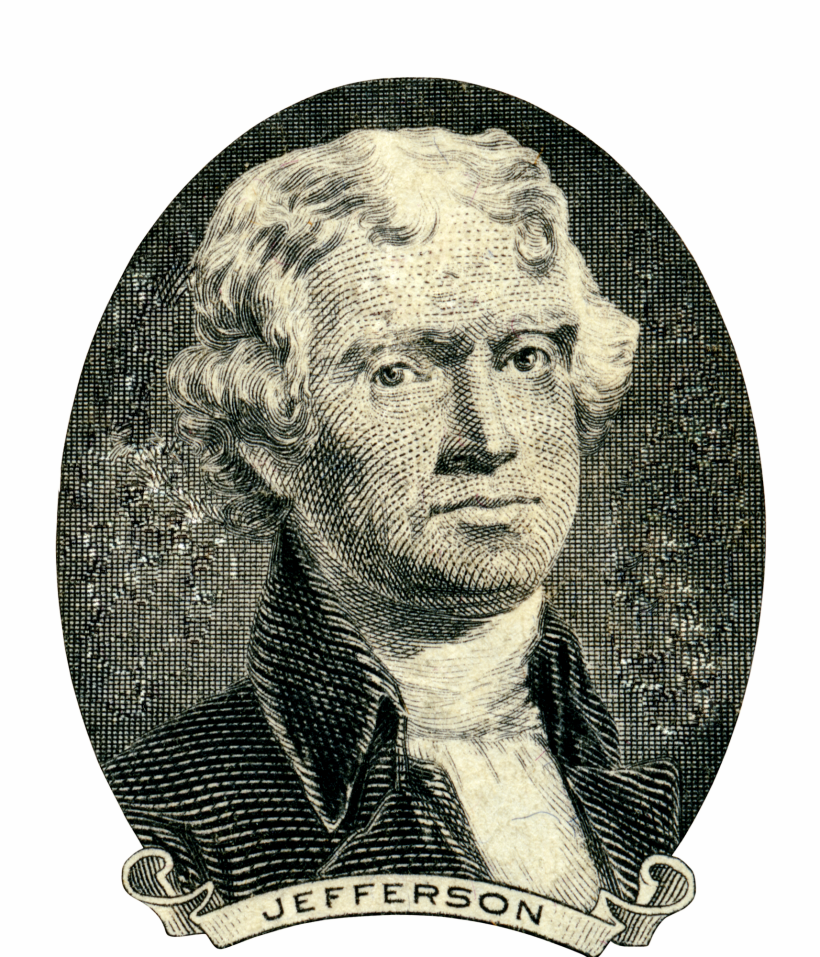
Hemp has been used in the United States since the country was founded. It was such an important crop for the young nation that Thomas Jefferson once said:
"Quality hemp and quality tobacco grow on the same kind of soil. The first is of the first necessity to the wealth and protection of the country. The second is perfectly useless."
So what happened? How did the United States, and then the rest of the world, go from encouraging and cherishing the cultivation of hemp to banning it outright?
There are many theories. Many believe that other major industries, including the paper and plastics industries, which did not want to face competition from hemp, pushed for its prohibition.
Others think that the whole campaign to demonize cannabis was the idea of Harry J. Anslinger, who came from the Bureau of Prohibition and was the first director of the Federal Bureau of Narcotics, created in 1930.
We will probably never know exactly what forces were at work. But the result was that cannabis became public enemy number 1.
Although the Marijuana Tax Act of 1937 effectively almost destroyed the hemp industry in the United States, it was not until 1970 that a law declared industrial hemp completely prohibited.
It ultimately took almost 50 years and a new federal law, the 2018 Farm Bill, for hemp cultivation (no more than 0.3% THC) to become legal again at the federal level in the United States, under the control of the states and the Department of Agriculture.
What is CBD or legal cannabis?
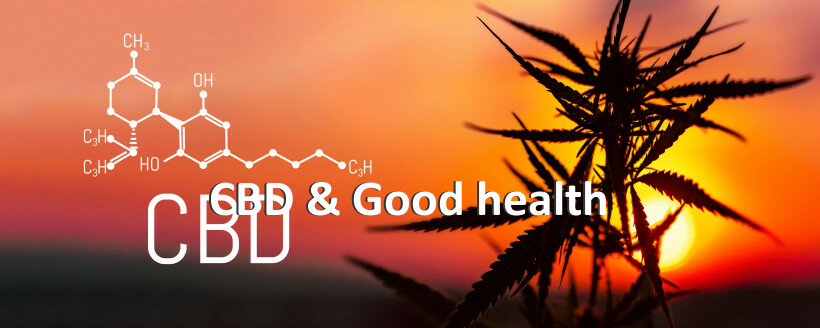
CBD is short for cannabidiol.
Cannabidiol is a cannabinoid discovered in 1940 by Roger Adams. It is one of the more than one hundred cannabinoids identified, and can account for up to 40% of industrial hemp extract, making it one of the most prolific cannabinoids in the plant.
CBD is a substance naturally present in cannabis plants. It is extracted and used in various products. Research is exploring its possible effects, but it is not a medicine, and no health claim is authorized for CBD in the European Union.
Unlike delta-9-tetrahydrocannabinol (THC), which is the main active ingredient in marijuana, CBD has no psychotropic effect.
How does it work?
CBD acts on certain receptors that are naturally present throughout the body. It produces none of the intoxicating effects that THC can produce.
Some users say they feel a sense of relaxation, although studies do not allow this to be confirmed to date.
Studies, mostly preclinical, suggest that cannabidiol could slow down the breakdown of anandamide, an endocannabinoid produced by the body. The consequences of this mechanism in humans remain to be established. CBD is not a medicine: if you have a health problem or are undergoing treatment, ask your doctor for advice before using a CBD product.
What research says about CBD
CBD acts on the endocannabinoid system, a network of receptors involved in many of the body's functions (mood, pain, digestion, sleep, immunity). This lead is of interest to researchers, but the studies carried out so far, often preclinical or on small samples, do not allow us to conclude that there is a health benefit, and no health claim is authorized for CBD (Regulation (EC) No 1924/2006). Adverse effects have been reported (drowsiness, digestive problems, increased liver enzymes at high doses), as well as interactions with certain medicines; CBD is not recommended for women who are pregnant or breastfeeding.
Clinical research on CBD is only in its early stages, while consumer demand is rising sharply. Apart from a prescription medicine for certain rare forms of epilepsy (Dravet and Lennox-Gastaut syndromes, tuberous sclerosis complex), no therapeutic effect of CBD is recognized. For any health question, ask your doctor for advice.