
Cancer, cancers
Every year, nearly 10 million people die of cancer worldwide (World Health Organization). This makes cancer one of the leading causes of death, after cardiovascular diseases. Nearly 1 in 6 deaths is due to it. Cancer makes no distinction between rich or poor, man or woman, adult or child. Everyone can be affected. Research is progressing, notably in gene therapy, but cancer remains a major public health issue.
What is cancer?
Our body is made up of several billion cells, about 30 trillion for a human weighing 70 kg and measuring 1.70 meters tall. Each cell has a specific function, and there are about 200 different cell types in humans. Cells group together and form a system called tissues. Tissues form organs. Organs form a system (e.g. nervous system, digestive system). Each cell is programmed to multiply a certain number of times and then self-destruct. When a cell suffers genetic damage, it can reproduce itself in an anarchic way in a tissue or organ. When it should die (self-destruct), it continues to multiply and produce more cancer cells. All of these clumped cells form a ball called a tumour. This is cancer.
The Causes:
The main risk factors for cancer are well known: tobacco, alcohol, sun exposure, diet, etc. There are also internal factors, such as heredity (a little less than 1 in 10 cancers). Age is also an important factor, so the older we get the higher the risk of getting cancer. External factors depend to a large extent on our environment and our behaviour:
- Smoking or alcohol consumption.
- An unbalanced diet
- Overweight
- The environment and exposure to certain carcinogenic substances (UV, pollutant, etc.)
How to reduce the risks?
As we have seen, certain behaviors can be favorable to cancer. According to several studies, more than 40% of cancers are due to risk factors on which we can act.
- If you smoke, get help to stop your consumption. If you don't smoke, don't start, of course.
- Do not drink alcohol in excess on a regular basis.
- Move, movement is life.
- Eat better, reduce consumption of red meat and cold cuts. Avoid highly processed industrial food. Eat plenty of vegetables and a few fruits every day.
Cancer and CBD
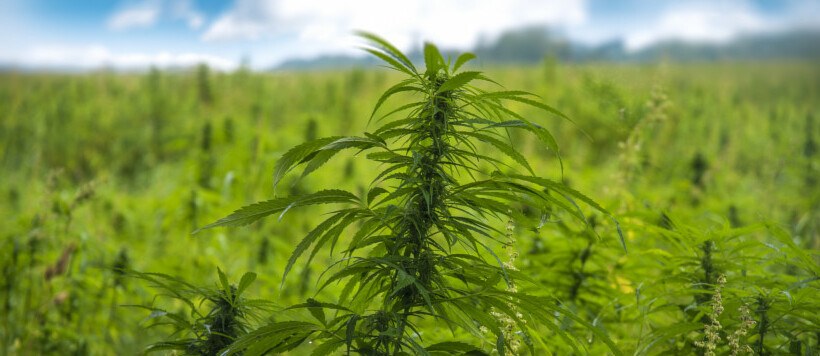
CBD (cannabidiol) is one of the many cannabinoids produced by industrial hemp (Sativa cannabis). Unlike THC, CBD has no psychotropic effects. CBD has been the subject of numerous laboratory studies for several years; they remain preclinical and do not allow any conclusion for humans.
- Several studies on cells and animal models have explored possible anticancer properties of CBD. Japanese researchers observed in the laboratory that CBD inhibits the migration of certain breast cancer cells. (Takeda et al. 2016)
- In a 2006 study on the anti-cancer effect of 5 cannabinoids, researchers found in laboratory tests that cannabidiol (CBD) was the most active of the molecules tested in inhibiting the growth of human breast cancer cells.
- In animal models and on lung cancer cells, CBD has been observed to trigger cell death (self-destruction) of cancer cells.
These preclinical results do not show any effect in humans: CBD is not a cancer treatment and must never replace or delay medical care. Talk to your oncologist before using any CBD product, as CBD may interact with some treatments.