
We rarely pay attention to it, or only when it shows signs of weakness, yet the immune system is the guardian of our health. It defends our body against external attacks: microbes, bacteria, and other pathogens, but also against abnormal cells, even cancerous cells. The immune system plays an essential role in our health. So how can you support your immune system? And what does research say about CBD? Research on parasitic infections is also reviewed in our page on CBD and malaria.
The immune system
The immune system is a set of surveillance and defense mechanisms that our body puts in place to fight viruses, bacteria, parasites, etc. It works 24 hours a day, 7 days a week. The immune system is made up of several organs and immune cells :
- Lymph nodes are small pea-sized balls found throughout the body, which contain powerful immune cells, the lymphocytes.
- The spleen is located just below the diaphragm, to the left of the stomach, and also stores lymphocytes, but also monocytes, cells that ensure our defense. In case of infection, it will release all these cells into the bloodstream in response to the aggression of a virus or other pathogens.
- Mucous membranes are the tissues that cover the inner walls of the nose, ears, mouth, intestines, etc. They are the link between the environment and the body. They form the junction between the external and internal environments of the human body. They are a protective barrier between these two environments.
- The bone marrow produces, among other things, the precious white blood cells (leukocytes) that are so important for good immunity.
How is the immune system built?
When a baby is born, his or her immune system is functioning, but is not yet mature. It will develop in contact with its environment, and its pathogenic elements, such as viruses and bacteria. Several important factors contribute to the strengthening of the immune system:
- At birth, if the baby is born vaginally, it will come into contact with the bacteria and viruses that line the mucous membranes of the mother. This contact will contribute to the colonisation of the newborn's intestine, and therefore to the development of his microbiota.
- Breastfeeding also helps to strengthen the immune system, because breast milk provides antibodies in large numbers. During the diversification of food, when the baby starts to absorb other foods than breast milk, a strong immune reaction occurs. In addition, the microbiota of the intestine will be enriched by these new foods.
- Vaccination will stimulate the immune system, and allow it to fight more easily against certain pathologies.
- The little hurts and illnesses that the child encounters in the first few months of his life will build his immune system. His organism will keep in memory the good answer to bring in case of recontamination.
How to support the immune system?
The immune system allows you to stay healthy, always alert, it watches over you constantly. But are you watching over it? Sometimes certain behaviors or habits can have the effect of lowering our defenses, and make us vulnerable to diseases. But some reflexes applied every day can strengthen your immune response :
- Get enough sleep : lack of rest can have a devastating effect on your immunity, and make you vulnerable to infection. Research shows that an adult needs 7 to 8 hours of sleep each night.
- Eat well : To perform well, you need a diet rich in vitamins and minerals. Ultra-processed industrial food is very poor from a nutritional point of view. By eating a variety of unprocessed foods, you put all the chances on your side.
- Be active, even a little : your body is made to move. Studies have shown that a lack of physical activity can contribute to a lowered immune system and an increase in illnesses such as heart disease and diabetes. Doctors recommend a 30-minute walk every day.

What is CBD?
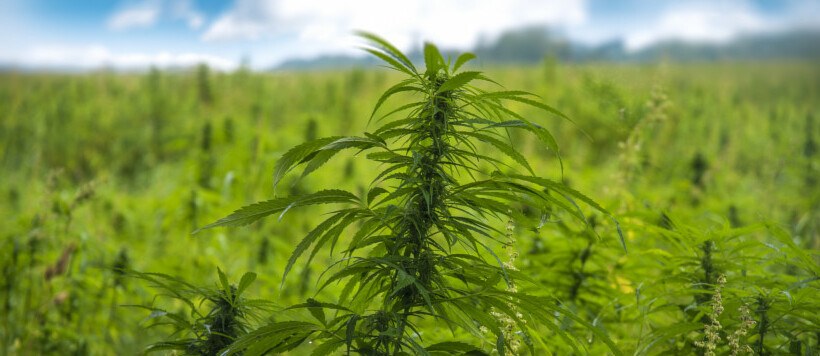
CBD, or cannabidiol, is a molecule very popular in recent years. It owes its popularity to the many studies on its possible effects. It comes from hemp (Cannabis Sativa), a plant used for thousands of years, and is part of the cannabinoid family. And even if this name is a bit barbaric for most of us, cannabinoids may not be totally unknown to you. Have you ever heard of THC by any chance? THC is in the same family as CBD, and its use is banned in most countries due to its psychotropic effects. THC also comes from cannabis, but not from the same plant. In fact, cannabis represents a family of plants:
- Cannabis Sativa, or industrial hemp, from which CBD oil is made. The CBD (cannabidiol) is found in the flowers of the plant.
- Cannabis Indica : it is cultivated illegally for its richness in THC.
- Cannabis Ruderalis : low in CBD and THC, this plant does not interest many people.
As you can see, cannabis in general suffers unfairly from the recreational use of THC. CBD products are made from hemp (Cannabis Sativa), and must contain less than 0.3% THC, as required by law.
CBD and the endocannabinoid system
Discovered at the end of the 20th century, the endocannabinoid system (ECS) is present in all mammals. It is a complex system, with a large network of receptors scattered throughout the body. Recent research has shown that it plays a major role in homeostasis. It is therefore involved in the regulation of our various internal systems such as the nervous system, heart, lungs, etc. The ECS, in order to transmit certain signals and regulate our homeostasis, such as our sleep, our mood, our appetite or our production of hormones, will use cannabinoids. Thus, membrane receptors, sensitive to these molecules, have been discovered on the surface of cells. Cannabinoids will cause the emission of biological signals that will lead to effects in the body. Studies have discovered the existence of two types of cannabinoid receptors with significantly different actions:
- CB1 receptors are mainly found in the nervous system, but they are also found in the heart, bones, eyes, muscles, etc.
- The CB2 receptors are largely present in the immune system, and to a lesser extent in the central nervous system. From discovery to discovery, studies have shown that the endocannabinoid system participates in embryonic brain development. But also that it regulates several important functions such as sleep, pain, inflammation, appetite, immunity, stress response, and many others. Many researchers now consider the endocannabinoid system an important biological system, as it is involved in the homeostasis of our body.

So what happens if the body does not produce enough endocannabinoids?
Dr. Ethan Russo, a renowned neurologist, is one of the best-known researchers on clinical endocannabinoid deficiency (CECD). He was the first to put forward the hypothesis that a chronic deficiency in endocannabinoids could be involved in several diseases. He is a former president of the International Cannabinoid Research Society, former editor of the "Journal of Cannabis Therapeutics", and has served as medical director of Phytecs. He has worked for many years on cannabis-based approaches to chronic pain.
According to this hypothesis, some diseases, particularly those related to inflammation, could involve a clinical endocannabinoid deficiency. It remains a hypothesis: it has not been confirmed.
So what could be the role of CBD?
CBD has a low affinity for CB1 and CB2 receptors, but it interacts with the endocannabinoid system indirectly. By acting on the ECS, CBD could play a role in the maintenance of homeostasis, a hypothesis still being studied. No study shows that CBD strengthens the immune system in humans. Research, mostly preclinical, explores several leads:
- Inflammation : several in vivo studies on animals have observed anti-inflammatory effects of CBD (MECHA, et al. 2013, KOZELA et al. 2013, BUCCELLATO et al. 2011, RIBEIRO et al. 2012); these results do not allow any conclusion for humans.
- Pain : a possible analgesic effect is being studied; the available data do not show that CBD relieves pain as a medicine would.
- Anxiety : in 2011, a small study (Bergamaschi et al.) in 24 patients with social anxiety disorder reported possible anxiolytic effects of cannabidiol; these results remain preliminary.
- Sleep : a study on rats observed an increase in sleep duration after CBD administration (2013 CHAGAS et al.); this has not been confirmed in humans.
CBD is not a medicine: for any immune disorder or health problem, ask a doctor for advice.