
A killer disease
According to the World Health Organization, this parasitic disease caused about 263 million cases and nearly 600,000 deaths worldwide in 2023, mostly young children in Africa. It is the most widespread serious parasitic infection on earth. It is spread by mosquito bites in all regions of the world with medium to high temperatures and humidity. Today, we are talking about Malaria.
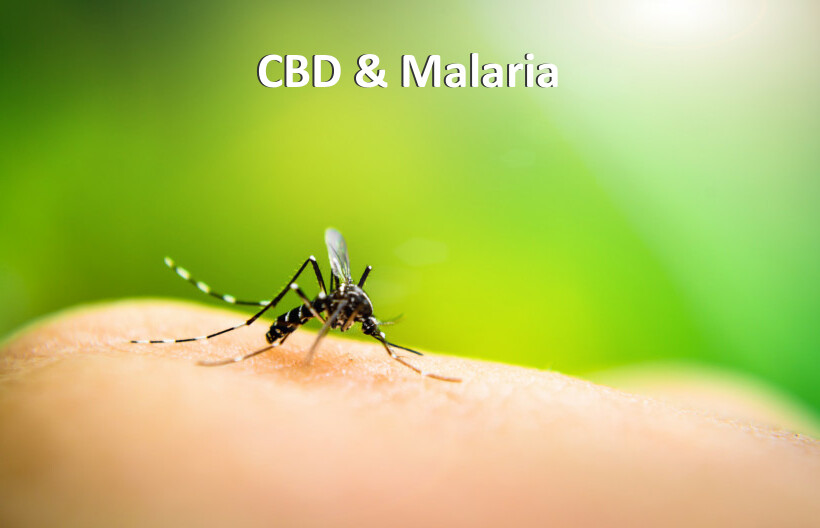
Malaria is a parasitic disease present in many countries, mostly developing countries where access to healthcare can be problematic. The disease is caused by a parasite that infects red blood cells to feed. The effects of the destruction of these globules gradually induce anemia in the patient. The parasite is mainly transmitted at night by the bites of female Anopheles mosquitoes. Scientists believe that malaria is one of the most deadly diseases in the history of mankind. It is believed to have been present since the Pleistocene, more than 50,000 years ago.
The parasite
The malaria parasite is a protozoan, a unicellular organism of the genus Plasmodium that measures 2 to 7 micrometers (0.0002 to 0.0007 cm). Before it can infect a human, the parasite must first infect a mosquito. The insect will infect itself by biting an animal or another human already carrying malaria. The parasite then multiplies in the mosquito's gut, and the new parasites migrate to the Anopheles' salivary glands. At the next bite, they can infect a new host.
The infection
After being injected by the bite of a mosquito into a mammal, the parasite will very quickly migrate to the liver (a few minutes are enough). There, it will infect a liver cell and multiply until it bursts, thus releasing into the bloodstream a multitude of new parasites, each of which will colonize a red blood cell, multiply, again until the cell explodes, and so on. As they multiply, the parasites cause anaemia in their host by systematically destroying the red blood cells encountered. If a mosquito bites the patient, the mosquito becomes infected and can in turn spread the parasite.
Symptoms
The first symptoms of malaria occur one to three weeks after the bite. They are manifested by :
- Outbreaks of high fever, which may recur every 2 or 3 days depending on the parasite.
- Disturbances of consciousness
- Impaired kidney function
- General exhaustion
Prevention and treatment
When traveling to areas where the parasite circulates, a preventive treatment may be prescribed by a doctor, who chooses the medicine according to the area visited and the traveller (children and pregnant women are the most vulnerable). As no treatment is 100% effective, it is also important to protect yourself from bites by other means, such as a mosquito net and repellents. Any fever after a stay in a malaria area requires an urgent medical consultation.
CBD and Malaria
CBD (cannabidiol) is a substance derived from industrial hemp (Sativa Cannabis). It belongs to the family of cannabinoids, like the famous THC which generally comes from Cannabis Indica. Contrary to THC, CBD is not psychotropic, and it is not classified as a narcotic in France. CBD comes from the Cannabis Sativa plant, more commonly known as industrial hemp. Cannabis in general and CBD in particular are the subject of much scientific research. What does research say about CBD and malaria?
- A study published in 2015 on mice with cerebral malaria observed that cannabidiol (CBD) improved survival and the conservation of cognitive performance when the infection reached the brain.
This result, obtained in animals, does not show any effect in humans. CBD is not a medicine: it neither prevents nor treats malaria. Before travelling, ask your doctor for the preventive treatment adapted to your destination.