
Suffering and addiction
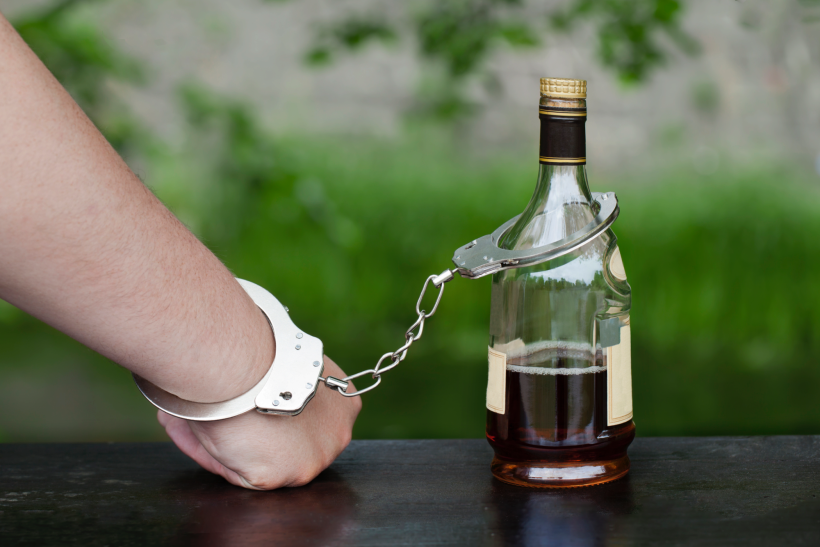
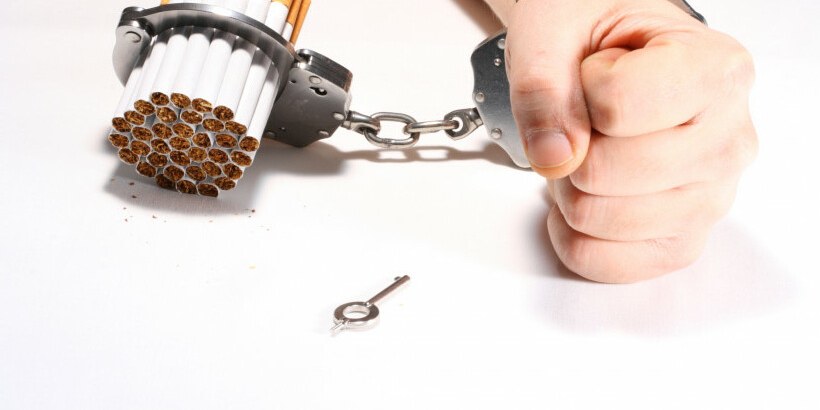
From a medical point of view, addiction is a pathology characterized by a dependence on a substance, or an activity that can cause suffering. And while saying that one is addicted to something has become part of everyday language ("I am addicted to chocolate", "He is addicted to running", "Did you see how much he drinks? Three or four beers every day"), behind this lightness of tone there is sometimes great distress.
Addictions
Addictions, or dependencies, can be extremely diverse, and new ones are regularly added to the already extensive list. While drugs, alcohol and tobacco are already well known substances, others have made their appearance more recently, such as addiction to video games, the Internet, shopping, gambling, sex, sports, or even work.
The consequences for people suffering from these behaviors can be dramatic (isolation, precariousness, illness, violence, suicide, etc.). In France, alcohol is responsible for about 41,000 deaths a year (Santé publique France, 2015 estimate) and tobacco for about 68,000 (2023 estimate). About 20% of mortality is thought to be attributable to addiction. Addiction to shopping or gambling plunges entire families into precariousness and sometimes violence. Addiction to video games is a danger for the youngest: falling school results, changes in behaviour or isolation.
Our article does not replace a consultation: if you or someone close to you faces an addiction, talk to your doctor. He or she will be able to give you the best advice to get you out of this addiction and get rid of these behaviours that are poisoning your life and your health. He or she can refer you to a doctor who specializes in the treatment of addictions such as alcohol, tobacco, or any other substance or behavior that affects your mental or physical health.
In recent years, basic research studies, mostly on animals, and some rare studies on small groups of human subjects have explored the possible effects of CBD on addiction to opiates, cocaine and tobacco, in particular on withdrawal symptoms and cravings. Researchers are also studying how CBD interacts with THC. These results do not allow any conclusion: CBD is not a medicine and does not replace care for an addiction. Tobacco is covered separately in our page on CBD and smoking.
CBD and tobacco
University College London published in 2013 (Morgan et al.) the results of a study on the effects of cannabidiol in smoking cessation (nicotine). The 24 patients were divided into 2 groups. 12 participants received a placebo, the other 12 received a dose of CBD. They were asked to use their inhaler whenever they felt like smoking. At the end of the one-week study, the CBD group reported smoking about 40% fewer cigarettes, while the placebo group reported no significant change. This very small study has not been confirmed by larger trials and does not allow any conclusion.
CBD and recreational cannabis
Research results published in 2012 by the Faculty of Medicine of Sao Paulo reported a reduction of withdrawal symptoms from recreational cannabis (rich in THC, very poor in CBD) with CBD, on very limited data that has not been confirmed by larger trials.
CBD and cocaine
According to the conclusions of the Scripps Research Institute of La Jolla (USA) 2017, CBD reduced cocaine-seeking behaviour in rats. Animal results cannot be transposed to humans.
CBD and morphine
In animal studies, CBD reduced some effects linked to morphine reward (KATSIDONI et al. 2013, Markos et al. 2017). These results have not been shown in humans.
CBD and heroin
In a study on rats (Ren et al. in 2009), CBD reduced heroin-seeking behaviour. This has not been demonstrated in humans.
CBD and alcohol
According to a 2017 study on animals, cannabidiol (CBD) reduced some signs of alcohol dependence (VIUDEZ-MARTINEZ et al.). These results have not been confirmed in humans.
CBD and withdrawal effects
Researchers are exploring whether CBD could influence withdrawal effects, but current studies, mostly preclinical or on small groups, do not allow any conclusion. Withdrawal from a substance should always be supervised by a doctor.
It is rarely easy to stop using a product or behavior on which one is dependent. However, nothing is impossible, and the benefits of getting off it can give you wings. As we have seen, research on CBD and addiction is still at an early stage. CBD is not a medicine and does not replace any treatment: your doctor or an addiction specialist remains the right person to support you.