
A silent disease
High blood pressure (hypertension) is an abnormally high pressure of the blood in the arteries, and a global public health problem. Often silent for a long time, it can cause severe complications such as heart attack or stroke. The WHO links hypertension to about 9 million deaths worldwide each year. Let's see which habits help reduce the risks, and how to live with it.
What is high blood pressure?
Blood pressure is the blood pressure in the arteries. The value considered normal is 120/80:
- The number 120 is the maximum pressure when the heart contracts to push blood through the arteries. The 80 is the minimum pressure when the heart relaxes to refill itself with blood.
- Above 140/90, the patient is considered hypertensive, suffering from high blood pressure. The pressure inside his arteries is too high, causing them to age prematurely. The overstrained heart gradually becomes tired.
The causes
The World Health Organization (WHO) is concerned that an increasingly young population is being affected by high blood pressure. For example, it is not uncommon to see people in their 50s who are already hypertensive. In the 65-75 age group, 50 % of women and 30 % of men suffer from this disease. The causes are:
- Aging
- A diet too rich in salt
- Overweight and Obesity
- A sedentary lifestyle
- Smoking
- Alcohol
- Stress
Symptoms
Symptoms of high blood pressure are quite subtle, when they are present, which is not always the case. The disease is mostly asymptomatic. However, some disorders can be a red flag:
- Recurring headaches (especially when waking up)
- Dizziness
- Chest pain
- Sleepiness
- Nosebleed
- Visual disturbances
Complications
If left untreated, high blood pressure can cause very serious complications in the heart and brain, as well as in organs such as the kidneys and eyes (retina):
- Stroke (cerebrovascular accident)
- Myocardial infarction, angina pectoris
- Arteriopathy of the lower limbs
- Kidney damage
- Eye damage (retinopathy)
- Etc.
Treatment
The objective of the treatment will be to lower the patient's blood pressure, it is called antihypertensive treatment. Lifestyle measures are always part of the treatment and, in moderate cases, may be tried first:
- A balanced diet, rich in vegetables and fruit, low in salt and animal fat.
- Adapted regular physical activity
- No tobacco and little alcohol.
If these measures have not been sufficient to lower blood pressure, then antihypertensive medication will be prescribed.
CBD and high blood pressure
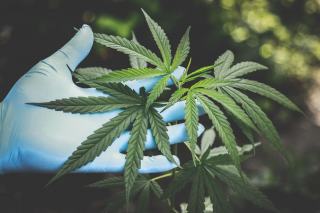
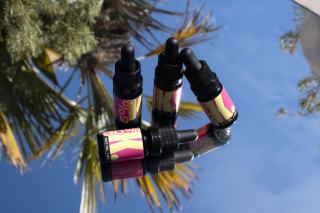
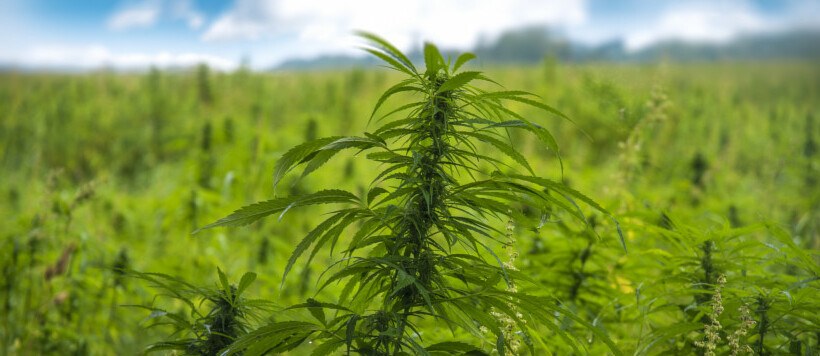
Cannabis has been used since the dawn of time for its supposed therapeutic virtues. If it is well known for its psychotropic effects, cannabis represents in fact a family of plants, of which the Indica Cannabis is a part, used for its high effect, because it is very rich in THC. Sativa Cannabis or industrial hemp, contains less than 0.3% THC, but is very rich in CBD. The CBD or cannabidiol belongs to the family of cannabinoids as well as THC. However, CBD is not a narcotic in France, unlike THC. Cannabidiol is of particular interest to the research community, but most studies are preclinical or on small groups. Let's look at the case of high blood pressure:
- In a study published in 2017, involving only 9 healthy men, a single dose of CBD was followed by a lower blood pressure (JADOON et al.). Such a small study does not allow any conclusion.
- In the same study, conducted by researchers from the Universities of Nottingham and Oxford, the rise in blood pressure during stress tests was also smaller; the authors called for further research.
These results are preliminary. CBD is not a medicine and does not replace an antihypertensive treatment: never stop or modify your treatment, and ask your doctor for advice, especially since CBD may interact with some medicines.