
CBD and inflammation: what research says
Autoimmune diseases cause chronic inflammation that can affect a system or an organ. They are the consequence of a malfunctioning of the immune system. The body attacks itself.
What is an autoimmune disease?
It is a disorder of the immune system, which no longer makes the difference between the self (the body) and the non-self (viruses, bacteria and other pathogens). When it functions normally the immune system protects us from many diseases, but when it malfunctions, it produces antibodies directed against the body itself: these are called autoantibodies. This phenomenon creates an inflammatory reaction. The list of autoimmune diseases is a long one, with no less than 80 of them. Type 1 diabetes, lupus, Crohn's disease, rheumatoid arthritis, psoriasis, ulcerative colitis, etc., are just a few examples. All organs can be affected, the brain, liver, skin, joints, etc.
Symptoms
Depending on the illness caused by the malfunctioning of the immune system, the symptoms will be more or less perceptible to the patient. The consequences of inflammation and tissue damage can lead to pain, fatigue, irritation, joint deformities, swelling, etc.
Diagnosis
Diagnosis is based on a clinical examination, exploration of the organ in question and blood samples, and possibly imaging tests. The blood sample is taken to find markers of autoimmunity and therefore the presence of autoantibodies.
Treatment
There is no real cure for autoimmune disease, although there have been reports of cases where the disease has disappeared as suddenly as it appeared. The proposed treatments can reduce or eliminate the symptoms of the disease, and it is often necessary to take them for life.
CBD, autoimmune diseases and inflammation
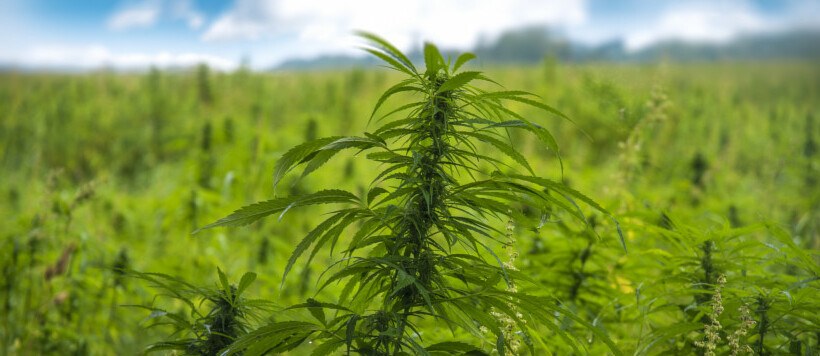
CBD (Cannabidiol) is a molecule coming from industrial hemp (Cannabis Sativa), it has been the object of a great deal of research in recent years, mostly preclinical (on cells or animals). Cannabis is a well known family of plants, which includes 3 subspecies:
- Cannabis Sativa: also called industrial hemp, very rich in CBD, and very poor in THC (less than 0.3%).
- Cannabis Indica: the recreational cannabis, poor in CBD and very rich in THC
- Cannabis Ruderalis: low in CBD and low in THC
In France, CBD is not a narcotic, unlike its cousin THC, and hemp flowers and leaves with less than 0.3% THC may be sold (Conseil d'Etat, 29 December 2022). However, CBD is not authorised as a food in the European Union, and it is not a medicine.
Here are some research results on CBD (cannabidiol) and inflammation, mostly from laboratory and animal studies:
- Several animal studies have explored possible anti-inflammatory effects of CBD (MECHA, et al. 2013, KOZELA et al. 2013, BUCCELLATO et al. 2011, RIBEIRO et al. 2012).
- In 2016, a laboratory study reported that CBD increased the concentration of the anti-inflammatory cytokine IL-10 (KOZELA et al.).
- Researchers at the University of Naples reported reduced markers of intestinal inflammation with CBD in laboratory work on ulcerative colitis.
- In the United States, a study reported that CBD applied to the skin reduced joint inflammation in arthritic rats (HAMMELL et al. 2015).
These results cannot be transposed to humans and do not allow any conclusion. CBD is not a medicine and does not replace the treatment of an autoimmune disease: ask your doctor for advice, especially since CBD may interact with some medicines. The same caution applies to back conditions, as shown by what research says about CBD and degenerative disc disease.