Throughout this article, we will explore how memory works, find out what CBD oil is, and review what research knows, and does not know, about its effects on the brain. We will also see why a testimonial is not enough to prove an effect, and what really helps to maintain memory. Ready to embark on this fascinating journey?
1. How memory works
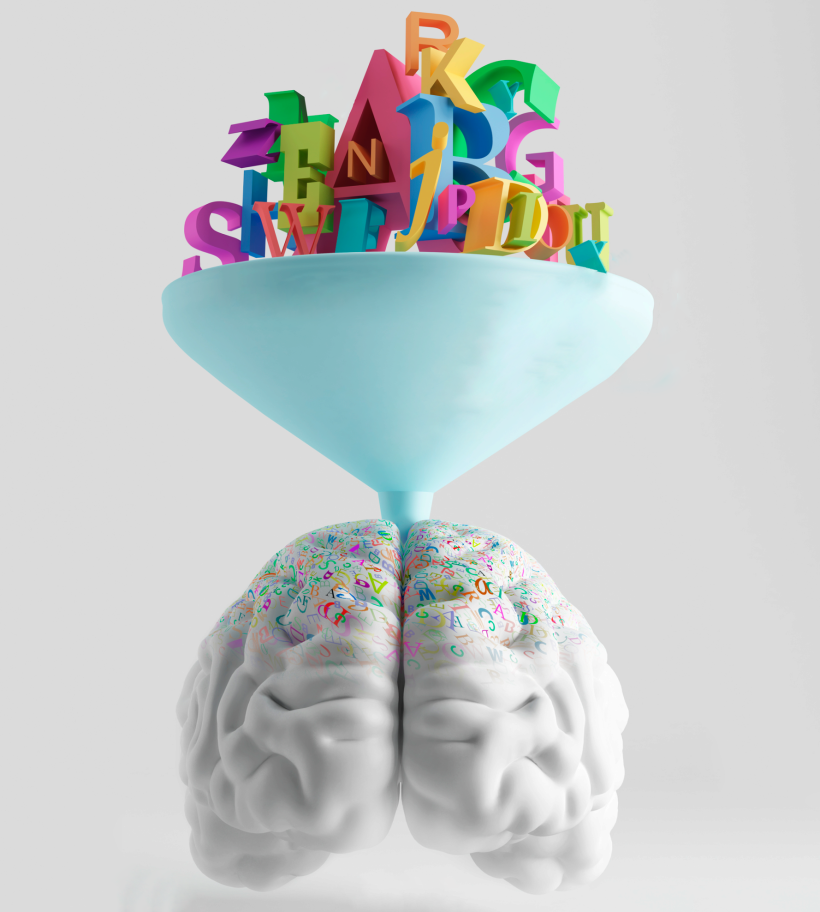
Memory is a complex and mysterious process that allows us to store, retrieve and use the information our brain has recorded. Imagine memory as a vast library, where each memory is a precious book, carefully arranged on a shelf. There are two main types of memory: short-term memory and long-term memory:
- Short-term memory is like the library counter, where we temporarily place information before using it or putting it away. It has a limited capacity and a short lifespan.
- Long-term memory, for its part, is the vast storage space of the library shelves. Here, memories are kept for a much longer time, sometimes even for a lifetime.
2. What is CBD?
Cannabidiol, more commonly known as CBD, is a natural substance found in a plant called hemp (Cannabis Sativa). Unlike THC, another well-known component of cannabis, CBD has no psychotropic effect and therefore does not cause a "high" feeling. In recent years, CBD has gained in popularity, and many benefits are attributed to it, including for memory and concentration. Yet no health claim is authorized for it.
3. CBD and its effects on the brain
CBD interacts with our endocannabinoid system, a complex network of receptors and neurotransmitters present throughout our body, including our brain. The endocannabinoid system plays an important role in the regulation of many functions, such as mood, sleep, appetite and memory.
CBD acts indirectly on this system and on other receptors in the brain, through mechanisms that are still poorly understood. Researchers are wondering about a possible balance it might influence, but no effect on memory or concentration has been demonstrated in humans.

4. CBD, memory and concentration: what the studies say
Studies, mainly carried out on laboratory animals or on cells, explore the ability of CBD (cannabidiol) to protect brain cells and to influence neuroplasticity, that is, the brain's ability to adapt and reshape itself. These preclinical results do not allow the conclusion that memory improves in humans.
Other research, on small samples, looks at anxiety and stress, two factors that can disrupt our ability to concentrate. Here again, the results do not support the claim that CBD oil makes people more attentive or helps them retain information better.
In the rest of this article, we will review the research on neurodegenerative diseases, the regulation of CBD products, and the real value of testimonials.
5. CBD and research on neurodegenerative diseases
Neurodegenerative diseases, such as Alzheimer's disease, dementia and Parkinson's disease, are progressive disorders that affect memory, cognition and the general functioning of the brain. Laboratory work is exploring neuroprotective and anti-inflammatory properties of CBD; it does not allow a protective role against these diseases to be attributed to it.
For example, researchers studying Alzheimer's disease have observed, in animals or on cells, a decrease in inflammation markers under CBD. These studies are at a preliminary stage and cannot be transposed to humans. Anyone worried about their memory, or that of a loved one, should consult their doctor: an early diagnosis allows appropriate care.
6. CBD products: what the regulations say
CBD-based products come in various forms, such as oils, capsules, chewing gum and liquids for vaporizers. Products to be swallowed are not authorized as food in the European Union (Novel Food Regulation (EU) 2015/2283), and their sale is illegal in France; e-liquids, for their part, fall under vaping regulations.
For authorized products, quality varies a great deal: an independent laboratory analysis should state the actual CBD and THC content and the absence of contaminants. No dose has been validated. CBD can interact with certain medicines and cause side effects (drowsiness, digestive problems); it is not recommended during pregnancy and breastfeeding.

7. The example of Marie, and the limits of testimonials
Marie, a 45-year-old teacher and mother of two, has always been a dedicated person who is passionate about her work. Over time, however, she found herself overwhelmed by the stress and responsibilities of her professional and personal life. Her mind was constantly racing, and she found it increasingly difficult to remember important things. The names of her students, the dates of meetings, the details of school projects... everything seemed to slip from her memory.
One day, while desperately searching for her car keys in her messy house, Marie realized that she could not go on like this. Her memory problems were starting to affect not only her work but also her family life. She knew she had to find a solution to regain her balance and manage her daily life better.
That is when she heard about CBD. Articles and testimonials attributed beneficial effects to it on memory, concentration and stress. In her situation, however, the right move is to consult her doctor first, who will look for the causes of this forgetfulness.
In this type of situation, a check-up often reveals chronic fatigue and insufficient sleep, linked to work overload. Everyday lapses, such as keys or names, are common in such periods and do not necessarily reflect a memory disease.
The measures that help are then simple: lists and a shared calendar, regular bedtimes, a return to physical activity. These changes, which research associates with better memory, take a few weeks to bear fruit.
If Marie were taking CBD at the time she changed her habits, she might attribute her progress to it. This is the whole limit of testimonials: they do not make it possible to distinguish the effect of a product from that of other changes, or from the placebo effect.
That is why only rigorous studies, carried out on large samples, can establish an effect on memory. To date, they do not exist for CBD.
8. The other avenues studied for CBD
Beyond memory, research is exploring other avenues, without any established result:
- stress and anxiety
- chronic pain
- sleep.
CBD is not without side effects, and it can interact with certain medicines (particularly through the cytochrome P450 liver enzymes). CBD is not a medicine: if you have a health problem, ask a doctor for advice.
CBD and memory: no effect demonstrated in humans
CBD is a natural substance that interests researchers, particularly for its interactions with our endocannabinoid system. But no effect on memory or concentration has been demonstrated in humans, and nothing allows a role in preventing neurodegenerative diseases to be attributed to it.
If you suffer from memory problems, anxiety or stress, talk to your doctor: these problems have causes that can be investigated and treated. Testimonials, however sincere they may be, do not replace a consultation.
To maintain your memory, rely on what has proven itself: enough sleep, regular physical activity, a varied diet, social ties and activities that stimulate the mind. CBD is not a medicine: if you have a health problem, ask a doctor for advice.