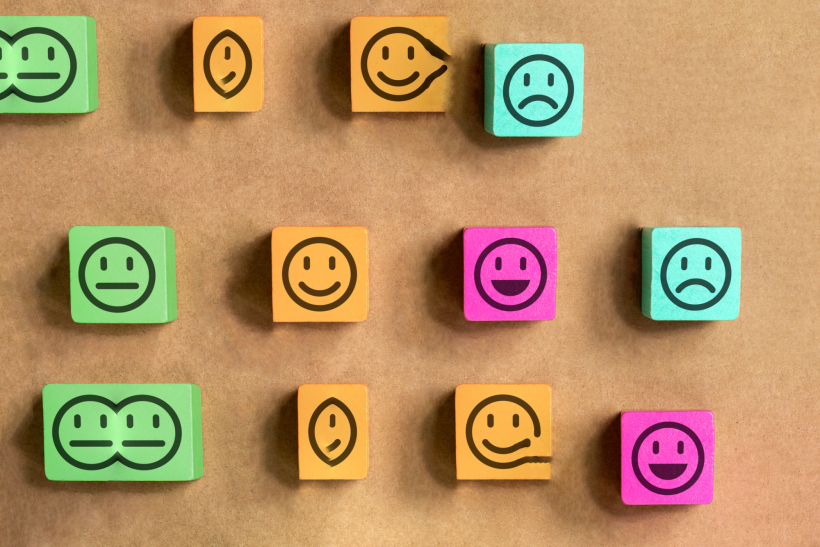
In this article, we review what is known about CBD and mood: its history, its interaction with the endocannabinoid system, the avenues explored by studies and the limits of testimonials. CBD is not a medicine: if you have a health problem, ask a doctor for advice.
I. CBD and mood: where does the interest come from?
The history of CBD
Since the dawn of time, humans have looked for ways to improve their mood and fight the disorders that affect it. Hemp has been used for centuries, for its fibers, its seeds and in traditional medicine. But it is only recently that CBD, a non-psychoactive molecule derived from hemp, has gained in popularity. Today, more and more people are interested in it in connection with mood, stress or sleep, although its efficacy has not been established.
CBD and other relaxation plants
CBD is often compared with other plants associated with relaxation, such as chamomile, valerian or passionflower, traditionally used in herbal tea. This comparison has its limits: being natural guarantees neither efficacy nor the absence of risk, and CBD, like these plants, can interact with certain medicines.
Natural does not mean free of precautions
CBD is not an alternative to treatments for mood disorders. Side effects have been reported (drowsiness, digestive problems, changes in liver enzymes at high doses), drug interactions are possible, particularly with antidepressants and anxiolytics, and it is not recommended during pregnancy and breastfeeding. A persistently low mood, overwhelming anxiety or persistent sleep problems warrant a medical consultation.
II. CBD and mood: the mechanisms studied
The endocannabinoid system (ECS)
To understand why researchers are interested in CBD, you need to know about the ECS. This system, present in our body, helps regulate many functions, including mood, the stress response and sleep. Researchers are studying how CBD interacts with it.
The CB1 and CB2 receptors
The ECS is made up of receptors, mainly the CB1 and CB2 receptors. These receptors are present throughout our body, particularly in our brain, where they are involved in regulating our mood. CBD binds only weakly to these receptors: it is thought to act rather indirectly, as well as on other targets such as certain serotonin receptors. These mechanisms, described mainly in the laboratory, are not enough to prove an effect on mood.
The endocannabinoid system is often presented as a conductor coordinating different functions of the body. The image helps to understand why researchers are interested in CBD, but it should not lead anyone to believe that CBD "restores the balance" of mood: studies in humans are still few in number, often on small samples, and their results do not allow any conclusion.

III. Mood disorders: what studies are exploring
- CBD, anxiety and stress: stress is a factor that can greatly affect our mood. A few studies, often on small samples or in experimental settings, explore the link between CBD and anxiety; their results are mixed and do not allow any conclusion. Anxiety that sets in should be addressed with a health professional.
- CBD and depression: mood disorders can also take the form of depressive episodes. Work on CBD and depression is mainly preclinical, carried out in animals; no trial allows an effect in humans to be recognized. Depression is a treatable illness that calls for a doctor: never stop an antidepressant on your own.
- Insomnia and CBD: good quality sleep is essential for maintaining a good mood. Sleep problems can harm our emotional and physical well-being. Studies are looking at CBD and sleep, with variable results that do not allow any conclusion; insomnia that lasts deserves a doctor's opinion.
In summary, CBD is an avenue of research, not a treatment for mood disorders. CBD is not a medicine: if you have a health problem, ask a doctor for advice.
IV. Consumer testimonials: what they say and what they do not prove
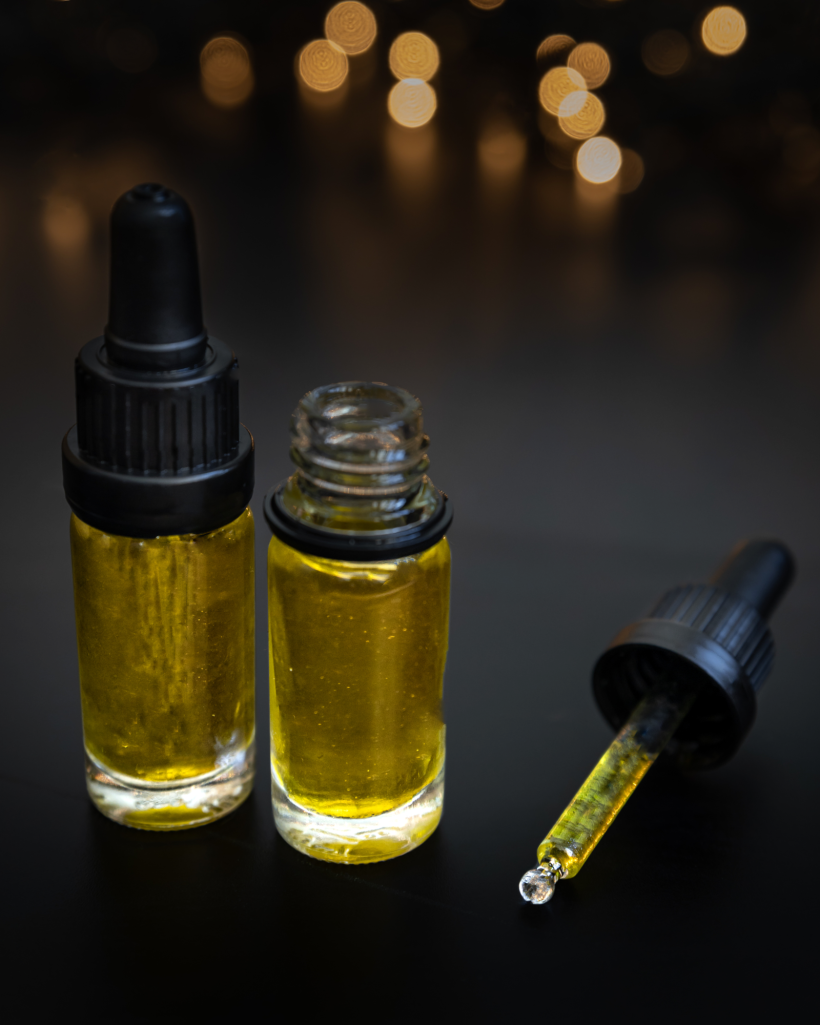
- Many testimonials: testimonials from cannabidiol consumers are multiplying, often in connection with relaxation. A testimonial nevertheless remains a personal experience: it does not tell you whether the effect felt comes from CBD, from a placebo effect or from other changes in lifestyle.
- Persistent symptoms: chronic pain, mood disorders, or lasting stress or anxiety should not be managed alone with a CBD product. They deserve a diagnosis, as they may reveal an illness that can be treated.
- Relaxation and cannabidiol: many users associate CBD with a moment of relaxation. The feeling of relaxation is subjective and varies from one person to another; it does not constitute a demonstrated health effect.
- What the law says: no health claim is authorized for CBD, and products to be swallowed (oils, capsules, gummies) are not authorized as food in the European Union. Only a cannabidiol-based medicine, prescribed for certain rare epilepsies, has proven its efficacy.
Throughout this article, we have seen why CBD interests researchers working on mood, stress, anxiety, depression and sleep, because of its interaction with the endocannabinoid system. We have also seen that the evidence in humans remains insufficient.
If your mood worries you, talk to your doctor: effective forms of care exist, and only your doctor can tell you whether a CBD product poses a risk with your treatment. CBD is not a medicine and does not replace any care.