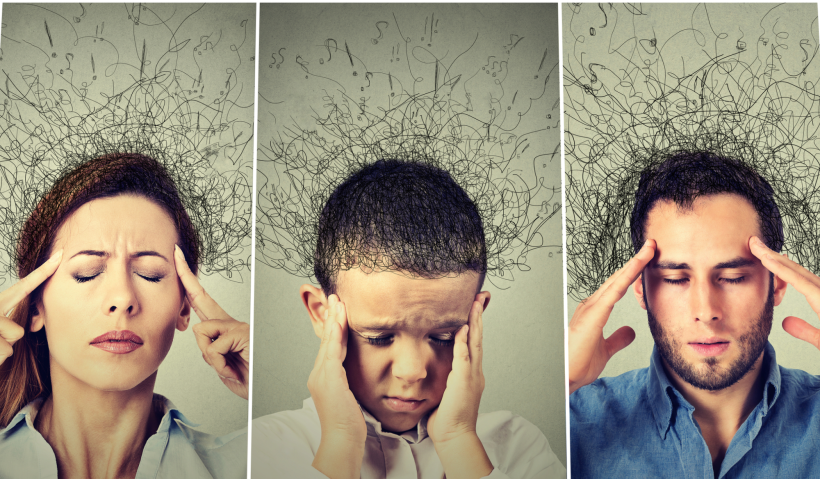
Have you ever felt overwhelmed by anxiety, to the point where it harms your well-being and your personal fulfillment? Faced with this challenge, many people take an interest in so-called natural approaches. CBD, a substance extracted from hemp, is thus attracting growing interest. In this article, we review what is really known about CBD and anxiety: what it is, what studies are exploring, their limits and the precautions to be aware of. CBD is not a medicine: if you have a health problem, ask a doctor for advice.
I. CBD, what is it?
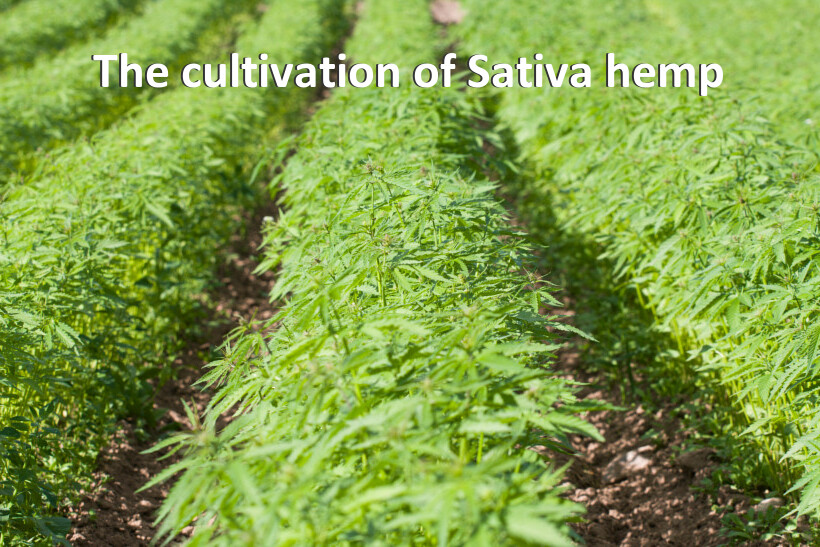
CBD, or cannabidiol, is one of the many molecules found in hemp, a plant belonging to the cannabis family. Contrary to some popular beliefs, CBD does not have psychotropic effects. In other words, it does not cause the "high" feeling often associated with cannabis.
The difference between CBD and THC
It is essential to distinguish CBD from THC (tetrahydrocannabinol), another molecule derived from cannabis, which does have psychotropic effects. THC is the substance responsible for the high and for the addiction linked to cannabis. CBD, for its part, is not classified as a narcotic in France and does not cause dependence. That does not mean it is free of side effects, as we will see below.
Today, products containing CBD are booming. More and more people are interested in them in connection with stress or anxiety, and manufacturers offer a wide range of products. Not all of them are authorized: in France and in the European Union, foodstuffs enriched with CBD (oils to be swallowed, capsules, gummies, drinks, foods) are not authorized: CBD has not been authorized as a novel food (Regulation (EU) 2015/2283).
II. CBD and anxiety: understanding the mechanisms studied
What is anxiety?
Anxiety is a normal and necessary reaction of our body to stressful or uncertain situations. However, when anxiety becomes chronic or disproportionate, it can harm our well-being and our quality of life. In this context, it is important to talk to a doctor about it: anxiety disorders can be treated, through psychotherapy and, if necessary, with medication.
The role of serotonin and the endocannabinoid system
Serotonin is an essential neurotransmitter that plays a central role in regulating our state of mind, our sleep and our appetite. A serotonin imbalance can be at the root of anxiety and depressive disorders. The endocannabinoid system, for its part, is a set of receptors present in our body, involved in regulating various functions, including anxiety.
How CBD acts on receptors
In the laboratory, CBD interacts with the endocannabinoid system and with other targets, including certain serotonin receptors. This is what explains researchers' interest, although these mechanisms are not enough to prove an effect on anxiety in humans.
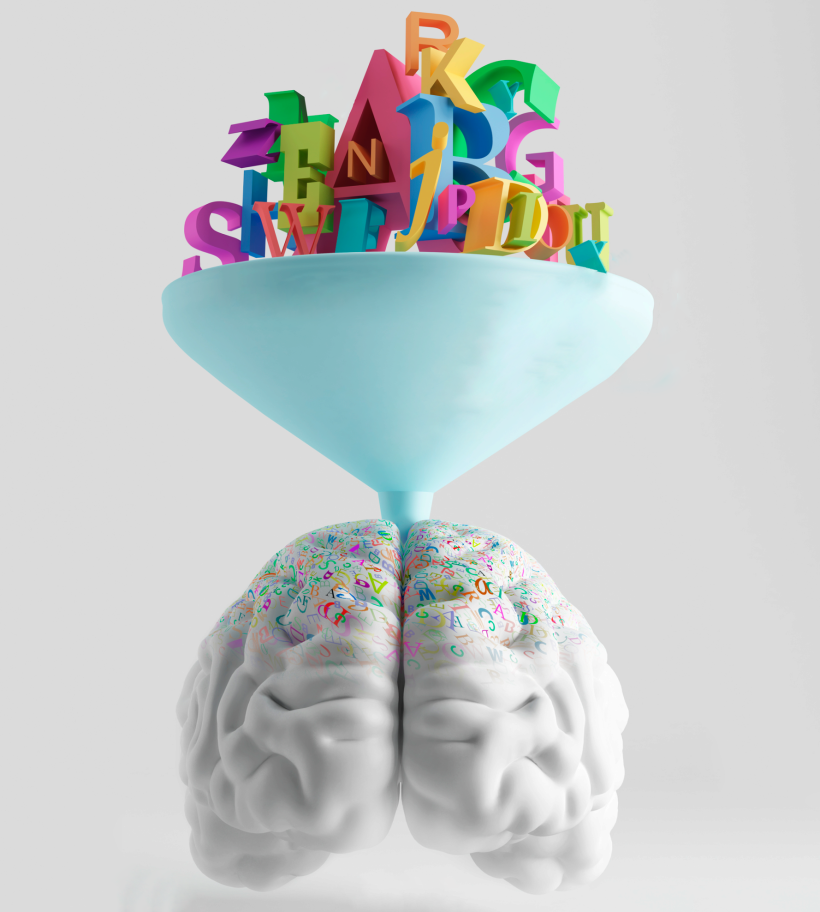
Imagine that our brain is an orchestra and that serotonin is one of the key instruments in this orchestra. When serotonin secretion is out of balance, the harmony of the orchestra is disrupted, causing anxiety disorders. Researchers are wondering whether CBD could influence some of these instruments; to date, this image remains a hypothesis, not a demonstrated effect.
III. Testimonials and scientific studies
Consumer opinions: what they are worth
Many CBD consumers say they feel more relaxed. These testimonials are personal experiences: they do not make it possible to distinguish the effect of the product from a placebo effect or other changes, and they do not replace controlled studies.
What the studies say
A few studies explore the link between CBD and anxiety. For example, a small study published in 2011, on a few dozen people with social anxiety placed in a simulated public speaking situation, observed a decrease in the anxiety they felt. Other work looks at post-traumatic stress or sleep. This research involves small samples and its results do not allow any conclusion: CBD is not recognized as a treatment for anxiety.
IV. CBD products: status and precautions
The different forms of CBD products
CBD comes in various forms: oils, capsules, balms or gummies. Capsules, gummies and oils to be swallowed are not authorized as food in the European Union; balms fall under cosmetics regulations, with no therapeutic effect claimed.
Dosage and full spectrum
As commercial CBD is not a medicine, no dosage can be recommended for an effect on anxiety. Full-spectrum products contain other hemp components, including traces of THC; the idea of an entourage effect, dear to naturopathy, remains a hypothesis.
CBD is not without risk: side effects have been reported (drowsiness, digestive problems, changes in liver enzymes at high doses) and it can interact with certain medicines, including antidepressants and anxiolytics. It is not recommended during pregnancy and breastfeeding, and traces of THC can lead to a positive roadside drug test. If you are taking any treatment, talk to your doctor or pharmacist, and never stop an anxiolytic or antidepressant treatment on your own.

V. Other avenues of research
CBD, sleep and morale
Studies are also looking at CBD and sleep or mood. Their results are variable and do not allow any conclusion. Insomnia or a low mood that lasts deserves a doctor's opinion.
CBD and other anxiety disorders (distress, panic attacks, etc.)
CBD is also being studied in connection with other disorders, such as panic attacks, obsessive-compulsive disorder (OCD) and phobias. This research is only in its early days and no effect has been established; these disorders call for medical or psychological care.
VI. Recognizing a serious product
Quality criteria for CBD products
If you buy an authorized CBD product, pay attention to the origin of the hemp, the extraction methods and the laboratory analyses (CBD level, THC below 0.3%, absence of contaminants). Be wary of any product that promises an effect on anxiety or states a dosage: this is prohibited.
Natural does not mean harmless: CBD is not a solution for managing on your own an anxiety that weighs on daily life. The right person to talk to remains your primary care doctor, who can refer you to a psychologist or a psychiatrist.
VII. CBD and anxiety: an avenue, not a treatment
CBD is a molecule that interests anxiety research, because of its interaction with serotonin and the endocannabinoid system. Studies nevertheless remain too limited to recognize any effect on anxiety, sleep or mood.
If anxiety bothers you in daily life, the first step is to talk to your doctor about it: effective forms of care exist. CBD is not a medicine: if you have a health problem, ask a doctor for advice.