Throughout this article, we will examine what scientific research has established, and what it has not established, about CBD and convulsions. We will also see why freely sold CBD oil must never replace, or be added on one's own initiative to, an antiepileptic treatment, in humans as in dogs.
I. Understanding CBD and its link with epilepsy
A. What is CBD?
CBD, or cannabidiol, is one of the many compounds found in hemp. Unlike THC, the best-known compound in cannabis, CBD has no psychotropic effects and does not cause a feeling of euphoria. This is one of the reasons why it has been studied in epilepsy.
B. How does cannabidiol act in epilepsy?
Scientists have discovered that our body has a system they have called the endocannabinoid system, a complex network of receptors and neurotransmitters involved in regulating many functions, such as mood, pain and sleep. Cannabinoids, like CBD, interact with this system, which could explain some of their effects on the brain.
Clinical trials have shown that pharmaceutical-grade cannabidiol has anticonvulsant properties in certain rare and severe childhood epilepsies. The exact mechanisms have yet to be elucidated: researchers point to a modulation of neuronal activity, which is thought to involve, in part, pathways other than the endocannabinoid system.
II. What research has established in epileptic patients
A. Scientific studies
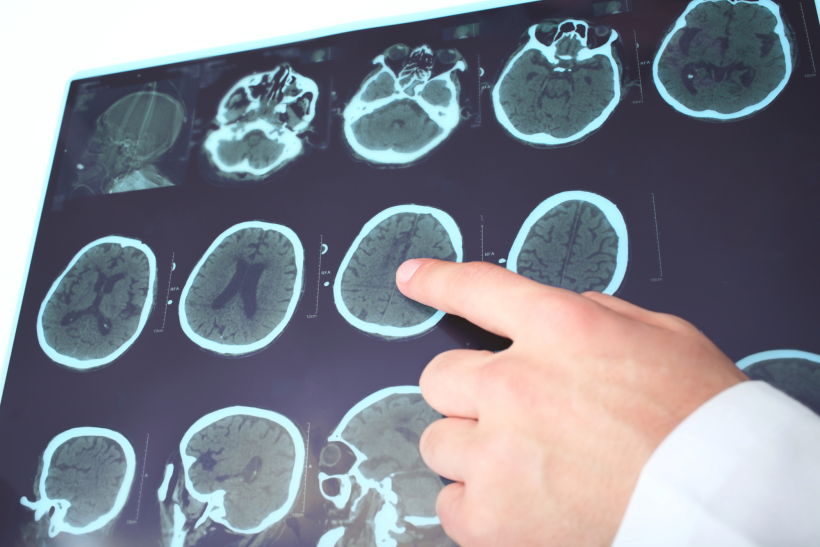
Research has been carried out to assess the efficacy of CBD in treating epilepsy. For example, a study published in the "New England Journal of Medicine" showed that a pharmaceutical cannabidiol reduced the frequency of seizures in children with Dravet syndrome, a rare and severe form of epilepsy. These trials led to the authorization of a medicine, Epidyolex, prescribed under medical supervision for Dravet and Lennox-Gastaut syndromes and for tuberous sclerosis complex (sclérose tubéreuse de Bourneville), in addition to other antiepileptic drugs.
For other forms of epilepsy, particularly refractory epilepsy in adults, data are more limited and do not allow any conclusion. Above all, these results concern a dosed and controlled medicine: they do not apply to freely sold CBD oils, whose actual content varies and which are not authorized for this use.
B. Medicine and store-bought CBD: why the difference matters
On the internet there are many testimonials from patients or parents who say they have seen seizures decrease with CBD oil. These accounts do not replace clinical trials, and self-medication carries real risks:
- Drug interactions
CBD alters the action of certain liver enzymes (cytochrome P450) that eliminate many medicines, including several antiepileptic drugs such as clobazam or valproate. Combined without supervision, it can increase their side effects or alter their efficacy. Liver damage and drowsiness have also been reported. That is why the cannabidiol-based medicine comes with monitoring, particularly of liver enzymes.
- A product whose exact composition is unknown
Freely sold CBD oils do not have the controlled quality of a medicine: their actual CBD content may differ from the label, and traces of THC are possible. For a child with severe epilepsy, only the neurologist can decide on a cannabidiol-based treatment, and will then prescribe the authorized medicine.
Never change, stop or add to an antiepileptic treatment without your doctor's advice: stopping abruptly can cause serious seizures.
III. CBD products and the law
A. The different CBD products and forms
CBD sold in stores comes in several forms: oils, capsules, balms and creams. None of them is a medicine. Products to be swallowed (food oils, capsules) are not authorized as food in the European Union (Novel Food Regulation (EU) 2015/2283), and their sale is illegal in France. Balms and creams are cosmetics, with no recognized therapeutic effect.
B. What about the dose?
The dose of a cannabidiol-based medicine varies according to the patient and is decided solely by the doctor, with appropriate monitoring. For freely sold CBD products, no dose has been validated in epilepsy: do not take any, and do not give any to a child, on your own initiative.
Pharmaceutical quality is essential: it is what guarantees an exact content and the absence of THC and contaminants, which no store-bought oil can ensure to the same level. If you are wondering about cannabidiol for yourself or a loved one, talk to your neurologist. CBD is not a medicine: if you have a health problem, ask a doctor for advice.

IV. Cannabidiol and epilepsy: a medicine, not a store product
Cannabidiol has proven itself as a medicine, prescribed and monitored, in certain rare and severe epilepsies. That does not make the CBD oil sold in stores a treatment for convulsions: it is neither dosed nor controlled like a medicine, and it can interact with antiepileptic drugs.
In France, the sale of hemp flowers and leaves is legal as long as their THC content does not exceed 0.3%, and CBD products to be swallowed are not authorized as food. If you are wondering about cannabidiol for yourself or for a loved one suffering from convulsions, always consult your doctor or neurologist.
It is important to remember that each person is unique and that the effects of CBD can vary from one individual to another. Patient associations, such as the French association Épilepsie-France, can help you find information and talk with other families, alongside medical follow-up.
Finally, bear in mind that research on CBD and its effects on epilepsy is constantly evolving. Scientists continue to study this compound to better understand its mechanism of action and to determine the best methods of administration and dosing for each patient. Keep up to date with the latest advances through your medical team, the only ones able to tell you whether a cannabidiol-based treatment is suitable for your situation.