CBD is attracting growing interest among both amateur and professional athletes. Many are interested in it in connection with recovery, stress or falling asleep, but studies in athletes remain rare and do not allow any conclusion to be drawn. CBD is neither a miracle solution nor a medicine.
In this article, we take stock of what CBD is, what distinguishes it from a doping substance, the state of research in athletes and the anti-doping rules that apply, along with the precautions to know.
I. CBD: what is it and how does it work?
You may be wondering what exactly CBD is and what research says about it in sports. Let's answer that question now.
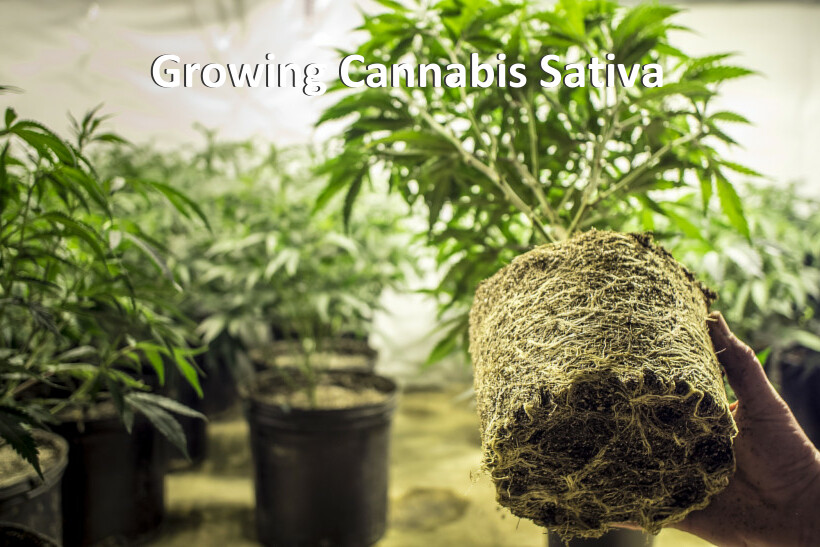
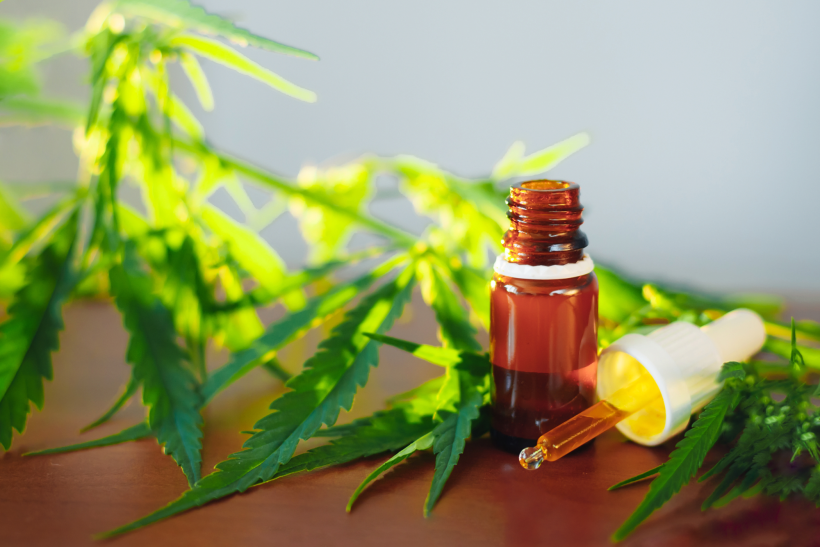
Cannabidiol, or CBD, is a substance found in hemp (Cannabis Sativa). Unlike its cousin tetrahydrocannabinol (THC), CBD has no psychoactive effects and therefore does not cause a "high". In other words, CBD does not alter the mind; its effects on the body are the subject of research.
To better understand how CBD works, imagine our body as an orchestra. Each instrument, or system, plays its own melody, and they all need to be in tune to create perfect harmony. Our endocannabinoid system (ECS) acts as the conductor, helping to regulate and balance the other systems of our body. CBD interacts with the ECS, although we do not yet know precisely with what consequences in humans.
So can the use of cannabidiol be considered a form of doping? To answer this question, it is essential to examine the differences between traditional doping and the use of CBD in a sporting context.
II. CBD versus doping: the essential differences
To fully grasp the differences between traditional doping products and the use of CBD, it is important to clarify what doping is:
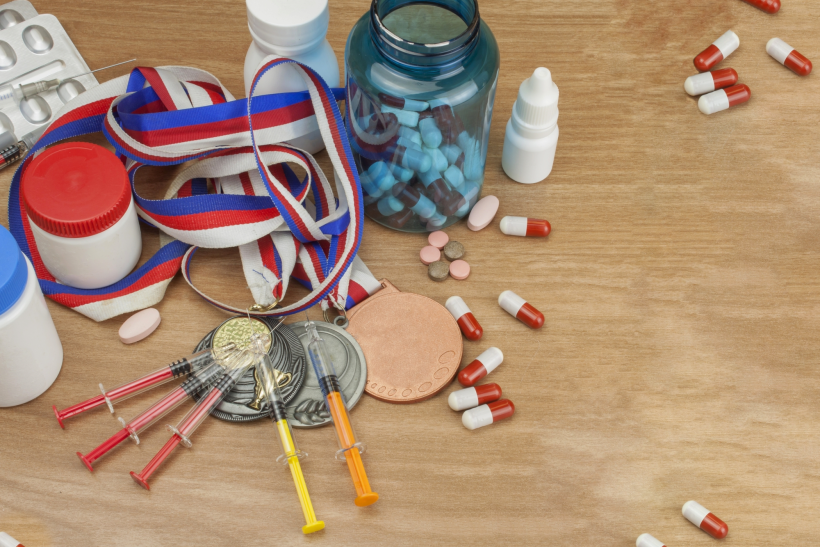
- Doping generally refers to the use of substances or methods banned by official organizations to artificially enhance an athlete's performance. These practices can have serious consequences for health and for the ethics of sport.
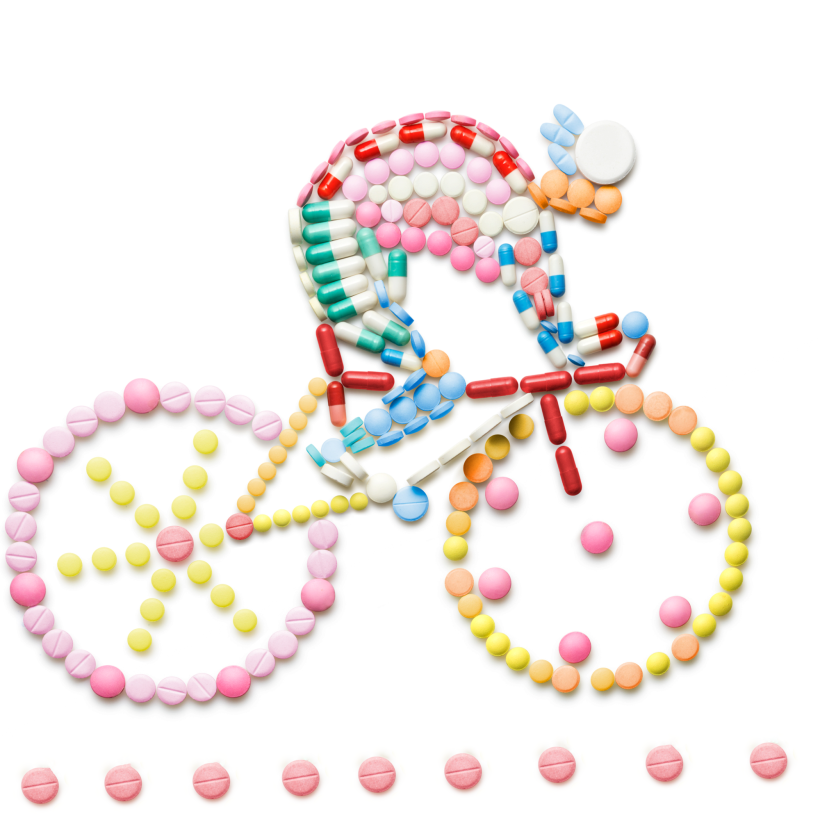
Let's now compare doping products and CBD using a simple analogy. Imagine doping as a sprinter who uses springs in their shoes to jump higher and run faster. The springs give them an unfair advantage and endanger their long-term health. CBD, for its part, is not on the list of prohibited substances, and no study has shown that it improves performance; studies on athletes' recovery, stress or sleep are still too few to draw conclusions.
Take the example of a triathlete who injures their shoulder. The right approach is to see a sports medicine doctor and a physical therapist, who will adapt the treatment and the return to training. CBD does not replace this care, and a prescribed treatment should never be given up in favor of a CBD product.
In short, CBD alone is not classified as a doping substance, but it has no demonstrated effect either on recovery or performance. Let's now examine what research is exploring.
III. CBD and athletes: what research is exploring
Like many athletes, a high-level gymnast faces daily challenges: muscle pain, stress, disrupted sleep. What do studies on CBD say in these areas?
Here are the main leads being studied, on small samples and with results that do not allow any conclusion to be drawn:
- Recovery: a few studies have looked at CBD and markers of inflammation or muscle soreness after exercise, with contradictory results.
- Stress management: Athletes are often under intense pressure, both physically and mentally. Studies, outside of sports and on small groups, are exploring the link between CBD and anxiety, without allowing any conclusion to be drawn.
- Sleep: a good night's sleep is crucial for athletes' recovery and performance. Studies on CBD and sleep give variable results, and drowsiness is one of its adverse effects.
Cannabidiol therefore remains a line of research, not a proven ally for athletes. But what do the anti-doping rules say about CBD? Let's look at this question more closely.
IV. Legislation and the position of official organizations
It is essential for athletes to know the position of sports bodies and the legislation in force concerning CBD. The World Anti-Doping Agency (WADA) is the authority that sets the rules on doping and prohibited substances.
On January 1, 2018, the World Anti-Doping Agency (WADA) removed cannabidiol alone from its list of prohibited substances. All other cannabinoids, including THC, remain prohibited in competition, and athletes are responsible for everything their sample contains: traces of THC present in a CBD product can be enough for a positive test. The WADA list is updated every year: check the version in force on the website of WADA or of the French Anti-Doping Agency (Agence française de lutte contre le dopage, AFLD) before any competition.
Federations and organizations that are signatories to the World Anti-Doping Code, such as the International Olympic Committee (IOC) or the International Basketball Federation (FIBA), apply this same list. Some disciplines have their own rules: in international equestrian sports, for example, cannabinoids, including CBD, are prohibited in horses.
The legislation around CBD may continue to evolve in the coming years, as research on this molecule progresses and attitudes change. In the meantime, an athlete subject to testing takes a real risk with any CBD product, since there is no absolute guarantee that it is free of THC.
V. Athletes and CBD: precautions
Now that you know more about CBD and sports, here are the precautions to know:
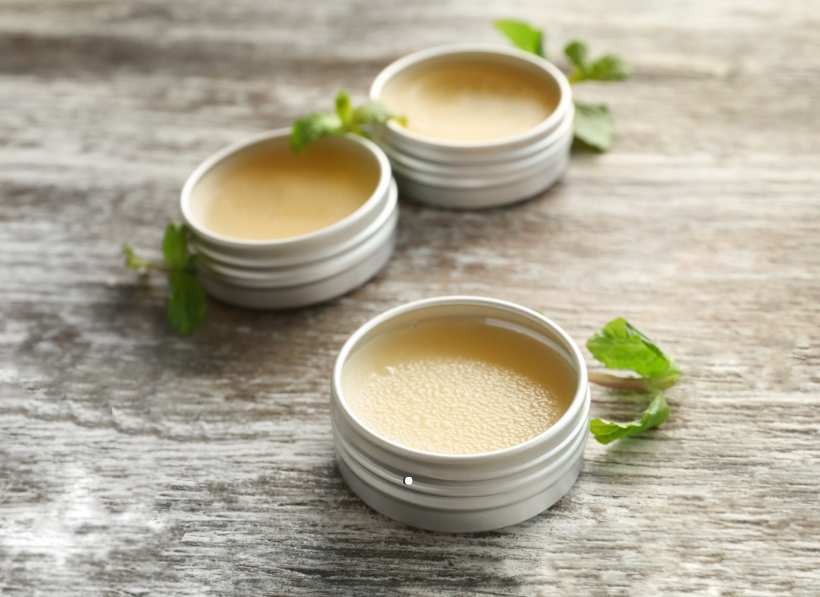
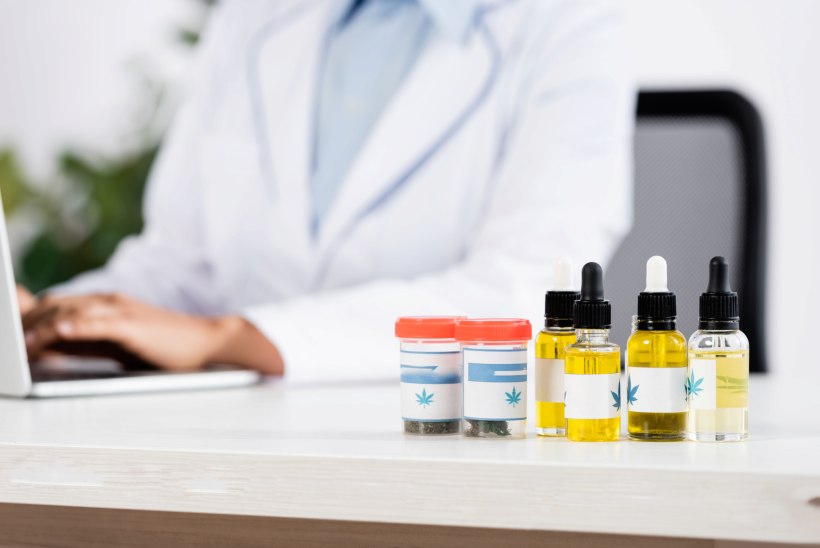
- Know the status of products: CBD oils, capsules, creams and gels are available. Oils to swallow and capsules are not authorized as foods in the European Union; creams and gels fall under cosmetics regulations, with no therapeutic effect claimed.
- No dosage, adverse effects: since CBD is not a medicine, no dosage can be recommended. CBD is not without risk: adverse effects have been reported (drowsiness, digestive problems, changes in liver enzymes at high doses) and it can interact with certain medicines.
- Talk to your doctor if you are taking medication or if you have a known illness; an athlete subject to testing can also ask their federation's doctor.
CBD does not replace training, sleep, nutrition or medical follow-up, which remain the real levers of recovery.
VI. CBD and sports: neither doping nor a miracle product
Today, we have taken stock of CBD in the sporting context. We have seen that CBD alone is not a substance prohibited by WADA, but that its effects on athletes' recovery, stress or sleep have not been demonstrated.
CBD is neither an alternative to prohibited substances nor a way to optimize performance. For an athlete subject to testing, the main risk lies in traces of THC and other cannabinoids, which are prohibited in competition.
Finally, CBD is not a medicine: if you have a health problem, ask a doctor for advice. Any sports-related pain or injury should be seen by a sports medicine doctor.
You are now informed about CBD and sports: anti-doping rules, the state of research and precautions. Before a competition, always check the list of prohibitions in force with WADA or the AFLD.