CBD is a compound extracted from hemp, a plant with many uses. Hemp has been used for millennia, and many virtues are attributed to CBD, although no health claim is authorized for it. In this article, we will take stock of what research says about CBD, sports and muscle gain, and of the rules to know, particularly regarding anti-doping.
I. CBD and sports: the leads being studied
A. Inflammation
Imagine that the inflammation in your body is a lit candle. The heat and light it gives off can be useful, but if they become too intense, they can cause damage. Studies, mostly carried out on animals, are exploring an anti-inflammatory effect of CBD. In athletes, the rare trials do not allow us to conclude that recovery after exercise is faster. Inflammation after training is, moreover, part of the normal process of muscle adaptation.
B. Recovery
CBD is often presented as a restorative balm to apply to the muscles after an intense session. Studies on recovery and muscle soreness are few and give mixed results. Famous athletes, such as the swimmer Michael Phelps, have promoted CBD products: a testimonial, even from a champion, is not proof.
C. Stress and anxiety
Take Marc, an amateur athlete with a passion for running. Marc trains regularly for marathons, but he is held back by his stress before competitions. A few trials on small samples are exploring an effect of CBD on anxiety, with no established conclusion, and none shows an improvement in performance. For Marc, mental preparation, pre-race routines and, if the anxiety is overwhelming, medical advice are the recognized approaches.

II. CBD and muscle gain
A. Sleep
Sleep is a crucial element of recovery and muscle growth. While you sleep, your body works hard to repair and rebuild the muscle fibers damaged during training. Sleep is one of the leads being studied for CBD, with no established result in humans. Nothing therefore allows us to state that CBD oil optimizes muscle gain in this way; regular hours and enough sleep remain the foundation.
B. Hormonal balance
Hormones play a key role in muscle gain and recovery, in particular cortisol, the stress hormone. An effect of CBD on cortisol has been mentioned in small, older studies, but no research shows that it creates a hormonal environment favorable to building muscle mass.
In summary, no study today demonstrates that CBD oil promotes muscle gain or improves athletic performance.
III. CBD and sports: the rules to know
A. The different forms of CBD
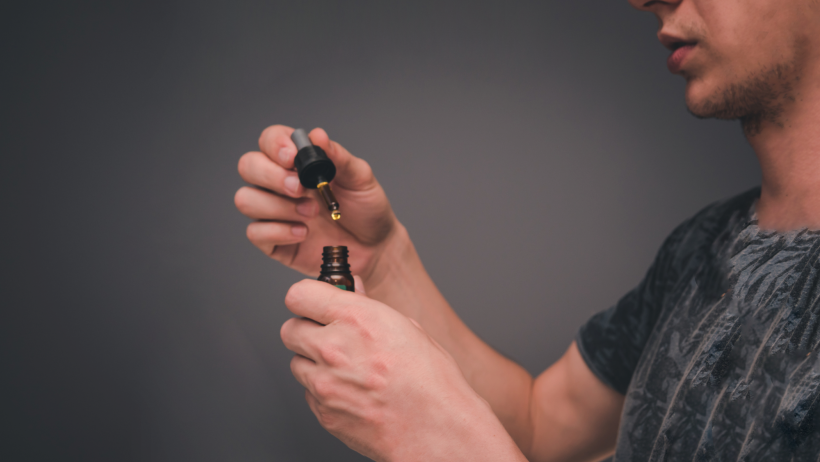
CBD is offered in several forms, but not all of them are legal: oils, capsules and gummies to swallow cannot be sold as foods. Products to swallow are not authorized as foods in the European Union (Novel Food Regulation (EU) 2015/2283), and their sale is illegal in France. Balms are cosmetics, with no recognized therapeutic effect.
B. Anti-doping: watch out for THC
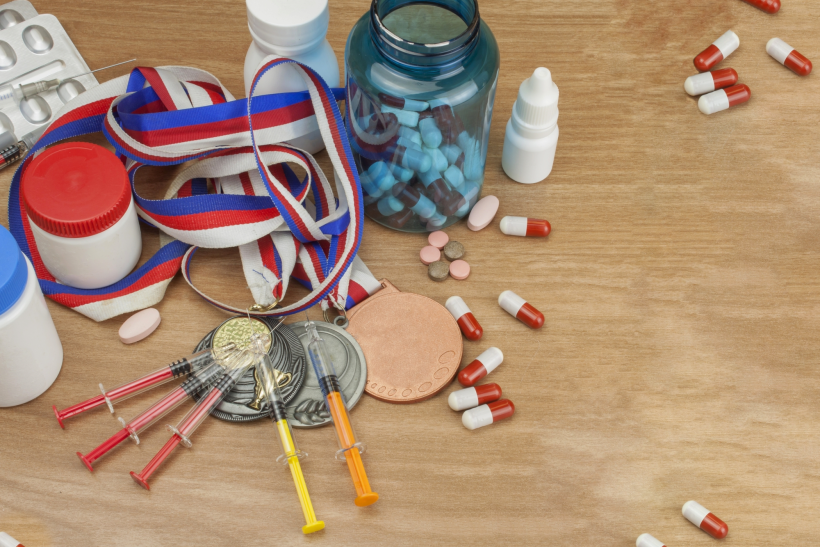
The World Anti-Doping Agency removed cannabidiol from its list of prohibited substances in 2018, but THC remains prohibited in competition: traces in a product can be enough for a positive test. CBD products are not medicines and their actual composition varies: an athlete subject to testing remains responsible for what they consume. No dose or frequency of use has been validated for sports.
C. Contraindications and precautions
Adverse effects have been reported (drowsiness, digestive problems, increased liver enzymes at high doses), as well as interactions with certain medicines. CBD is not recommended during pregnancy and breastfeeding. CBD is not a medicine: if you have a health problem, ask a doctor for advice. Also check the THC content in a laboratory test report.
IV. CBD and muscle gain: no demonstrated effect
CBD is attracting a lot of interest in the sports world, but its effects on inflammation, recovery, stress or hormones have not been demonstrated in athletes. To make progress and build muscle, nothing replaces progressive training, a protein-rich diet, sleep and recovery. And if you hold a sports license, keep in mind the risk of testing positive for THC.