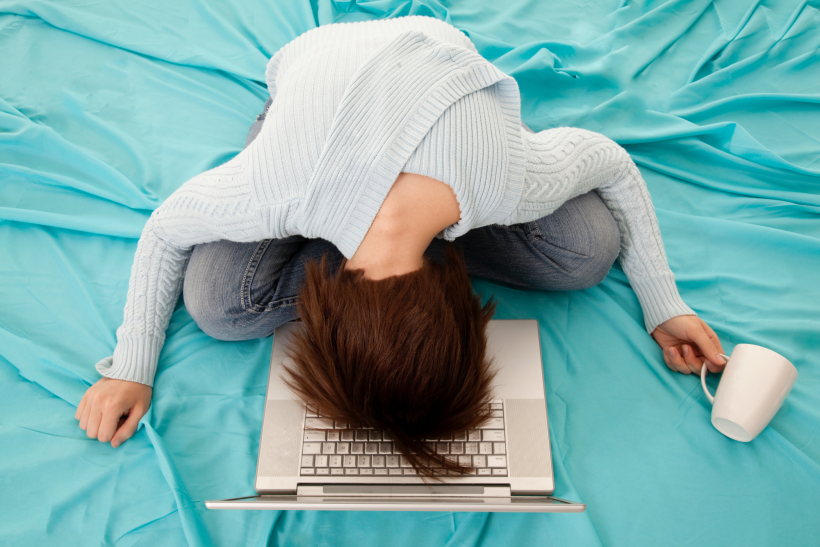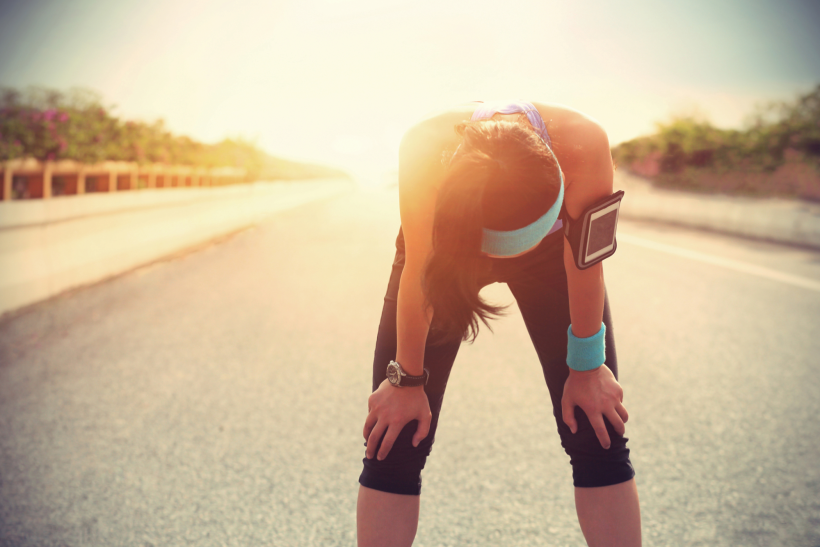
In this article, we introduce CBD, what studies on sports recovery are exploring, what distinguishes it from recognized recovery methods, and the precautions to know, particularly for athletes subject to anti-doping tests.
This article is aimed at amateur and professional athletes as well as fitness enthusiasts. CBD is not a medicine: if you have a health problem, ask a doctor for advice.
I. CBD and athletes: what are we talking about?
Imagine rest as the invisible pillar that supports your entire performance. Without adequate rest, your muscles and your body cannot function to their full potential. It is in this context that many athletes are interested in CBD, a natural compound extracted from hemp.
Cannabidiol, or CBD, is one of the many cannabinoids present in the hemp plant. Unlike its cousin THC, CBD does not cause psychoactive effects. That does not mean it is free of adverse effects. What do we know about its link with muscle recovery?
To answer this question, it is essential to understand the properties of CBD and its interactions with our body. Research is looking at its possible role in inflammation, pain and relaxation, most often in the laboratory or on small groups, with no results allowing a conclusion in athletes.
Why are so many athletes interested in it, and what does science really say? Let's look at this together.
II. CBD and recovery: the mechanisms studied
To understand why researchers are interested in CBD for recovery, imagine your endocannabinoid system as a harmonious orchestra, where each instrument has a specific role in maintaining your body's balance. Researchers are studying how CBD interacts with this orchestra, although we do not yet know whether it changes the music in humans.
The endocannabinoid system is responsible for regulating various bodily functions, such as pain management, inflammation and sleep. That is why studies are looking at CBD, inflammation and muscle soreness after exercise; their results are contradictory and do not allow any conclusion to be drawn.
Sleep, which is essential to allow the body to regenerate after intense physical effort, is also the subject of studies on CBD, with variable results. Drowsiness is, moreover, one of its adverse effects.
Well-known athletes say they use CBD. A testimonial, even a famous one, does not prove an effect: it does not make it possible to distinguish the action of the product from a placebo effect or from the other elements of recovery.
III. CBD compared with other recovery methods
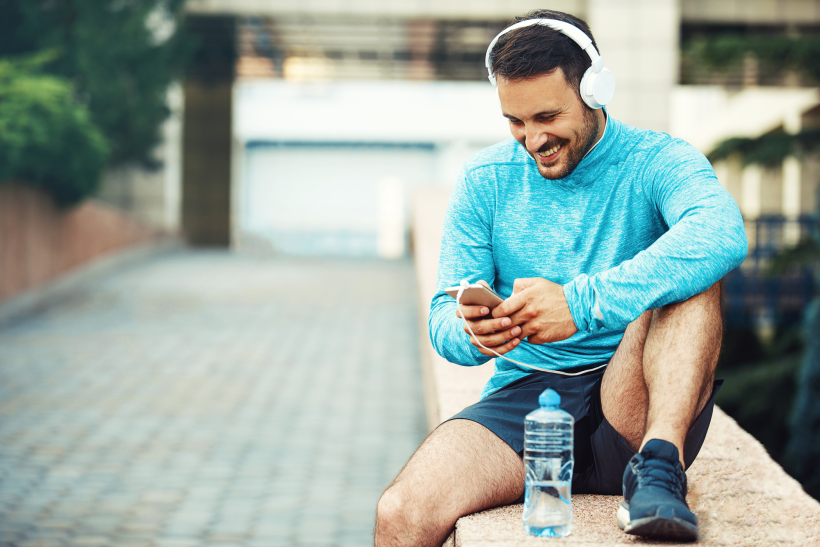
In the sports world, various recovery solutions are offered, ranging from conventional medicines to massage and stretching. Where does CBD stand in relation to these methods?
Take the example of an amateur runner who often suffers from muscle pain after training. The recognized levers are rest, appropriate hydration and nutrition, sleep, a progressive training load, gentle stretching and, if needed, massage or physical therapy.
CBD, for its part, has no demonstrated effect on muscle pain or sleep. It does not cause dependence, but it has possible adverse effects and can interact with certain medicines. Pain that persists or recurs should lead you to see a doctor, as it may signal an injury.
In short, CBD is not a proven alternative to recognized recovery methods, and nothing allows us to state that it improves performance.
IV. CBD products and their status
If you are considering a CBD product, it is useful to know what the regulations say.
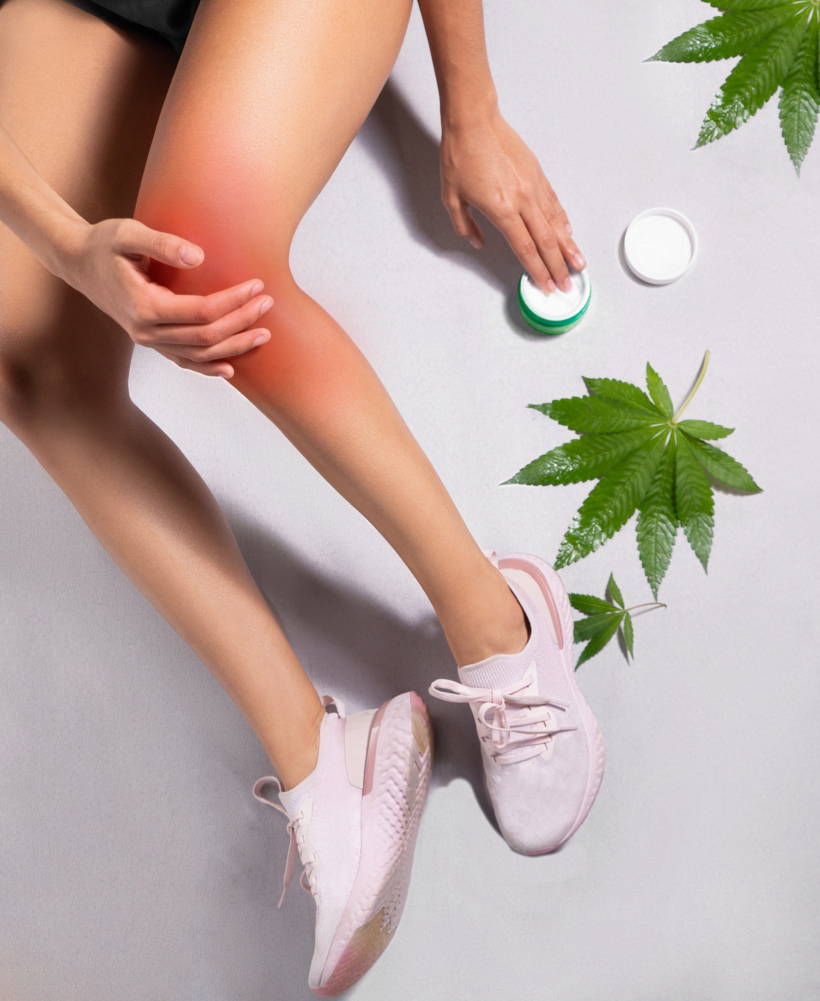
CBD comes in various forms: balms, but also oils to swallow, capsules or gummies, which are not authorized. In France and in the European Union, foodstuffs enriched with CBD (oils to swallow, capsules, gummies, drinks, foods) are not authorized, as CBD has not been authorized as a novel food. Creams and balms fall under cosmetics regulations: they can be used for massage, but cannot claim any effect on pain.
For an authorized product, check the laboratory analyses (CBD content, THC below 0.3%, absence of contaminants) and be wary of any product that promises an effect on recovery: this is prohibited.
Since CBD is not a medicine, no dosage can be recommended. CBD is not without risk: adverse effects have been reported (drowsiness, digestive problems, changes in liver enzymes at high doses) and it can interact with certain medicines.
For an athlete subject to testing, particular caution is needed, as we will see.
V. Precautions to take
Before any use of CBD, it is important to take certain precautions into account and to be aware of its limits.
First of all, find out about the legality and regulation of CBD in your country or region. In France, CBD is not classified as a narcotic and the sale of hemp flowers and leaves with less than 0.3% THC is permitted, but CBD foodstuffs are not. Rules vary from country to country: check them, especially if you are traveling outside the European Union. On the sports side, the World Anti-Doping Agency removed cannabidiol alone from its list in 2018, but THC and the other cannabinoids remain prohibited in competition: traces in a CBD product can be enough for a positive test.
Consult your doctor before using CBD-based products, especially if you are taking medication or have specific health problems. CBD is not recommended during pregnancy and breastfeeding, and traces of THC can lead to a positive roadside drug test.
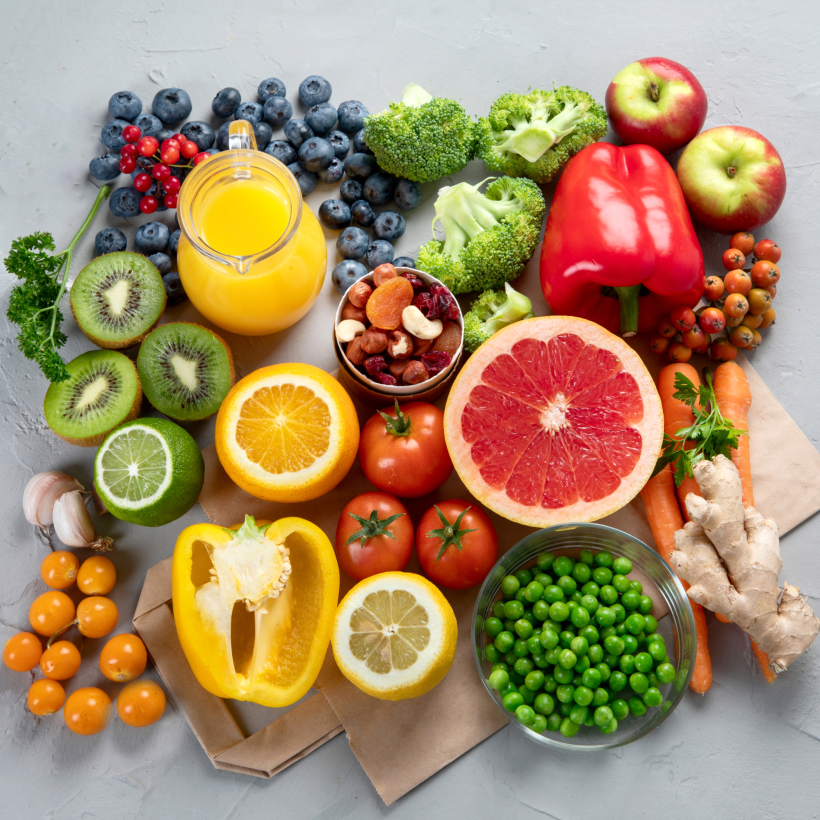
Finally, remember that CBD is not a miracle solution and that its effectiveness on recovery has not been demonstrated. The real foundations of recovery remain a balanced diet, stretching, enough sleep and an appropriate training load.
By keeping these precautions in mind, you will be able to make informed choices for your athletic life.
CBD and recovery: a lead, not a recognized method
In summary, CBD, a compound extracted from hemp, is of interest to many athletes and researchers, who are studying its possible role in inflammation, pain, sleep and relaxation. Current results do not allow any effect on recovery to be attributed to it.
Recognized recovery methods (sleep, nutrition, hydration, stretching, physical therapy) remain the reference, and nothing shows that CBD improves performance.
Do not forget the necessary precautions: adverse effects, drug interactions, product status and the anti-doping risk linked to THC. CBD is not a medicine: if you have a health problem, ask a doctor for advice.
To optimize your recovery and push your limits, the advice of a sports medicine doctor or a physical therapist remains the best investment.