I. Circulatory disorders
A. Description of the condition
-
What is a blood circulation disorder?
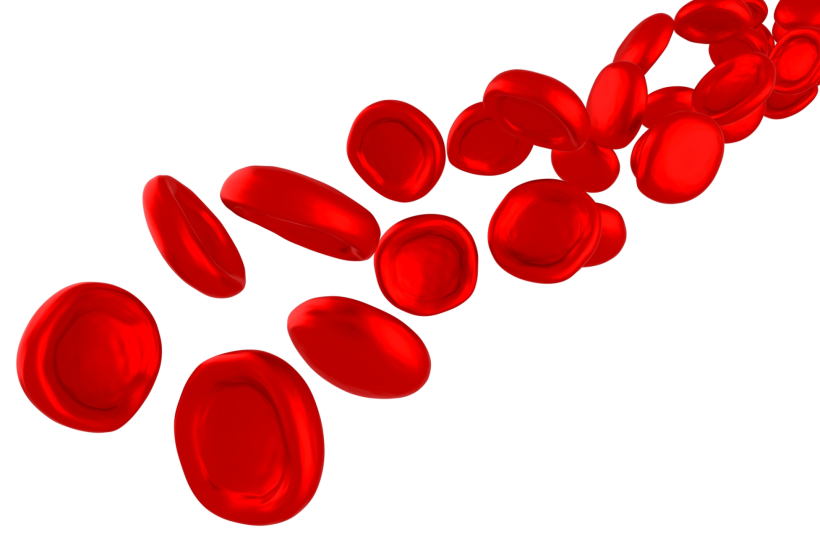
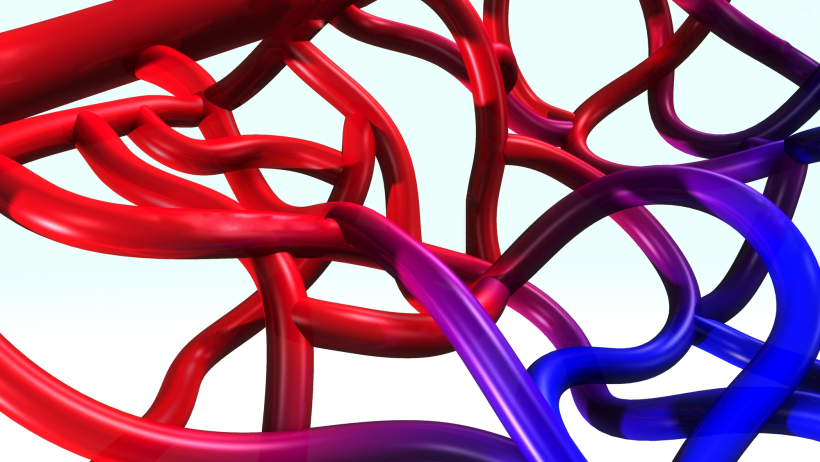
It is a condition that affects blood flow through the arteries and veins, hindering the ability of blood to circulate properly and to deliver the oxygen and nutrients needed by organs and tissues. This type of disorder can affect local circulation (in a specific area of the body) or systemic circulation (throughout the body). Blood circulation disturbances can take different forms, such as high blood pressure, venous insufficiency, peripheral artery disease or venous thrombosis.
-
Causes and risk factors
Circulatory system problems can be caused by various factors, such as high blood pressure, obesity, smoking or diseases like diabetes and atherosclerosis. Aging, a sedentary lifestyle and family history can also play a role in the onset of these disorders.
-
Symptoms
The symptoms of this condition vary depending on the cause and severity of the condition. They may include:
- Heavy or restless legs
- Swelling (edema) in the extremities
- Varicose veins and visible veins
- Muscle pain and cramps
- Numbness and tingling
- Skin ulcers and slow healing
- Cold sensation in the hands and feet
-
Diagnosis
To diagnose this problem, a doctor usually performs a complete clinical examination and an assessment of the patient's medical history. Further tests, such as Doppler ultrasounds, angiographies or blood tests, may also be carried out to determine the precise cause of the circulatory problems.
B. Conventional treatments
-
Medications and therapies
The treatment of circulatory disorders depends on the underlying cause. Therapeutic options include:
- Antihypertensive drugs to lower blood pressure
- Vasodilators to improve blood flow
- Anticoagulants to prevent the formation of blood clots
- Anti-inflammatory drugs to reduce inflammation and pain
- Medical compression (stockings, socks, pantyhose) to stimulate venous return
- Stress reduction therapies and relaxation techniques to improve cardiovascular health
-
Limitations and side effects
Like any treatment, these medications can cause adverse effects: antihypertensives, for example, can cause dizziness, fatigue or headaches. If you experience any, talk to your doctor, who can adjust the treatment; never stop it on your own.
II. CBD: a cannabinoid with many facets
A. Introduction to CBD
-
Origin and extraction
CBD, or cannabidiol, is a natural compound extracted from the cannabis plant, more precisely from industrial hemp, a legal variety of cannabis (Cannabis Sativa) with a low THC content. CBD is one of the many cannabinoids present in the cannabis plant, but unlike THC, it does not cause psychotropic effects; in France, its sale is permitted when it comes from authorized hemp varieties, with less than 0.3% THC (French Council of State (Conseil d'État), December 29, 2022, no. 444887). CBD can be extracted by various methods, such as supercritical CO2 extraction or solvent extraction.
-
Forms and methods of consumption
CBD comes in different forms, but not all of them are permitted in France:
- Hemp flowers and leaves from authorized varieties: sale permitted
- CBD oils and tinctures to swallow: foodstuffs not authorized for sale
- CBD capsules, tablets and gummies: foodstuffs not authorized for sale (Novel Food Regulation (EU) 2015/2283, press release from the French Ministry of Agriculture of May 20, 2026)
- CBD creams and balms: cosmetics, with no therapeutic effect
- Hemp seed oil, with no added CBD: permitted food
B. The endocannabinoid system
-
How it works and its role
CBD acts by interacting with our endocannabinoid system (ECS), a complex network of receptors and neurotransmitters present throughout our body. The ECS plays a crucial role in regulating many physiological functions, such as pain, inflammation, sleep, appetite, mood, memory and cardiovascular health. The main ECS receptors, called CB1 and CB2, are found in the brain, organs, tissues, glands and immune cells.
-
Interaction of CBD with the ECS
CBD modulates the activity of the ECS by increasing the levels of natural endocannabinoids (such as anandamide) and by interacting with other non-cannabinoid receptors (such as the TRPV1 and 5-HT1A receptors). These interactions are being studied, but their consequences for health, including for circulation, remain to be established.

III. CBD and circulatory disorders: the state of research
A. Blood vessels and blood pressure
-
Blood vessels: laboratory observations
Laboratory studies on isolated animal arteries have observed a vasodilatory effect of CBD, that is, a relaxation of the blood vessels. These observations do not allow us to conclude that circulation improves in humans.
-
Blood pressure: limited data
A few small studies in humans have observed a one-off drop in blood pressure after a single intake of CBD, notably in healthy volunteers. Nothing allows us to infer a lasting effect in people with hypertension: hypertension is managed with a doctor, and CBD does not replace any antihypertensive drug.
B. Inflammation and pain
-
Pain: little data
Studies, mostly preclinical, are exploring the effects of CBD on inflammation and pain; none of them allows us to say that it eases cramps, leg pain or burning sensations linked to a circulatory disorder. These symptoms must be shown to a doctor.
-
Vascular inflammation: laboratory leads
Animal studies are looking at the role of CBD in the inflammation of blood vessels, in connection with atherosclerosis; these results do not show that it prevents complications in humans.
C. Heart and cardiovascular health
-
Heart: preclinical studies
Animal studies have explored an effect of CBD during ischemia of the heart muscle (lack of oxygen) or rhythm disorders. This preclinical work does not allow us to say that CBD protects against heart disease or strokes. CBD can also interact with heart medications, in particular anticoagulants.
-
Managing stress and anxiety
Stress and anxiety can have a negative impact on cardiovascular health, notably by increasing blood pressure and promoting inflammation. Studies are exploring the effects of CBD on anxiety, without allowing any conclusion; nothing shows that it reduces the risk of circulatory disorders. Physical activity, sleep and relaxation techniques remain the recognized levers.
D. User testimonials and experiences
Some CBD users with circulatory disorders say they feel an improvement. These testimonials remain individual impressions, which do not replace controlled studies; the placebo effect can play a large part in them.
E. What the studies say
- Research on the effects of CBD on the condition
Research remains preliminary. For example, a small study published in JCI Insight (2017) observed a one-off drop in blood pressure in 9 healthy volunteers after a single intake of CBD. Other work, mostly in animals, is exploring an effect on inflammation and vascular damage, such as atherosclerosis. None of it allows us to conclude that there is an effect in patients.
F. Precautions
-
Check that the product is compliant
In France, a CBD product must come from authorized hemp varieties and contain less than 0.3% THC. Certificates of analysis (COA) issued by independent laboratories make it possible to check the CBD and THC content and the absence of contaminants; they do not guarantee any health effect.
-
Consult your doctor
CBD is not a medicine and does not treat circulatory disorders. If you are on medication (anticoagulant, antihypertensive...), CBD may interact with it: always ask your doctor for advice before any use.
-
No reference dose
No dose of CBD is recognized for an effect on circulation. Adverse effects have been reported (drowsiness, digestive problems, increased liver enzymes at high doses); CBD is not recommended during pregnancy and breastfeeding.

IV. Taking care of your circulation every day
A. Keep moving
Walking, cycling or swimming promote venous return and cardiovascular health; even moderate, regular activity counts.
B. Adopt the right habits
A few simple habits help circulation:
- Quit smoking, with the help of your doctor or of Tabac Info Service (the French smoking cessation service) if needed.
- Raise your legs when resting and wear the compression prescribed by your doctor.
- Monitor your blood pressure and follow the prescribed treatments.
C. Listen to your body
Swollen legs, pain in a calf, shortness of breath or chest pain: these signs call for a prompt consultation, and an emergency call (15 in France) if they are sudden.
V. Blood circulation: medical follow-up first
Circulatory disorders can cause a variety of unpleasant symptoms and increase the risk of serious complications, such as heart disease and strokes. Research on CBD in this field remains preliminary, carried out mostly in animals or on small groups: it does not allow any effect on circulation, pain or inflammation to be attributed to it.
CBD is not a medicine and does not replace any treatment. The basics remain medical follow-up, physical activity, quitting smoking and a balanced diet; if you are considering CBD, talk to your doctor first, especially if you are taking an anticoagulant or an antihypertensive.