Understanding fat and weight gain
2.1 Fat: definition and role in the body
Fat, also called adipose tissue, is made up of cells that store energy in the form of lipids. It plays several essential roles in our body:
- Energy reserve: Fat acts as a source of energy for the body, particularly when it runs short of carbohydrates.
- Thermal insulation: Fat protects us from the cold by trapping heat in our body.
- Protection of organs: Fat surrounds and protects our internal organs, such as the kidneys and the heart, from shocks and injuries.
2.2 Why we gain weight or fat
Weight gain is often the result of an imbalance between the number of calories consumed and those burned. Several factors can contribute to this situation:
- Genetics: Some individuals are more likely to gain weight because of their genetic make-up.
- Metabolism: A slow metabolism can make it harder to burn calories and encourage weight gain.
- Diet: A diet rich in calories, sugar and fat can lead to weight gain.
- Sedentary lifestyle: Lack of physical activity makes it difficult to burn calories and encourages fat to accumulate.
- Stress and sleep: Stress and lack of sleep can lead to hormonal changes that encourage weight gain.
2.3 How to lose weight and burn fat
Losing weight and reducing body fat generally involve two key steps:
- Changing your diet: Adopting a balanced diet, rich in vegetables, fruit, lean proteins and healthy fats, and low in sugar and processed foods, is essential to encourage weight loss.
- Increasing physical activity: Regular cardiovascular and muscle-strengthening exercise burns calories, increases metabolism and stimulates lipolysis.
When these measures are not enough, it is a doctor or a dietitian you should turn to. CBD, for its part, is being studied in this field, but has not proven any effect on weight: work, mainly in animals or in cells, explores its action on fat cells (lipolysis, "browning" of adipocytes), without allowing any conclusion in humans.
CBD: definition, forms and legislation
3.1 What is CBD?
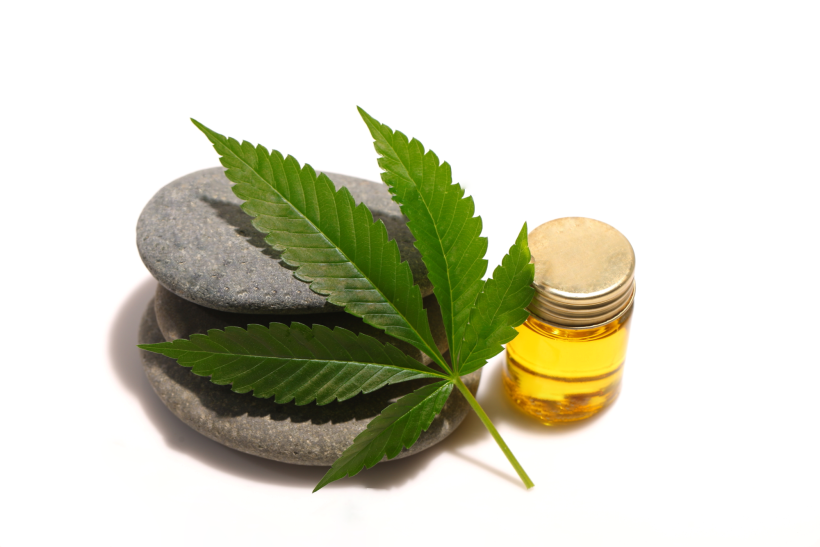
CBD, or cannabidiol, is a natural compound found in the cannabis plant. Unlike other compounds, such as THC, CBD has no psychotropic effect, and its sale is permitted in France when it comes from authorized hemp varieties. CBD is extracted from the flowers, leaves and stems of the cannabis plant and is then processed into various products.
3.2 The different forms of CBD available
CBD products come in various forms, but not all of them are permitted in France:
-
Oils: CBD oils are obtained by mixing CBD extract with a carrier oil, such as coconut oil or olive oil. A CBD oil to be swallowed, under the tongue or in food and drinks, is a CBD foodstuff, not authorized for sale in France (Novel Food Regulation (EU) 2015/2283, press release from the French Ministry of Agriculture of May 20, 2026).
-
Capsules: CBD capsules are to be swallowed; they too are foodstuffs, not authorized for sale in France.
-
Creams and balms: CBD creams and balms are cosmetics applied to the skin; they have no recognized effect on fat or on pain.
-
Gummies: CBD gummies are chewable CBD candies, and therefore foodstuffs not authorized for sale in France, whatever their flavor and concentration.
3.3 Legislation and product quality
Legislation on CBD varies from one country to another. In France, the sale of products from authorized hemp varieties, including flowers and leaves, is permitted when their THC content is below 0.3% (French Council of State (Conseil d'État), December 29, 2022, no. 444887); THC is the psychoactive compound in cannabis. CBD foodstuffs, however, are not authorized for sale. A compliant product clearly states its CBD and THC content.
Independent laboratory analyses make it possible to check these levels and the absence of contaminants (pesticides, solvents, heavy metals); they say nothing, however, about any effect on weight.
In summary, CBD is not a weight-loss product: no health claim is authorized for CBD, and research on weight is in its early days. Side effects have been reported (drowsiness, digestive problems, raised liver enzymes at high doses), as well as interactions with certain medicines.
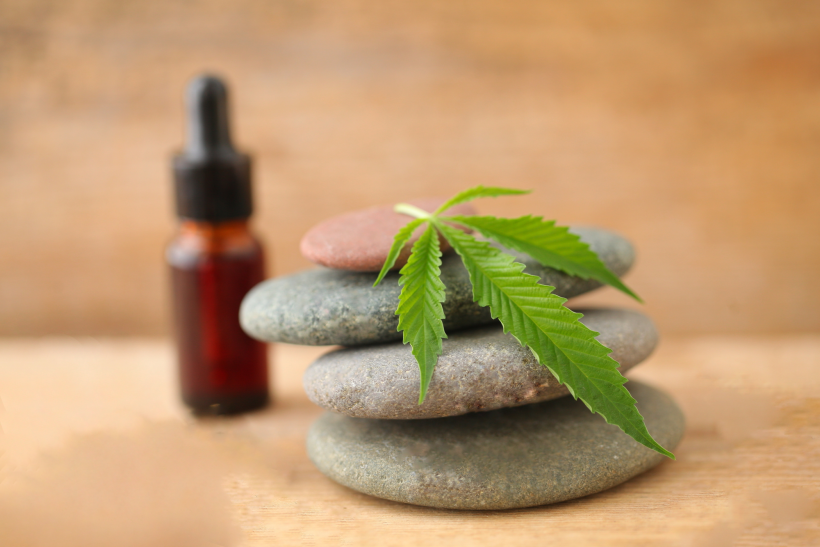
CBD and lipolysis: the recognized foundations for losing weight
Research on CBD and lipolysis remains preliminary and does not allow any effect on weight loss or fat elimination to be attributed to it. A balanced diet, regular physical activity, good sleep and, if necessary, support from a doctor or a dietitian remain the recognized foundations for losing weight in a lasting way.