Can you imagine being a prisoner of your own body, suffering uncontrollable movements and unbearable pain? Terrible, isn't it? Unfortunately, this is the daily life of many people with dystonia. Some patients wonder about CBD, a much-talked-about component of hemp. In this article, we present dystonia, its treatments, and what research really says about CBD in this area, in conditional terms and with no promises. CBD is not a medicine: if you have a health problem, ask a doctor for advice.
I. Dystonia: symptoms, diagnosis and treatments
A. Symptoms of dystonia
Dystonia is a complex disorder that shows itself in different ways in the individuals affected. The most common symptoms include:
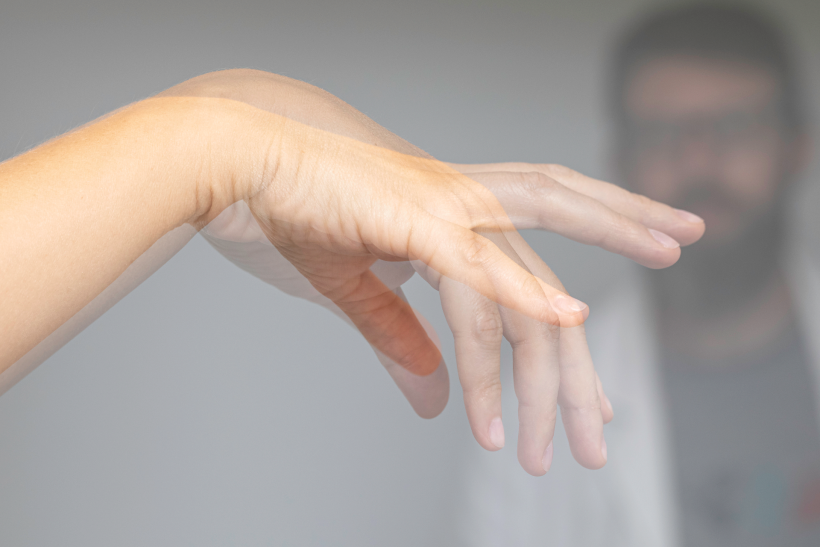
- Involuntary and sustained muscle contractions, causing repetitive movements or abnormal postures
- Tremors, particularly when performing precise movements
- Muscle cramps and pain
- Difficulty speaking, chewing or swallowing
The symptoms can affect different parts of the body, such as:
- The limbs (focal dystonia)
- The neck (spasmodic torticollis)
- The eyelids (blepharospasm)
- The voice (spasmodic dysphonia)
The severity and frequency of symptoms can vary considerably from one patient to another and change over time.
B. Diagnosis of dystonia
Diagnosing dystonia can be a complex process because of the diversity of symptoms and the variability between patients. Doctors generally rely on the following elements to make a diagnosis:
- Clinical examination: the doctor will assess the patient's symptoms, medical and family history, and the course of the disease.
- Neurological tests: these tests assess motor function, coordination and balance, in order to identify the areas affected by dystonia.
- Medical imaging: examinations such as MRI or CT scans can be used to rule out other possible causes of the symptoms.
- Genetic tests: in some cases, genetic tests may be carried out to identify a possible genetic predisposition to dystonia.
C. Treatments for dystonia
Conventional treatments for dystonia mainly aim to relieve symptoms and improve patients' quality of life. The treatment options include:
- Medicines: several types of medicines can be prescribed to treat dystonia, such as muscle relaxants, anticholinergics or benzodiazepines. However, these medicines can have unwanted side effects and are not always effective.
- Botulinum toxin injections: botulinum toxin (Botox) is often used to treat certain forms of dystonia, by blocking the nerve signals that cause muscle contractions. The injections must be repeated regularly to maintain their efficacy.
- Rehabilitation: rehabilitation therapies, such as physical therapy, occupational therapy or speech therapy, can help patients manage their symptoms better and improve their mobility and quality of life.
- Surgery: in the most severe cases of dystonia, surgery may be considered. Surgical options include deep brain stimulation (DBS), which involves implanting electrodes in the brain to modulate the activity of the areas responsible for abnormal movements. Selective peripheral nerve surgery is another option, which consists of cutting or destroying the nerves responsible for involuntary muscle contractions.
- Alternative approaches: complementary treatments, such as acupuncture, biofeedback or meditation, can be used alongside conventional treatments to help patients manage their stress and symptoms better.
However, it is important to note that these treatments do not cure dystonia and only treat the symptoms. Patients and health professionals are therefore constantly looking for new therapeutic options for this complex disorder. CBD is one of the avenues being studied, without any effect having been demonstrated to date.
II. CBD: what are we talking about?
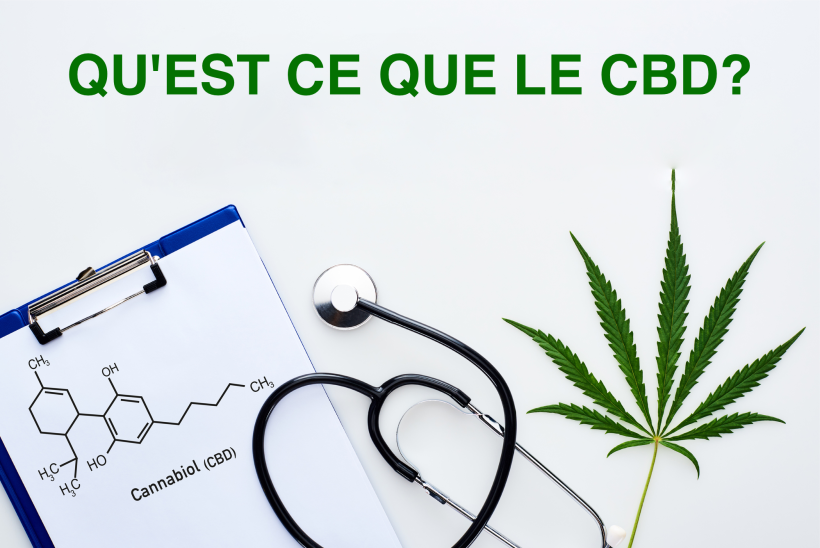
CBD, or cannabidiol, is a compound found in hemp (Cannabis Sativa), which has gained in popularity in recent years; it does not cause psychotropic effects. Unlike THC, CBD does not alter consciousness and does not lead to dependence. CBD-based products come in different forms (oils, capsules, gummies, creams), but not all of them are authorized. In France and in the European Union, foodstuffs enriched with CBD (oils to be swallowed, capsules, gummies) are not authorized: CBD has not been authorized as a novel food (Regulation (EU) 2015/2283).
III. CBD and dystonia: what research says
Studies on CBD and dystonia are very few in number: a few old observations on small groups of patients and work in animals, whose results do not allow any conclusion. Why are researchers interested in it? The human body has an endocannabinoid system (ECS) that interacts with cannabinoids such as CBD. The receptors of the ECS are involved in regulating pain, inflammation and motor function, which explains researchers' interest in CBD in this area.
Patient testimonials are circulating, but a testimonial does not make it possible to distinguish the effect of a product from a placebo effect or from the natural course of the symptoms. Only rigorous clinical trials could settle the question.
IV. Anxiety, stress and sleep: other avenues of research
CBD is also being studied in connection with anxiety, stress and sleep, which often weigh on the quality of life of patients with dystonia. Here again, the results do not allow any conclusion, and these difficulties should be discussed with the neurologist or primary care doctor.

V. CBD and dystonia: the precautions
As CBD is not a medicine, no dosage can be recommended for dystonia. CBD is not without risk: side effects have been reported (drowsiness, digestive problems, changes in liver enzymes at high doses) and it can interact with certain medicines. In particular, it can increase the drowsiness linked to the benzodiazepines or muscle relaxants sometimes prescribed for dystonia. Never stop or change a treatment without your neurologist's advice.
VI. Frequently asked questions about CBD and dystonia
1. Is CBD legal?
Legislation varies from country to country. In France, CBD is not classified as a narcotic and the sale of hemp flowers and leaves with less than 0.3% THC is permitted (French Council of State (Conseil d'État), December 29, 2022); on the other hand, CBD foodstuffs are not authorized, and no health claim is permitted. Check the laws in force in your country.
2. How can you recognize a serious CBD product?
A serious product provides independent laboratory analyses (CBD level, THC below 0.3%, absence of contaminants) and promises no health effect. A product that claims to relieve dystonia or states a dosage does not comply with the law.
3. Does CBD have side effects?
Yes: drowsiness, fatigue, digestive problems, changes in liver enzymes at high doses. It is not recommended during pregnancy and breastfeeding, and traces of THC can lead to a positive roadside drug test.
4. Can CBD be combined with other treatments for dystonia?
CBD can interact with certain medicines, by acting on liver enzymes (cytochromes P450). You must consult your doctor before any combination.
VII. Dystonia: the neurologist first, CBD in question
CBD is one of the avenues research is exploring in dystonia, but current data are too limited to recognize any effect. The management of dystonia relies on the neurologist: medicines, botulinum toxin, rehabilitation and, in some cases, surgery. CBD is not a medicine: if you have a health problem, ask a doctor for advice.