Getting behind the wheel after using a CBD oil exposes you to two separate risks: possible drowsiness at high doses and, above all, a positive THC test, since most CBD-based products contain a trace of this substance. Under French law, the slightest presence of THC in saliva is enough to constitute the offense, whatever the amount consumed.
Does CBD cause drowsiness behind the wheel?
CBD (cannabidiol) is not a narcotic and does not produce the psychotropic effect of THC, but it can make you drowsy. The patient leaflet for Epidyolex, a cannabidiol-based medicine prescribed for certain rare forms of epilepsy, lists drowsiness among its very common side effects (more than one person in ten) and recommends not driving until you know how you react to the treatment. These data concern medicinal doses, calculated according to the patient's weight under medical supervision, far removed from the content of products sold in stores; they are a reminder that cannabidiol is not a neutral substance as far as alertness is concerned.
The fatigue felt depends on the amount absorbed, the route of exposure and the individual. In France, CBD foodstuffs (oils to swallow, capsules, drinks) may not be sold, since cannabidiol has not been approved as a novel food in the European Union. Combining it with alcohol, a sleeping pill or an anti-anxiety drug strengthens the sedative effect: the list of known side effects of cannabidiol also mentions reduced appetite, digestive problems and dry mouth. CBD is not a medicine: if you are under treatment, have a sleep disorder or have any doubt about your alertness, ask a doctor or pharmacist for advice before getting behind the wheel.
What studies on driving under CBD measure
Clinical trials on CBD and driving are still few, but two Australian studies are considered benchmarks. In 2020, a team from the University of Sydney published a trial in the journal JAMA, conducted on a simulator and on real roads: vaporized cannabis rich in CBD and low in THC did not impair road handling, whereas the THC-heavy versions degraded the vehicle's trajectory for several hours. In 2024, the same team tested oral cannabidiol at doses of up to 1,500 mg and found no measurable effect on simulated driving or on the participants' concentration.
These results, obtained from small samples, are not enough to draw conclusions about the specific effect of CBD behind the wheel. The volunteers received a product controlled in the laboratory, whereas a product sold in a store may contain more THC than stated on the label. The studies also measure an average: a sensitive person, someone who is tired or who drinks alcohol may experience a drop in alertness that the trial does not capture. Drowsy driving remains an accident factor recognized by French road safety authorities (Sécurité routière), whatever its cause.
Why a CBD product can make you test positive for THC
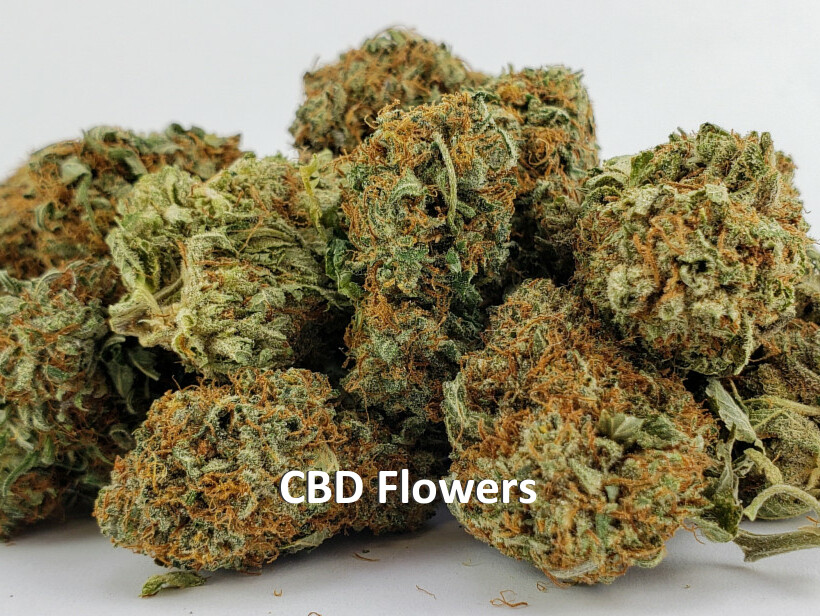
A CBD product sold in France comes from hemp varieties whose THC content does not exceed 0.3%. This threshold allows the product to be sold, but it does not mean zero: a so-called full-spectrum oil retains all of the plant's cannabinoids, THC included, and a flower or resin also contains a small amount. Only a purified isolate aims for a total absence of THC, so the difference between full-spectrum oil, broad-spectrum oil or isolate has a direct bearing on the risk of a positive test.
THC is stored in the body's fat and is eliminated slowly. Regular use can leave detectable traces for several days, and the time frame varies with frequency of use, body build and metabolism: no official source sets a safe period after which it would be possible to drive without risk. Smoking a CBD flower also raises the THC concentration in saliva faster than an oil does, since the product passes directly through the mouth.
What the law says about cannabis, CBD and driving
Article L235-1 of the French Traffic Code (code de la route) penalizes driving after using substances classified as narcotics, including THC and cannabis. Unlike for alcohol, the text sets no threshold. On June 21, 2023 (appeal no. 22-85.530), the French Court of Cassation (Cour de cassation) confirmed this reading: the offense is established as soon as the analysis reveals THC, "regardless of the dose absorbed", even if the driver claims to have consumed only legally purchased CBD. The fact that cannabidiol can be freely sold in France therefore does not protect a motorist who tests positive.
On January 16, 2025, in response to written question no. 00463 from Senator Serge Mérillou (JO Sénat), the Ministry of the Interior stated that the Government does not intend to change the law on this point. Some courts of appeal have handed down diverging decisions, but the position of the Court of Cassation remains the one that applies. The framework for sales and the THC thresholds are detailed in CBD legislation in France.
The 2025 ministerial answer puts it bluntly: drivers should not get behind the wheel after consuming CBD. The word "legal" on a package refers to the sale, never to driving.
Penalties for a positive THC test
A driver who tests positive for THC faces the following penalties, set by Articles L235-1 and L235-3 of the Traffic Code, as amended by Law no. 2025-622 of July 9, 2025:
- Drug use while driving: up to 3 years in prison and a fine of 9,000 euros, with 6 points deducted from the driver's license.
- Drugs and alcohol combined: up to 5 years in prison and a fine of 15,000 euros, with 9 points deducted.
- Refusal to take the test: 2 years in prison and a fine of 4,500 euros, 6 points deducted (Article L235-3, not amended by the 2025 law).
- Additional penalties: license suspension for up to 5 years, with no exemption for professional activity, or revocation with a ban on reapplying for a license for up to 5 years.
As for car insurance, a claim arising after drug use may lead to a higher premium, or even cancellation of the policy, depending on the terms signed. The driver's insurance record follows them from one insurer to the next.
How police drug testing works
THC testing begins with a saliva test carried out on the spot by the police. It is mandatory after a fatal accident or one causing injury, and possible after an accident causing property damage, a traffic offense or when drug use is suspected. Urine testing also exists, but only a doctor can perform it.
If the first test is positive, a second saliva sample is sent to a laboratory for confirmatory analysis. The driver may request a counter-analysis by blood test: they must say so when the saliva sample is taken, then confirm the request within 5 days of being notified of the results. The table compares the two families of products with regard to this test.
| Criterion | CBD isolate | Full-spectrum CBD, flower, resin |
|---|---|---|
| THC content | target is zero | trace, up to 0.3% in the plant |
| Risk of a positive saliva test | low if the product has been analyzed | real, especially when smoked or used regularly |
| Possible drowsiness | yes, at high doses | yes, at high doses |
| Measured effect on road handling | none in published trials | depends on the THC share |
How to tell whether CBD affects you
CBD is not psychoactive like THC; however, some people report marked fatigue, while others notice nothing. This variability rules out any general rule: heavy eyelids, slower reaction time or an urge to sleep are signals that you should not drive, whatever the cause. Since CBD is not a medicine, any question about its compatibility with a treatment or with driving is a matter for a doctor or pharmacist.
Its effects can vary for health reasons: ongoing treatment, lack of sleep or a heavy meal change the way the substance acts on you. To make sure a product contains no THC, ask for the batch's certificate of analysis: it states the level of each cannabinoid present. Without this document, nothing guarantees the absence of this substance, and the presence of an undeclared component can affect the result of a roadside test.
Precautions before getting behind the wheel
A CBD user who drives every day can reduce their risk with a few simple steps:
- know that an isolate or a broad-spectrum product, accompanied by a recent laboratory analysis, carries less exposure to residual THC, without eliminating the risk;
- avoid smoking CBD flowers, which leave the most THC in saliva;
- never drive after taking it if you have already felt drowsy;
- never combine CBD and alcohol before driving, nor CBD and a sedative medicine;
- tell your doctor you are taking cannabidiol if you are under treatment, as CBD interactions with certain medicines can increase fatigue.
For a professional driver, such as a taxi or truck driver, the only guarantee is not to consume any product containing THC, since the law provides for no tolerance.
Driving after CBD: testing, waiting times and counter-analysis
Can you drive after taking CBD?
Driving after CBD remains possible if the product leaves no trace of THC and does not cause drowsiness. A full-spectrum product or a flower can make the saliva test positive, and the penalty then applies just as it would for cannabis.
How long should you wait before driving?
There is no official waiting time. How long THC can be detected varies with frequency of use and metabolism; a regular user retains traces longer than an occasional user.
Is CBD a narcotic for the police?
Cannabidiol is not on the list of narcotics, but the saliva test looks for THC. A positive result is treated as cannabis use, with no distinction based on the product consumed.